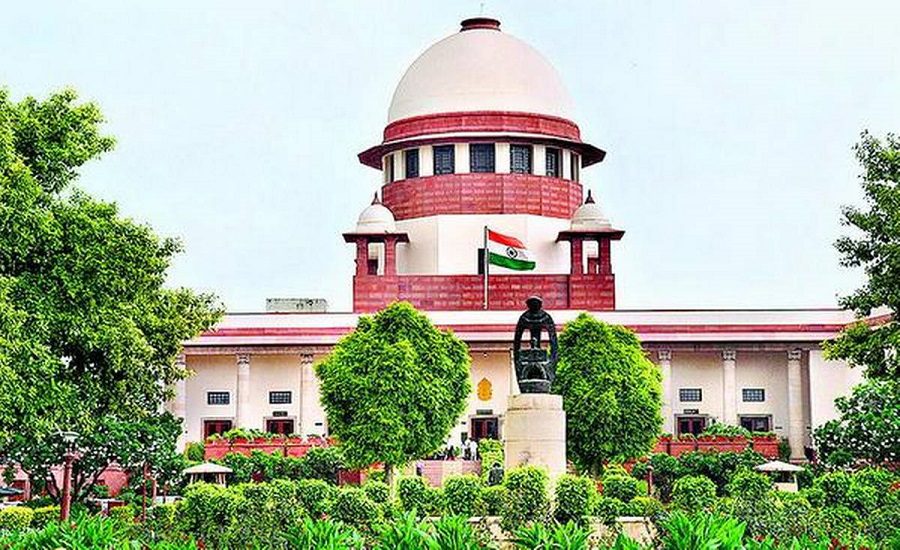
New Delhi: The supreme court held that the Bar Council of India and State Bar Councils cannot take disciplinary action against law students before they are enrolled as advocates. The judgment came in response to the controversy surrounding BCI directions issued against students of NALSAR University of Law, Hyderabad.
NALSAR University Controversy: Supreme Court Clarifies Limits Of BCI Authority
The Supreme Court ruled that disciplinary powers over law students belong to their universities or institutions and not to the Bar Council of India.
Read also: Draft Advocates (Amendment) Bill 2026: Top 5 Changes Proposed by the Bar Council of India
According to the Court, the Advocates Act, 1961 does not grant any express or implied power to the BCI or State Bar Councils to punish or regulate students before they become enrolled advocates.
Court’s Key Observation
The bench observed that Bar Councils gain disciplinary jurisdiction only after a person is enrolled as an advocate. Until then, the responsibility for regulating student conduct remains with the educational institution and authorities empowered under university regulations.
Background Of The NALSAR University Controversy
The case arose after students of NALSAR University of Law protested against the invitation extended to Chief Justice of India Surya Kant for a university event.
Following the controversy, BCI Chairman Manan Kumar Mishra issued directions seeking to block enrolment of the 2026 graduating batch and called for an inquiry into the conduct of students and faculty members.
NALSAR University Controversy: Directions Later Withdrawn
After widespread criticism from the legal community and public backlash, the BCI withdrew the directions. However, students approached the Supreme Court seeking legal clarity and protection from future action.
Supreme Court Declares BCI Directions Illegal
The Court held that the communications issued by the BCI Chairman against NALSAR students were not supported by law.
It declared that the Bar Council had exceeded its authority because disciplinary control over students does not fall within its statutory powers.
Interim Protection Made Permanent
Earlier, the Supreme Court had protected NALSAR students and faculty members from punitive action. With the final judgment, the Court made those protections absolute and disposed of the petition.
NALSAR University Controversy: Petitioners Raised Questions On Accountability
During the hearing, senior counsel appearing for the petitioners argued that even though the BCI had withdrawn its directions, questions remained about how such orders were issued in the first place. The petitioners sought accountability and clarity regarding the decision-making process behind the controversial communications.
Why This Judgment Is Important
The ruling strengthens the rights of law students and protects universities from external disciplinary interference. It confirms that educational institutions remain responsible for handling student conduct matters under their own rules and regulations.
Clear Interpretation Of The Advocates Act
The judgment also provides a clear interpretation of the Advocates Act, 1961. The Court emphasized that the BCI’s role relates to legal education standards and regulation of advocates, not disciplinary control over students who have not yet entered the legal profession.
Read also: BCI Reconstitution, PEARL Trust, AG-SG Role: Key Takeaways From Supreme Court Hearing
FAQs
The case involved BCI directions issued against NALSAR University students following protests related to the university’s convocation and the invitation extended to the Chief Justice of India.
No. The Supreme Court has ruled that the BCI and State Bar Councils do not have statutory power to take disciplinary action against law students before they are enrolled as advocates.
The Supreme Court clarified that disciplinary authority over students rests with their university or institution and the authorities designated under institutional regulations.