New Delhi: Advocates at the Telangana High Court staged a protest on October 13 over alleged disparaging remarks about the judiciary by Rahul Gandhi, Leader of the Opposition in the Lok Sabha. The demonstration followed a march by Gandhi and other INDIA bloc leaders towards the Supreme Court in Delhi on October 12, after which opposition leaders submitted a petition challenging aspects of the Election Commission’s Special Intensive Revision (SIR) of electoral rolls.
The development brings attention to two related issues: the debate over respect for judicial institutions and the legal challenge to the electoral-roll revision process. The Supreme Court proceedings and the response to the advocates’ protest remain important aspects of the wider dispute.
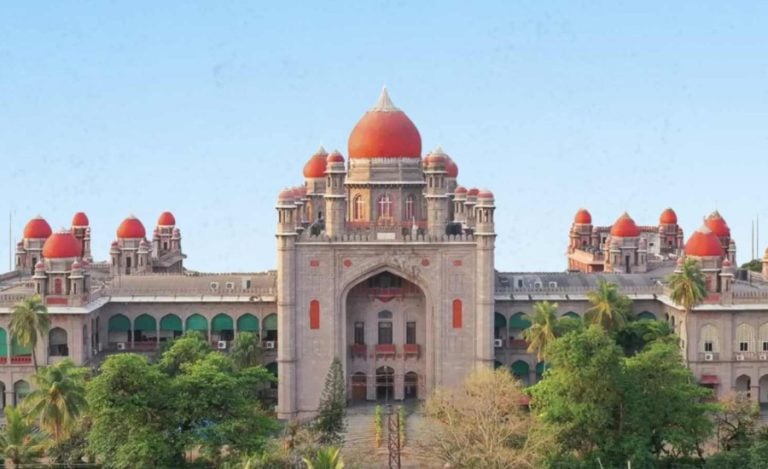
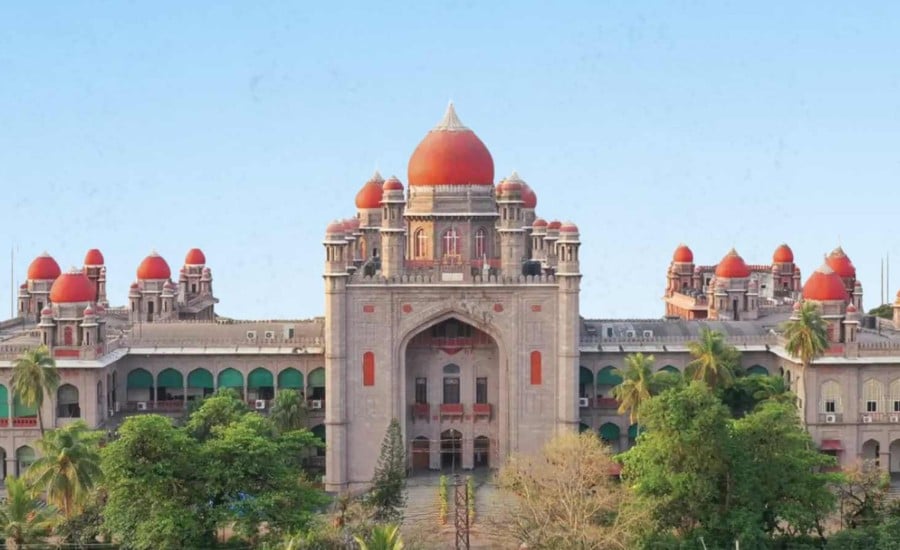
Advocates Hold Protest in Telangana
The protest was organised following Gandhi’s march towards the Supreme Court with other opposition leaders and supporters. The march took place along Barakhamba Road in Delhi.
After the march, opposition leaders approached the Supreme Court with a petition challenging the Election Commission’s decisions relating to the SIR exercise. The process involves the revision of electoral rolls and has become the subject of legal scrutiny.
The Telangana advocates’ protest centred on allegations that Gandhi’s remarks were disparaging towards the judiciary. The demonstration highlighted concerns raised by the participating advocates about the language used in discussions involving judicial institutions.
Also read: Telangana HC Directs Chief Secretary to Relieve IPS Officer A.V. Ranganath from HYDRAA Commissioner Post | Know Him
Advocates Raise Concerns Over Judicial Dignity
Telangana BJP President Ramchander Rao attended the demonstration and called for an apology from Gandhi to the judicial community. He alleged that the march and the accompanying statements could weaken public confidence in the judiciary.
Rao also referred to criticism of other constitutional institutions, including the Election Commission of India and the office of the President. These statements represented his position on the controversy.
The protest has brought renewed attention to the importance of maintaining public confidence in constitutional institutions while allowing disagreements over government processes and legal questions to be addressed through established channels.
Questions Raised Over the Election Commission Petition
The legal challenge at the centre of the dispute concerns the Election Commission’s Special Intensive Revision of electoral rolls. Rahul Gandhi, Congress president Mallikarjun Kharge and other INDIA bloc leaders are among those named as petitioners in the case.
The petition seeks to challenge aspects of the ongoing SIR exercise. Electoral-roll revisions are an important part of election administration because they concern the preparation and updating of voter lists.
The issues raised in the petition are matters for legal consideration. Any conclusions about the legality of the challenged process will depend on the proceedings and decisions of the competent court.
Supreme Court Registry Identifies 14 Procedural Defects
The Supreme Court Registry has reportedly identified 14 procedural defects in the writ petition filed by Gandhi, Kharge and other opposition leaders.
Registry objections relate to procedural requirements that must be addressed for a petition to proceed through the court process. Such objections do not, by themselves, amount to a judicial decision on the merits of the case.
The petition’s progress will depend on the applicable court procedures and the steps taken to address the identified defects.
Constitutional Institutions and Legal Processes
The developments in Telangana and Delhi highlight the role of established legal procedures in resolving disputes involving electoral administration and constitutional institutions.
While advocates have expressed their concerns through a protest, the challenge to the SIR process has been brought before the Supreme Court. These are separate developments: the protest reflects the views of its participants, while the court proceedings concern the legal questions raised in the petition.
The case also draws attention to the distinction between procedural objections and a final judicial determination. The Supreme Court’s handling of the petition will clarify how the legal challenge progresses.
Also read: 70,000 Government Jobs: Karnataka Forms Recruitment Reform Panel Under Ex-Chief Secy S V Ranganath to Ensure Transparent Hiring