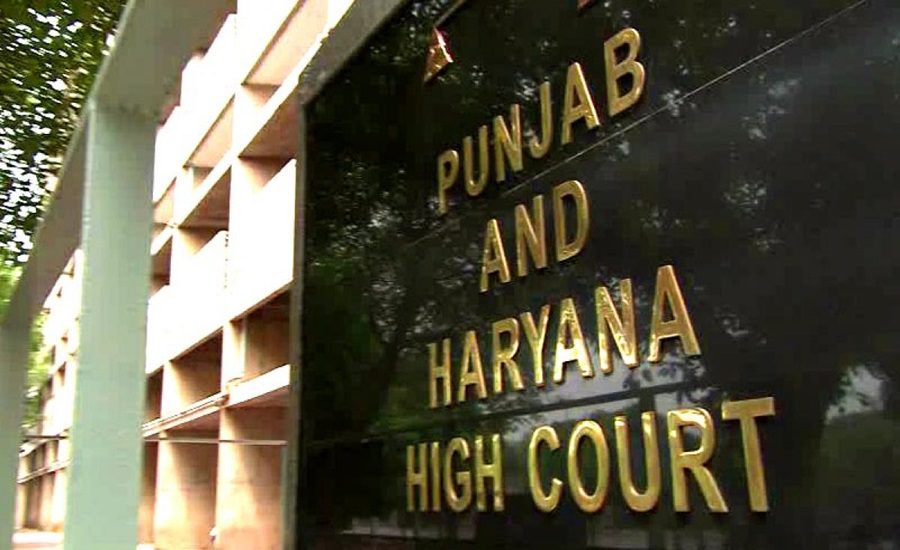
Chandigarh: The Punjab DA case came under sharp scrutiny from the Punjab and Haryana High Court after the State failed to comply with directions related to pending Dearness Allowance (DA) payments. The Court observed that judgments must be challenged through proper legal channels and not through public statements or social media posts.
The remarks came while hearing applications related to the government’s delay in implementing an earlier court order on DA arrears for employees and pensioners.
The case has attracted significant attention because it concerns thousands of government employees and retirees awaiting their pending DA and Dearness Relief (DR) payments.
Punjab And Haryana High Court Questions State Government’s Conduct
A Division Bench comprising Chief Justice Ashwani Kumar Mishra and Justice Rohit Kapoor expressed concern over the Punjab government’s handling of the matter.
The Court noted that the State’s Special Leave Petition (SLP) challenging the earlier judgment remained defective before the Supreme Court registry for more than a month. Despite receiving multiple opportunities, the government had reportedly not cleared the defects required for the appeal to move forward. According to the Bench, this suggested that the State was delaying the process rather than actively pursuing legal remedies.
Background Of The Punjab DA Case
On August 3, the Punjab and Haryana High Court directed the Punjab government to release all pending installments of Dearness Allowance (DA) and Dearness Relief (DR).
The Court ordered that employees and pensioners should receive DA and DR at the same rates applicable to All India Services officers serving in Punjab.
The judgment also restrained the government from spending on certain non-essential publicity and advertising activities until the pending dues were paid. The Punjab government later challenged this order before the Supreme Court.
What Is Dearness Allowance?
Dearness Allowance, commonly known as DA, is a cost-of-living adjustment paid to government employees. Dearness Relief (DR) is a similar benefit provided to pensioners. These payments help offset the impact of inflation and rising living expenses.
Court Says Legal Remedies Must Follow Constitutional Process
During the hearing, the Bench emphasized that every government has the right to challenge a judgment before a higher court. However, it stated that such challenges must follow the constitutional and legal process.
The Court observed that filing an appeal is the proper method to contest a judgment and that public statements or social media messaging cannot replace legal proceedings. The judges stressed that respect for constitutional institutions requires governments to follow established legal procedures.
Punjab DA Case: Court Raises Concerns Over Delay
The Bench questioned why the State had not corrected the defects pointed out by the Supreme Court registry. It also asked for clarification regarding the status of the appeal.
According to the Court, repeated delays created the impression that the government was attempting to gain time instead of addressing the legal issues. The Bench directed its registry to seek information regarding the status of the appeal filed before the Supreme Court.
High Court Defends Rights Of Employees And Pensioners
The Court clarified that the proceedings were not aimed at any political party or government. Instead, the Bench stated that its primary concern was the welfare of retired employees and pensioners who had been waiting for their dues for several years.
The judges emphasized that courts are duty-bound to protect the rights of citizens and ensure compliance with judicial orders.
Read also: No More Indefinite Ad Hoc Arrangement: Punjab HC Directs State to Appoint Regular DGP
FAQs
The case concerns pending Dearness Allowance (DA) and Dearness Relief (DR) payments to Punjab government employees and pensioners.
The Court criticized the government for not clearing defects in its Supreme Court appeal and observed that judgments must be challenged through proper legal procedures rather than public statements or social media.
The High Court directed the Punjab government to release pending DA and DR dues to employees and pensioners and later questioned delays in the government’s challenge to that order.