Chandigarh: The Punjab and Haryana High Court has directed the Punjab government to take an appropriate and expeditious decision on appointing a regular Director General of Police (DGP), observing that an ad hoc arrangement for such a critical post should not continue indefinitely.
A Division Bench comprising Chief Justice Ashwani Kumar Mishra and Justice Rohit Kapoor passed the direction while hearing a Public Interest Litigation (PIL) filed by advocate Nikhil Thamman. The court has also asked the Punjab government to inform it about the decision taken on the appointment through an affidavit filed by the Chief Secretary by the next date of hearing, October 13, 2026.
The court’s intervention comes after Punjab continued to function without a regular police chief for more than four years, with the DGP post being handled under an additional-charge arrangement since 2022.
High Court Questions Indefinite DGP Arrangement
The High Court observed that the appointment of a DGP is important for maintaining law and order in the state. It made clear that while an interim or ad hoc arrangement may be made when necessary, such an arrangement should not continue for an indefinite period.
The court therefore directed the state government to take an appropriate decision on the appointment of a regular DGP and place the decision before the court.
The direction followed submissions concerning the prolonged additional-charge arrangement under which the state police has been functioning. The PIL raised concerns about the institutional position of an officer who heads the police force without the assured tenure associated with a regular appointment.
Gaurav Yadav Has Held Additional Charge Since 2022
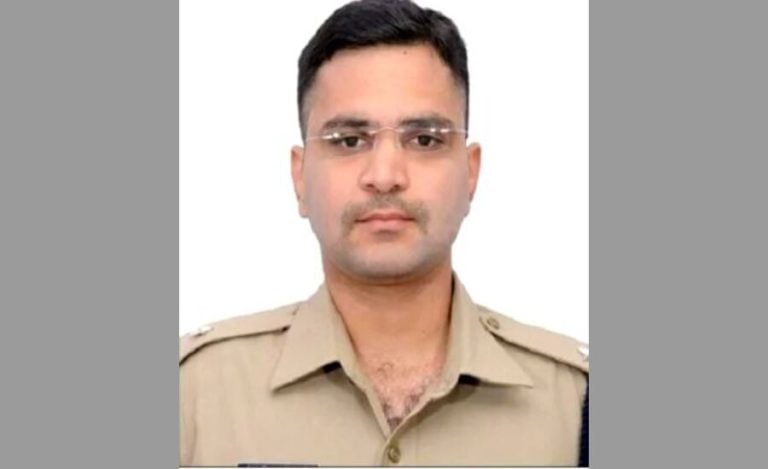
The petition referred to the appointment of IPS officer Gaurav Yadav as DGP on an additional-charge basis in 2022.
According to the details reported from the proceedings, an order dated July 4, 2022 gave Yadav additional charge of the DGP post. A subsequent order dated September 2, 2022 continued the arrangement “till further orders”.
Yadav, a 1992-batch IPS officer, has therefore continued to head the Punjab Police under the additional-charge arrangement for several years rather than through a regular DGP appointment.
The petitioner argued that such a prolonged arrangement raises institutional concerns because the head of the police force does not have the same assured tenure and institutional security contemplated for a regularly appointed DGP.
UPSC Has Already Recommended a Panel of Three Officers
One of the key issues before the High Court was the status of the selection process.
During the hearing, the petitioner’s counsel informed the court that the Union Public Service Commission (UPSC) had already completed the empanelment process and recommended a panel of three eligible officers for consideration for the post of Punjab DGP.
The panel was forwarded to the Punjab government in the first week of July 2026. The High Court specifically questioned why a final decision had not been taken even though the state had received the panel several months earlier.
Reports from June 2026 had identified the three officers shortlisted by the UPSC as Gaurav Yadav, Sharad Satya Chauhan and Harpreet Singh Sidhu, all from the 1992 batch.
The UPSC panel itself does not amount to the appointment of a DGP. The state government has to take the final decision in accordance with the applicable selection process and Supreme Court directions.
Punjab Government Says Panel Is Under Consideration
Representing the Punjab government, the state counsel informed the High Court that the panel recommended by the UPSC is under active consideration and that necessary steps are being taken.
The government also referred to the broader issue of DGP appointments being monitored by the Supreme Court in connection with the landmark Prakash Singh case.
The Supreme Court’s directions in the Prakash Singh matter have laid down safeguards concerning the selection and tenure of state police chiefs, including the role of the UPSC in preparing a panel of eligible officers for consideration by the state government.
Chief Secretary Asked to File Compliance Affidavit
The High Court has now sought a clear update from the Punjab government.
The Chief Secretary has been directed to file an affidavit informing the court about the decision taken on the appointment of the regular DGP by the next hearing on October 13, 2026. The court’s direction puts the status of the appointment process directly before the judiciary for the next hearing.
The court’s order does not itself appoint a particular officer as DGP. Instead, it directs the Punjab government to take an appropriate decision and report the outcome.
Why the Regular DGP Appointment Matters
The DGP is the head of the state police force and plays a central role in policing, law and order and coordination across the state.
The High Court’s observations underline the importance of stable leadership at the top of the police organisation. A regular appointment also provides a formal institutional framework for the police chief’s tenure, rather than leaving the post under an additional-charge arrangement for an extended period.
For Punjab, the immediate issue is now the government’s decision on the UPSC-recommended panel and its compliance with the High Court’s direction before the October 13 hearing.
The proceedings also bring renewed attention to the implementation of the Supreme Court’s police-reform directions, particularly the process for appointing and securing the tenure of state police chiefs.
Read Also: DA Dues Unpaid? Punjab Chief Secretary Asked to Appear Before High Court