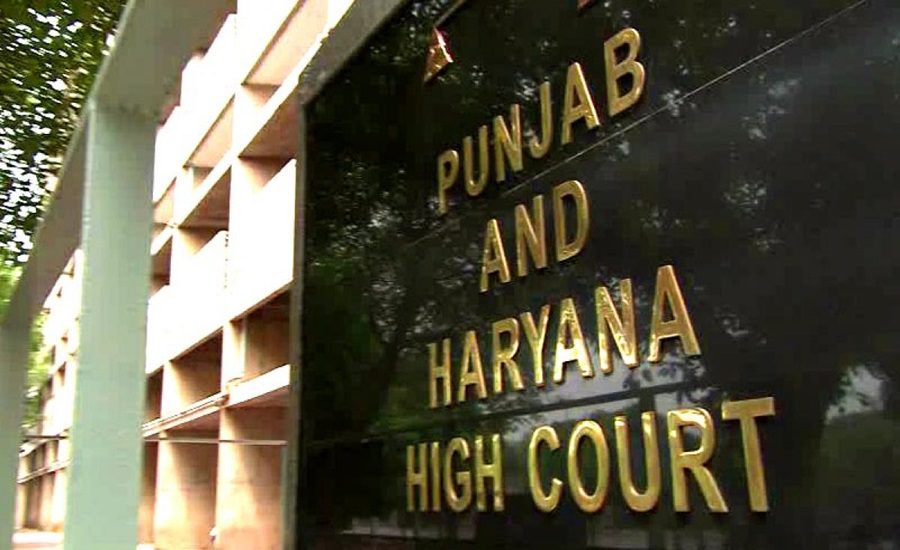
Chandigarh: The Punjab and Haryana High Court expressed serious concern over the repeated absence of police witnesses in narcotics trials. The Court observed that such non-cooperation is delaying justice and affecting the constitutional right of accused persons to a speedy trial. As a result, the Court has summoned the Director General of Police (Law and Order) to explain the situation.
The observations came during the hearing of an NDPS case where the trial was repeatedly delayed because official witnesses failed to appear before the trial court despite court-issued warrants.
Punjab NDPS Trials Delay Issue: Court Criticises Repeated Non-Appearance Of Police Witnesses
Justice Sumeet Goel noted that official witnesses in NDPS cases are usually police personnel. According to the Court, many police witnesses consistently fail to appear before trial courts to record their statements despite the issuance of bailable and even non-bailable warrants.
Read also: Article 222 and Collegium System: Government Details How High Court Judges Are Transferred
The Court also highlighted instances where warrants remained unexecuted for long periods, leading to repeated adjournments and unnecessary delays in criminal trials.
Punjab NDPS Trials Delay Issue: Court Calls The Situation A Serious Systemic Failure
The High Court described the situation as a disturbing lapse in the prosecution system. The Court observed that delays caused by absent witnesses not only affect the accused but also weaken public confidence in the criminal justice system.
The Court stressed that every accused person is entitled to a speedy trial under Article 21 of the Constitution of India, and unnecessary delays violate that constitutional protection.
High Court Summons Director General Of Police
To address the issue, the Punjab and Haryana High Court directed the Director General of Police Gaurav Yadav to personally appear before the Court.
The top police officer has been asked to explain why police personnel serving as prosecution witnesses are repeatedly failing to attend court proceedings despite legal summons and warrants. The Court wants accountability and effective measures to ensure witness attendance in future NDPS trials.
Impact On NDPS Cases
The Narcotic Drugs and Psychotropic Substances (NDPS) Act is one of India’s most stringent laws dealing with drug-related offences. Because NDPS cases often involve severe punishments and strict bail conditions, timely completion of trials is considered extremely important. Delays can leave accused persons waiting for justice for extended periods.
Punjab NDPS Trials Delay Issue: Why Witness Attendance Is Important
Police officials often play a key role as prosecution witnesses in NDPS cases. Their testimony helps establish facts related to seizure, investigation, arrest procedures, and evidence collection. If these witnesses do not appear, trials can remain stalled for months or even years. The Court emphasized that such conduct adversely affects both the prosecution and the overall justice delivery system.
Growing Focus On Judicial Efficiency
Indian courts have repeatedly expressed concern about case pendency and trial delays. The latest order reflects the judiciary’s efforts to ensure that criminal cases move forward without avoidable interruptions caused by administrative failures.
Legal experts believe that stronger coordination between courts and law enforcement agencies can help reduce delays and improve the effectiveness of criminal trials.
FAQs
Their absence delays evidence recording, causes repeated adjournments, and slows down the completion of criminal trials.
The Court summoned the DGP after repeatedly finding that police witnesses were not appearing in NDPS trials despite warrants being issued against them.
The Court stated that unnecessary delays violate the accused person’s right to a speedy trial guaranteed under Article 21 of the Constitution.