4 November 2026
ADVERTISEMENT
ADVERTISEMENT

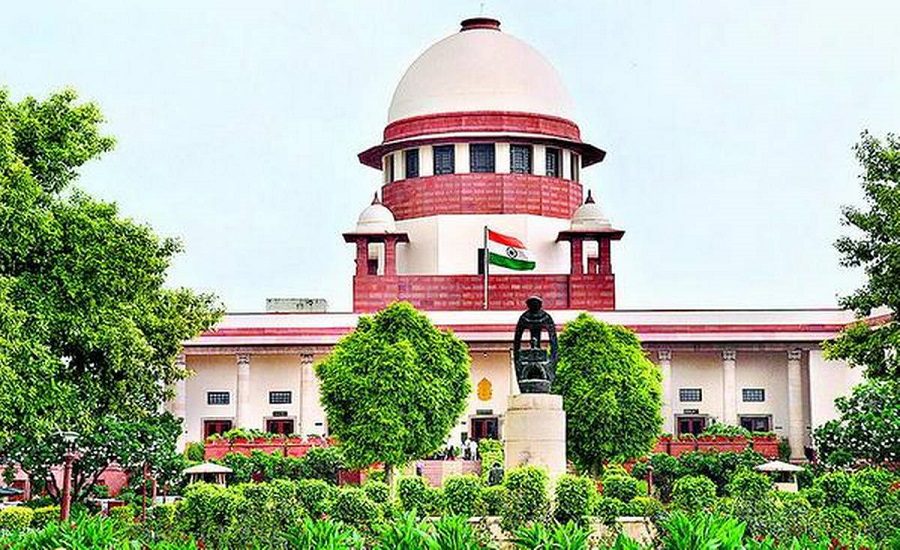
Article 222 and Collegium System: Government Details How High Court Judges Are Transferred

The Centre explains the constitutional process for transfer and appointment of High Court judges under Article 222 and the Memorandum of Procedure in a written reply in Lok Sabha.
Firecracker Pollution
Indian Masterminds Stories

The Central Government has outlined the constitutional and procedural framework governing the transfer and appointment of judges in the higher judiciary, reiterating that all transfers of High Court judges are carried out in public interest and in accordance with the Constitution and the Memorandum of Procedure (MoP). The details were shared by Union Minister of Law and Justice Arjun Ram Meghwal in a written reply to the Lok Sabha.

Article 222 of the Constitution of India stipulates that the President may, after consultation with the Chief Justice of India, transfer a Judge from one High Court to any other High Court. As per the Memorandum of Procedure (MoP) for appointment and transfer of High Court Judges, the proposal for transfer of High Court Judges is initiated by the Chief Justice of India in consultation with four senior-most puisne Judges of the Supreme Court.

The MoP further provides that the Chief Justice of India is also expected to take into account the views of the Chief Justice of High Court from which the Judge is to be transferred, as also the Chief Justice of the High Court to which the transfer is to be effected, besides taking into account the views of one or more Supreme Court Judges who are in position to offer views.

The personal factors relating to the concerned judge, including the Chief Justice, and his response to the proposal, including his preference of places, should invariably be taken into account by the Chief Justice of India and the first four puisne Judges of the Supreme Court before arriving at a conclusion on the proposal. All transfers are to be made in public interest, that is, for promoting better administration of justice throughout the country. No timeline has been prescribed in the MoP for transfer of judges from one High Court to another.

Appointment of Judges to the Supreme Court and High Courts is made under Articles 124, 217 and 224 of the Constitution of India and according to the procedure laid down in the Memorandum of Procedure (MoP) prepared in 1998 pursuant to the Supreme Court Judgment of October 6, 1993 (Second Judges case) read with the Advisory Opinion of October 28, 1998 (Third Judges case).

As per the MoP, the responsibility for initiation of proposals for appointment of Judges in the Supreme Court vests with the Chief Justice of India, while the responsibility for initiation of proposals for appointment of Judges in the High Courts vests with the Chief Justice of the concerned High Court, in consultation with two senior-most puisne Judges of the High Court.

As per the MoP, the High Courts are required to make recommendations at least six months before the occurrence of a vacancy. For appointments to the High Courts, the views of the concerned State Government are obtained in accordance with the MoP. The recommendations also have to be considered in the light of such other reports as may be available to the Government in respect of the names under consideration. The recommendations of the High Court Collegium, the State Governments and the Government of India are then forwarded to the Supreme Court Collegium (SCC) for advice.

Appointment of judges in the higher judiciary is a continuous, integrated and collaborative process between the executive and the judiciary. It requires consultation and approval from various constitutional authorities at both the State and Central levels. Only those persons whose names have been recommended by the Supreme Court Collegium are appointed as Judges of the High Courts.

This information was given by the Union Minister of Law and Justice, Shri Arjun Ram Meghwal, in a written reply to the Lok Sabha.

Indian Masterminds Stories
Join our WhatsApp Channel
ADVERTISEMENT
ADVERTISEMENT
Related Stories
ADVERTISEMENT
ADVERTISEMENT
NEWS
O&M Agreement
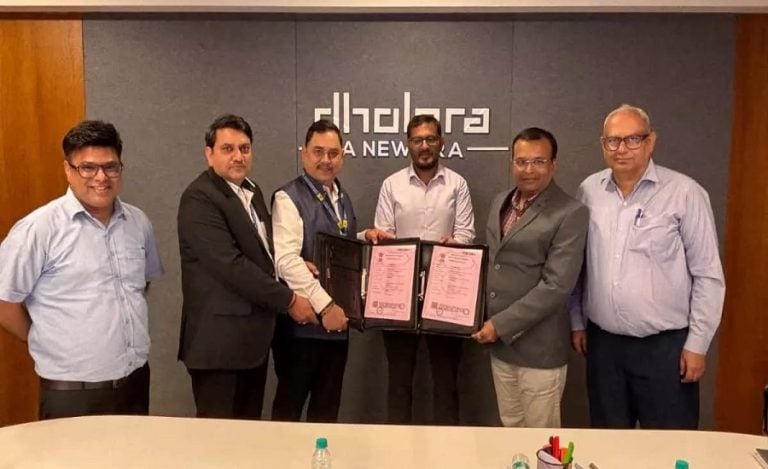
AAI Signs O&M Agreement with DIACL for Upcoming Dholera Greenfield Airport in Gujarat 
WCL 5-Star Mine Rating Awards
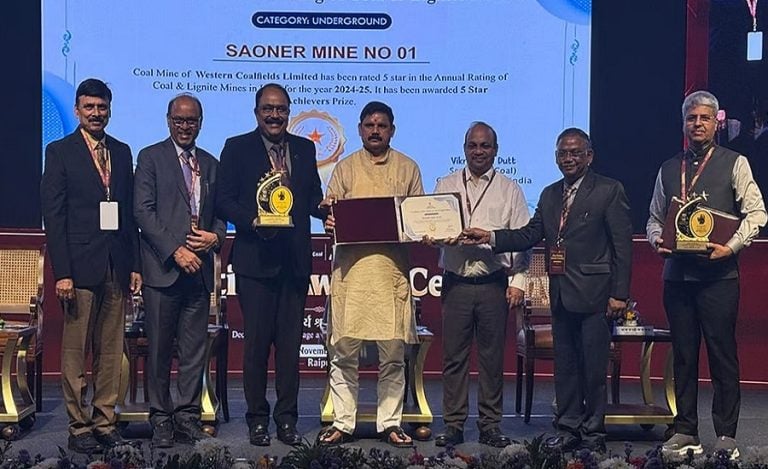
WCL Leads Coal Companies in 5-Star Mine Ratings, Seven Mines Receive National Recognition
Mahanagar Gas Limited MGL
Mahanagar Gas Q2 FY27 Results: Revenue Jumps 23% to Rs 2,776 Crore, Net Profit Declines to Rs 137 Crore
V Umashankar Haryana
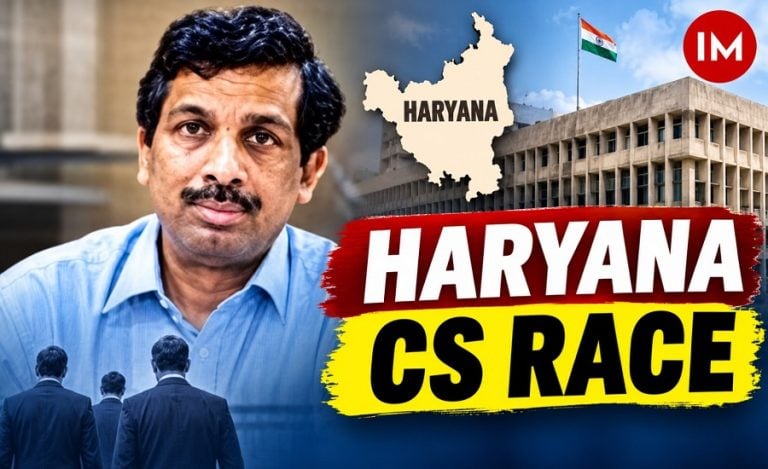
Haryana Chief Secretary Race Heats Up: Who Is IAS V. Umashankar, Likely to Succeed Anurag Rastogi?
UNFCCC COP31
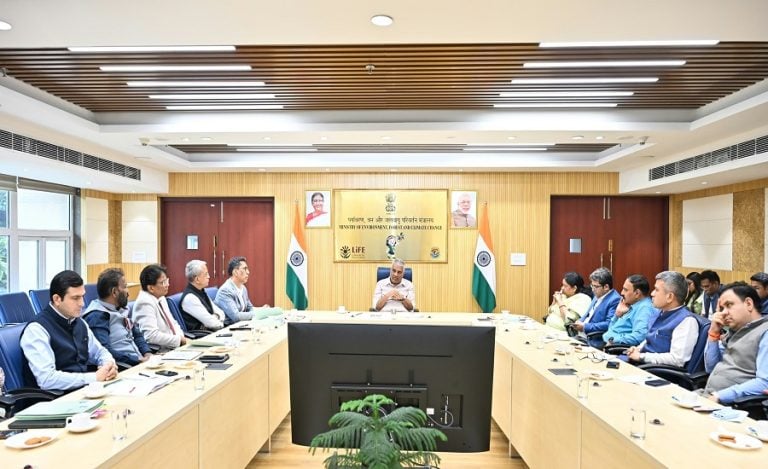
UNFCCC COP31: India to Push for Equitable Climate Action in Türkiye, Bhupender Yadav Announces Key Priorities 
Bihar EOU
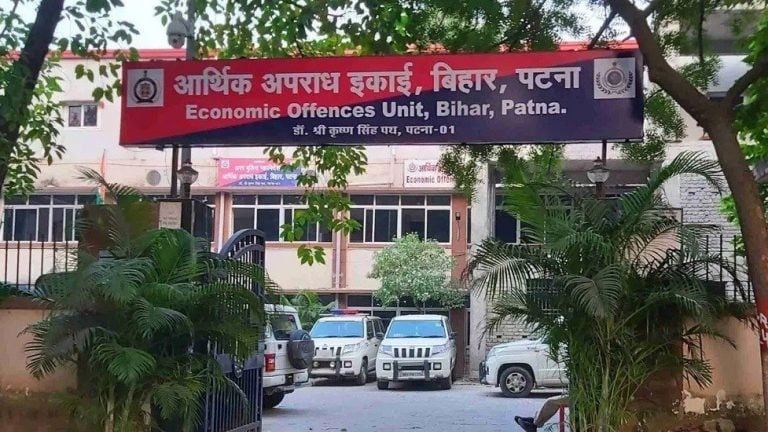
Bihar EOU Raids Ruby Kumari in Disproportionate Assets Case; Properties Worth ₹2.45 Crore Detected 
Bihar State Games 2026
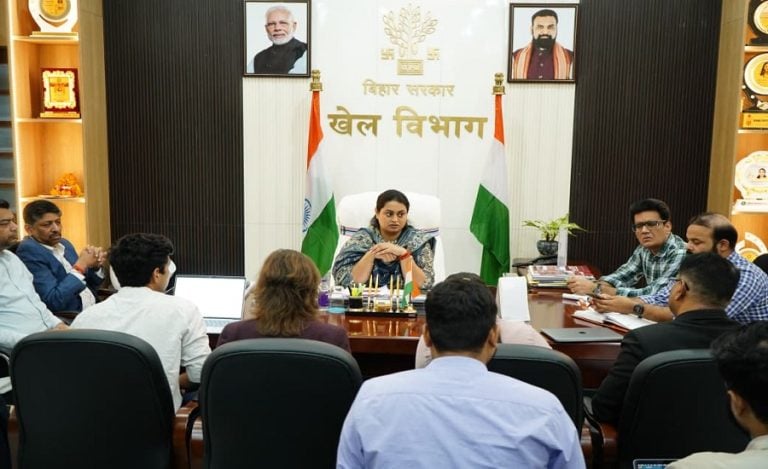
Bihar State Games 2026 to Be Held in First Week of December; Over 20 Sports Disciplines to Feature
Rajesh Kumar Arunachal Pradesh
Who Is Rajesh Kumar? 1995-Batch IPS Officer Likely to Become Arunachal Pradesh DGP
ADVERTISEMENT
ADVERTISEMENT
Videos
Five years after Kargil, India sent its cricketing heroes to Pakistan where terrorism posed a deadly threat. The man guarding them, former Special Director of Intelligence Bureau, Mr. Yashovardhan Azad, reveals what all went behind the scenes during that crucial tour. 
Trust No One, Said His Instinct in Pakistan
Gajendra Singh Shekhawat
How India Plans to Boost Tourism, Create Jobs and Ease Overcrowding : Gajendra Singh Shekhawat on the Road to 2047
Dr Saket Badola IFS
Beyond Tigers and Safaris: How Corbett Literature Festival Wants to Change the Conservation Conversation
ADVERTISEMENT
UPSC Stories
IDAS Himanshu Tembhekar
Should UPSC Aspirants Give Up Their Hobbies? IDAS Officer Himanshu Tembhekar Explains
Should UPSC aspirants give up their hobbies? IDAS officer Himanshu Tembhekar explains how hobbies help...
UPSC Story
He Taught Students to Meet Expenses. Today, Sachin Bhadouria is a Scientist ‘B’ at CWPRS
Sachin Bhadouria overcame financial challenges and a Hindi-medium background to secure AIR 2 in a UPSC...
Vishwas Jhargad UPSC CAPF
A Photograph of His Mother Accompanied Vishwas Jhargad to the UPSC Interview, Where His Dream Came Closer
Vishwas Vijay Jhargad lost both parents as a child. With his family's support, he secured AIR 145 in...
CSR NEWS
HUDCO Perpetual Tier I Bond Issue
HUDCO Launches Cleanliness and Green Initiatives Across India Under Special Campaign 6.0
From planting over 100 saplings at the Institution for the Blind in Delhi to organising cleanliness drives...
Petronet LNG public health award
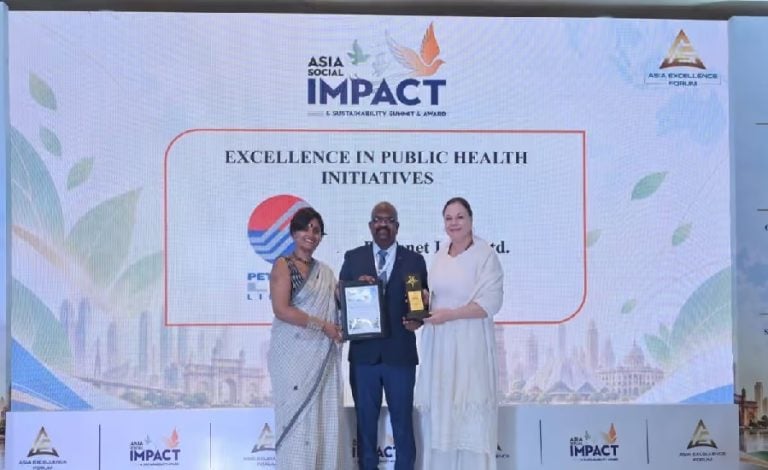
Petronet LNG Wins ‘Excellence in Public Health Initiatives’ Award at Asia Social Impact & Sustainability Awards 2026 
The recognition, presented in Mumbai on October 28, highlights the company’s commitment to public health,...
CMPDIL Unnat Krishi Project
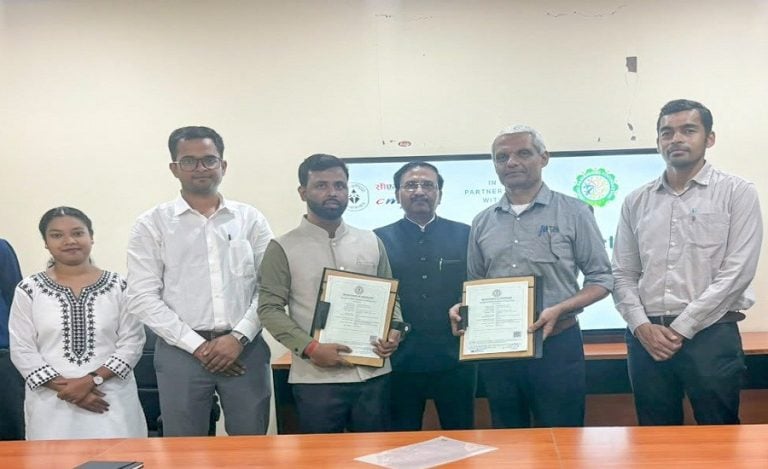
CMPDIL Signs MoA with Nidhi Samriddhi Foundation to Promote Climate-Resilient Agriculture in Jharkhand
Unnat Krishi Project to introduce ICT and IoT-enabled precision farming for around 100 farmers across...
ADVERTISEMENT
ADVERTISEMENT
ADVERTISEMENT
Latest
O&M Agreement
AAI Signs O&M Agreement with DIACL for Upcoming Dholera Greenfield Airport in Gujarat 
WCL 5-Star Mine Rating Awards
WCL Leads Coal Companies in 5-Star Mine Ratings, Seven Mines Receive National Recognition
ADVERTISEMENT
ADVERTISEMENT
ADVERTISEMENT
ADVERTISEMENT
ADVERTISEMENT
ADVERTISEMENT
ADVERTISEMENT
Videos
Five years after Kargil, India sent its cricketing heroes to Pakistan where terrorism posed a deadly threat. The man guarding them, former Special Director of Intelligence Bureau, Mr. Yashovardhan Azad, reveals what all went behind the scenes during that crucial tour. 
Gajendra Singh Shekhawat
Dr Saket Badola IFS
ADVERTISEMENT
ADVERTISEMENT