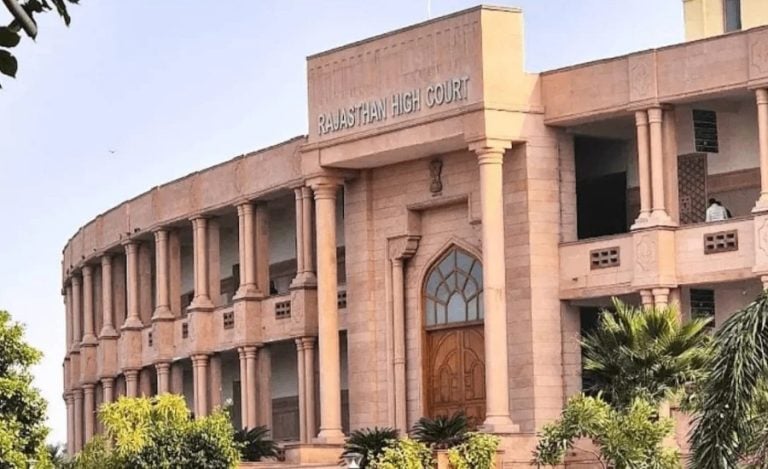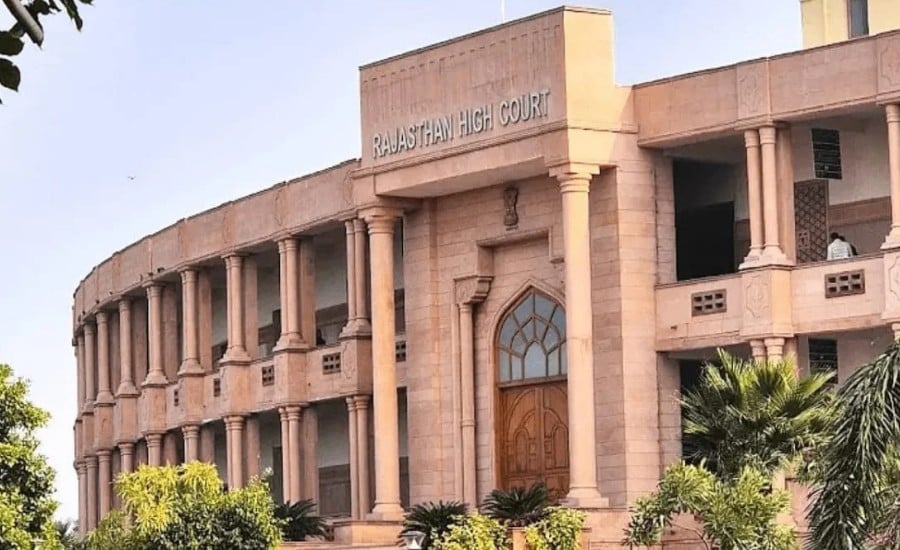
Jaipur: The Rajasthan High Court Bar Association elections have seen a major legal development after the Rajasthan High Court restored additional eligibility conditions for advocates seeking voting rights.
The Court has ruled that members must provide proof of either two court appearances or two vakalatnamas to establish their active legal practice. The decision aims to ensure that the voting process represents advocates who are genuinely engaged in legal practice before the Jaipur Bench.
Rajasthan High Court Bar Association Election: Rajasthan High Court Restores Additional Voting Conditions
The dispute relates to the upcoming elections of the Rajasthan High Court Bar Association, Jaipur.
Read also: Why Hundreds Of Rajasthan High Court Lawyers Have Gone On Strike Against Acting Chief Justice
Earlier, the Election Committee introduced two additional conditions for advocates seeking to vote in the elections. Under these conditions, members were required to provide either:
- Order sheets showing at least two appearances before the Jaipur Bench of the Rajasthan High Court.
- Copies of two vakalatnamas filed in court cases.
These documents were intended to establish that the members were actively practising before the Court..However, the Election Committee later withdrew these requirements through a notice issued on November 17, 2026.
This decision led to a legal challenge by a senior member of the Bar Association, who questioned the withdrawal of the additional eligibility conditions.
Why Did The Rajasthan High Court Bar Association Election Matter Reach The Rajasthan High Court
The petitioner raised concerns about maintaining professional standards within the Bar Association and improving its election process.
The main issue was whether the Election Committee could introduce additional conditions to verify the professional engagement of advocates before allowing them to vote.
The petitioner argued in favour of restoring the original conditions introduced by the Election Committee.
The matter required the Court to examine the powers of an election committee and the difference between membership of a Bar Association and eligibility to participate in its elections.
What Did The Rajasthan High Court Say
The Rajasthan High Court held that the additional conditions were reasonable and provided an objective way to verify whether advocates were actively practising before the Court.
The Court observed that an Election Committee responsible for conducting free and fair elections could introduce reasonable measures to verify the eligibility of voters.
It also clarified that the Election Committee could not amend or override the existing bye-laws of the Bar Association. However, reasonable verification requirements that do not conflict with the bye-laws cannot automatically be treated as amendments to those rules.
The Court explained that existing eligibility conditions under the bye-laws should be treated as minimum requirements.
The Election Committee could introduce additional reasonable measures to ensure that only genuinely active members participate in the electoral process.
Rajasthan High Court Bar Association Election: Membership And Voting Rights Are Different, Says Court
One of the important observations made by the Rajasthan High Court was that membership of a Bar Association and eligibility to vote in its elections are two different matters.
An advocate may continue to remain a member of the Bar Association but may be required to satisfy reasonable conditions before exercising voting rights.
The Court explained that a Bar Association represents the collective interests and professional concerns of advocates. Therefore, its election process should reflect the participation of members who have an actual and continuing professional connection with the Court.
The Court also clarified that the two-document requirement was not intended to judge an advocate’s professional ability or reputation.
Its purpose was only to verify whether the member had remained professionally connected with the Court during the relevant period.
Why Did The Court Consider The Two-Document Rule Reasonable
The Court considered the additional conditions reasonable because they offered two alternative ways to establish professional engagement. An advocate could submit either two vakalatnamas or order sheets showing two court appearances.
The Court observed that these requirements were not excessive or unnecessarily difficult.
It also noted that the documents provided an objective and verifiable method of checking professional activity.
According to the Court, such conditions had a reasonable connection with the purpose and functioning of a Court-attached Bar Association.
Rajasthan High Court Allows The Petition
After examining the matter, the Rajasthan High Court allowed the petition and upheld the additional eligibility conditions introduced by the Election Committee.
As a result, the Election Committee’s November 17 notice withdrawing these requirements was set aside, and the earlier notices introducing the conditions were restored.
The Court also provided additional time for advocates to submit the required affidavits with supporting documents.
The reported revised timeline allows submission of affidavits until 5 PM on November 23, 2026. A fresh list is scheduled to follow on November 24, 2026.
The remaining election schedule is to continue as planned.
FAQs
Yes. The Rajasthan High Court held that an Election Committee can introduce reasonable and objectively verifiable conditions to check voters’ professional engagement, provided they do not conflict with the existing bye-laws or operate arbitrarily.
The Rajasthan High Court restored the requirement for advocates to submit either two vakalatnamas or order sheets showing at least two court appearances to establish their professional engagement before voting.
No. The Rajasthan High Court clarified that membership and eligibility to vote are different concepts. A member may continue to hold membership but must satisfy reasonable election-related eligibility conditions to participate in voting.