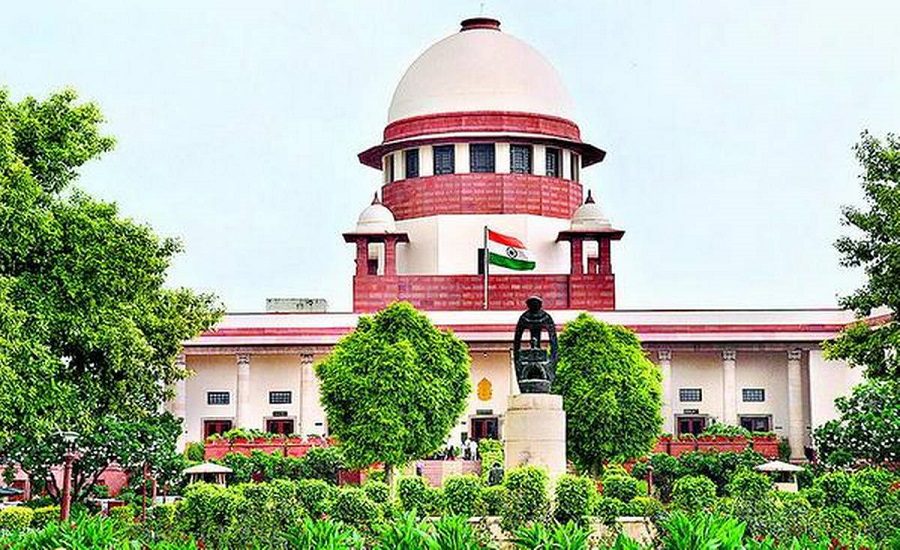
New Delhi: The Supreme Court of India has closed petitions seeking a Central Bureau of Investigation (CBI) probe into alleged donation theft at Ayodhya’s Ram Mandir. The decision came after the Uttar Pradesh government informed the Court that the Special Investigation Team (SIT) had completed its investigation and filed a chargesheet against eight accused persons.
The alleged financial irregularities reportedly took place during the counting of donations at the temple’s Pilgrim Facilitation Centre.
Why Did The Supreme Court Close The Ram Mandir Donation Theft Cases
The Supreme Court was hearing petitions that demanded an independent investigation into alleged irregularities involving donations received by the Shri Ram Janmabhoomi Teerth Kshetra Trust.
Read also: Who Can Investigate Corruption Cases Against Central Officers? Supreme Court Explains the Law
The petitioners had requested a CBI investigation and a detailed audit of the Trust’s finances. They wanted the allegations of missing donations and financial misconduct to be investigated under court supervision. However, the Uttar Pradesh government informed the Supreme Court that the SIT had substantially completed its investigation and filed a chargesheet in the case.
After considering this development, the Court disposed of the petitions and allowed the petitioners to assist the concerned Judicial Magistrate.
Ram Mandir Donation Theft: What Did The Uttar Pradesh SIT Investigation Find
According to the investigation report presented before the Court, the SIT identified 105 instances of alleged unauthorised removal or concealment of currency from the donation-counting room.
The room was located inside the Pilgrim Facilitation Centre (PFC) building within the Ram Mandir premises.
The investigation also identified eight accused persons. Their bank accounts, financial transactions, and movable and immovable properties were examined.
The authorities reportedly investigated assets that were allegedly purchased using misappropriated money.
Ram Mandir Donation Theft: Chargesheet Filed Against Eight Accused Persons
The Uttar Pradesh SIT filed a chargesheet against all eight accused persons before a court in Ayodhya on September 23, 2026.
During the Supreme Court hearing, Solicitor General Tushar Mehta informed the Bench about the investigation’s progress and the filing of the chargesheet.
He stated that the alleged theft had taken place during the donation-counting process. The State also informed the Court that the investigation had examined financial transactions and property-related records connected with the allegations.
Supreme Court Allows Petitioners To Assist The Judicial Magistrate
A Bench comprising Chief Justice of India Surya Kant, Justice Joymalya Bagchi and Justice V. Mohana heard the connected matters.
The Court decided that the concerned Judicial Magistrate should proceed with the case according to law.
It also allowed the petitioners to assist the Magistrate, similar to the legal assistance that a crime victim can provide during proceedings.
The Court clarified that it had not expressed any opinion on the merits of the allegations. This means the Supreme Court did not decide whether the accused persons were guilty or innocent.
What Did The Solicitor General Tell The Supreme Court
During the hearing, Solicitor General Tushar Mehta explained that the alleged misappropriation had happened at the donation-counting stage.
He also told the Court that some accused persons had allegedly invested the money in other places, including property.
According to his submissions, certain bank deposits appeared to have been made retrospectively, leading investigators to examine the relevant bank accounts.
He also referred to a property transaction in which a sale deed reportedly showed a value of Rs. 15 lakh, while the actual property value was stated to be around Rs. 50 lakh. The remaining amount was allegedly paid in cash and was linked to the misappropriation under investigation.
Supreme Court Raises Questions About Temple Donation Security
During the hearing, the Chief Justice also expressed concern about preventing similar incidents in the future. The Solicitor General assured the Court that certain measures had been taken.
The State further informed the Bench that an audit had been conducted and that the relevant artefacts and chhadavas were found intact.
The Court’s observations highlighted the importance of proper financial controls, transparency and security in handling religious donations.
Background Of The Ram Mandir Donation Theft Case
The Supreme Court had earlier issued notices to the Union Government, Uttar Pradesh Government and Shri Ram Janmabhoomi Teerth Kshetra Trust.
The petitions sought an independent and court-monitored investigation into alleged irregularities involving donations and offerings received by the Trust.
On July 27, 2026, the Supreme Court took note of the constitution of an SIT and directed that a forensic auditor should be associated with the investigation.
Later, on September 21, 2026, the Court permitted the petitioners and other interested persons to submit suggestions concerning the investigation for consideration by the competent trial court. The Uttar Pradesh government subsequently informed the Court that the investigation had substantially progressed and that the chargesheet had been filed.
Read also: Supreme Court Questions Arunachal Govt’s Cooperation in CBI Probe, Summons Top Bureaucrats
FAQs
The Uttar Pradesh SIT filed a chargesheet against eight accused persons before a court in Ayodhya on September 23, 2026.
The Supreme Court disposed of the petitions seeking a CBI probe after the Uttar Pradesh government informed it that the SIT had investigated the allegations and filed a chargesheet against eight accused persons.
No. The Supreme Court did not decide the guilt or innocence of the accused. It clarified that it had not expressed any opinion on the merits of the allegations, and the case will proceed before the concerned Judicial Magistrate.