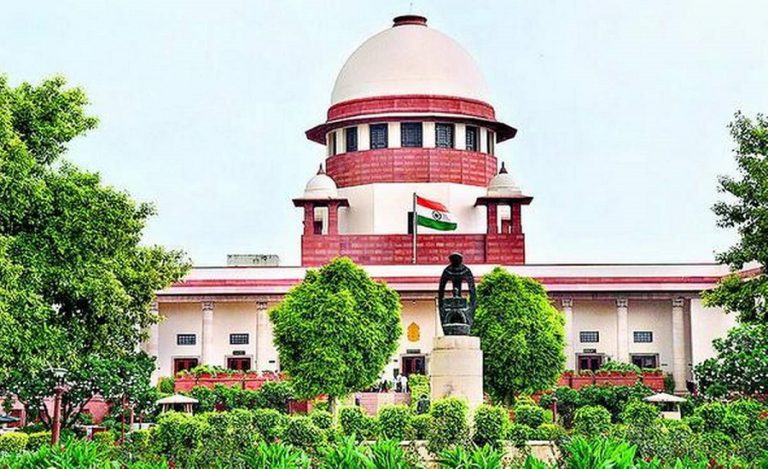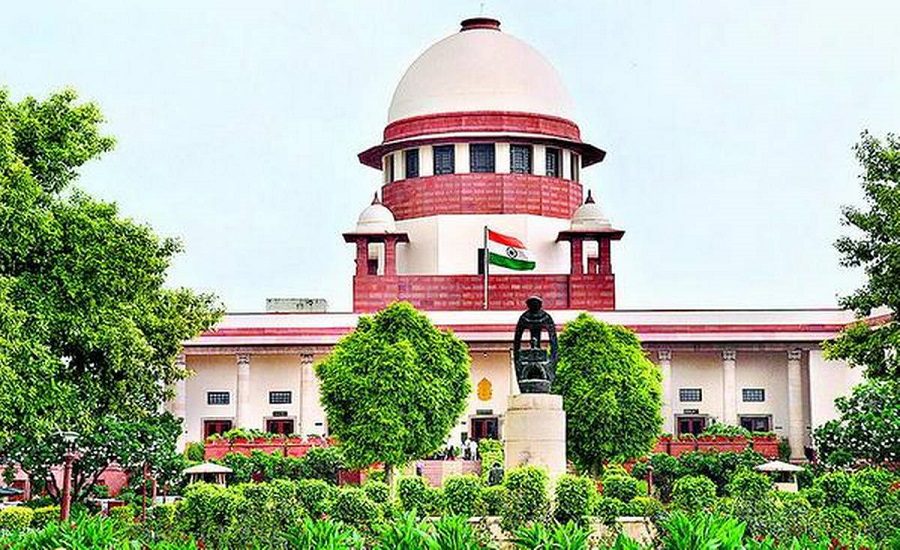
New Delhi: The Cauvery water dispute has taken a fresh turn after the Supreme Court dismissed two applications filed by Tamil Nadu seeking the release of an additional 11 TMC of Cauvery river water from Karnataka. A bench of Justices Vikram Nath and Aparesh Singh passed the order on November 20, 2026.
Tamil Nadu had approached the top court, claiming that Karnataka had failed to release its due share of river water. The State argued that the shortage was affecting irrigation and creating difficulties for farmers.
What Did The Supreme Court Decide in Cauvery Water Dispute
The Supreme Court dismissed two applications filed by the Tamil Nadu government seeking directions to Karnataka to release around 11 TMC of additional Cauvery water.
Read also: Madras HC Declares Tamil Nadu Mineral Transport Rule Unconstitutional
The applications were filed in the ongoing Cauvery water-sharing dispute between the two neighbouring States.
During the hearing, Justice Vikram Nath also noted that Tamil Nadu had filed another application on the same day. He orally indicated that the fresh application would also be dismissed. However, the dismissal of the two applications is the main decision reported in the proceedings.
Why Did Tamil Nadu Approach The Supreme Court
Tamil Nadu claimed that it had not received its proper share of Cauvery river water from Karnataka.
According to the State, there was a shortage of approximately 11.719 TMC of water at Biligundlu up to October 6, 2026.
Biligundlu is an important measuring point located near the Karnataka-Tamil Nadu border. Water flow at this point is used to monitor the movement of Cauvery water between the two States.
Tamil Nadu argued that Karnataka had enough water in its reservoirs but was not releasing the additional quantity required to cover the shortage.
The State also claimed that the shortage was creating serious problems for agricultural activities and farmers.
Cauvery Water Dispute: What Was Tamil Nadu’s Argument
Tamil Nadu asked the Supreme Court to direct Karnataka to release the outstanding water according to the existing water-sharing arrangement.
The State argued that Karnataka should make up for the shortage even during a year of reduced rainfall.
Tamil Nadu also questioned the decisions of the Cauvery Water Management Authority (CWMA) and the Cauvery Water Regulation Committee (CWRC).
It argued that these bodies had directed Karnataka to release water but had not properly addressed the accumulated shortage.
The State maintained that the water released under earlier directions was not enough to cover its total requirement.
Cauvery Water Dispute: What Was Karnataka’s Response
Karnataka opposed Tamil Nadu’s demand for additional water. It argued that several districts in Karnataka were also facing drought-like conditions and water shortages.
According to Karnataka, the available water had to be managed carefully to meet drinking water and irrigation requirements within the State.
Karnataka also maintained that the Cauvery Water Management Authority and the Cauvery Water Regulation Committee were already monitoring the situation and issuing water-release directions. Therefore, it argued that there was no need for additional intervention by the Supreme Court.
What Is The Role Of CWMA And CWRC In The Cauvery Water Dispute
The Cauvery Water Management Authority (CWMA) and the Cauvery Water Regulation Committee (CWRC) play an important role in managing the sharing of Cauvery river water between the concerned States.
These bodies monitor water availability, reservoir levels and the release of water according to the established sharing arrangement.
In the present dispute, the CWRC had recommended a release of 3,500 cusecs of water for 15 days from July 29, 2026.
The CWMA approved this recommendation at its emergency meeting on July 30.
Later, the CWRC recommended releasing 12,000 cusecs of water daily for 15 days from August 12. The CWMA also approved this recommendation. However, Tamil Nadu continued to demand additional water to cover the alleged shortage.
Why Is Biligundlu Important In The Cauvery Water Dispute
Biligundlu is an important water-measuring point on the Karnataka-Tamil Nadu border. It helps authorities monitor how much Cauvery water flows from Karnataka into Tamil Nadu.
The water-sharing arrangement depends on monitoring these river flows and following the directions issued by the concerned authorities.
Tamil Nadu has repeatedly raised concerns about the quantity of water reaching this measuring point.
The latest application was also based on the alleged shortage recorded at Biligundlu.
What Is The Background Of The Cauvery Water Dispute
The Cauvery water dispute is a long-running conflict between Karnataka and Tamil Nadu over the sharing of river water.
The dispute has its historical roots in water-sharing agreements signed in 1892 and 1924 between the erstwhile Madras Presidency and the Princely State of Mysore.
After several years of disagreement, the Cauvery Water Disputes Tribunal was established to resolve the issue.
In 2007, the Tribunal announced its final award. The Supreme Court later modified the water-sharing arrangement in its February 2018 judgment.
Under the established arrangement, Karnataka is required to release 177 TMC of Cauvery water to Tamil Nadu in a normal water year. However, water allocation can be adjusted during years of reduced rainfall and water distress.
Despite these arrangements, disagreements over water releases continue between the two States.
Read also: Tamil Nadu Corruption Cases: High Court Calls For More Special Courts In 30 Districts
FAQs
Tamil Nadu sought approximately 11 TMC of additional water from Karnataka. It claimed that there was a shortfall of 11.719 TMC at Biligundlu up to October 6, 2026.
The Supreme Court dismissed two applications filed by Tamil Nadu seeking directions to Karnataka to release approximately 11 TMC of additional Cauvery water. The reported proceedings did not provide detailed written reasons for the dismissal.
A bench of Justice Vikram Nath and Justice Aparesh Singh heard the applications filed by Tamil Nadu seeking additional Cauvery water from Karnataka.