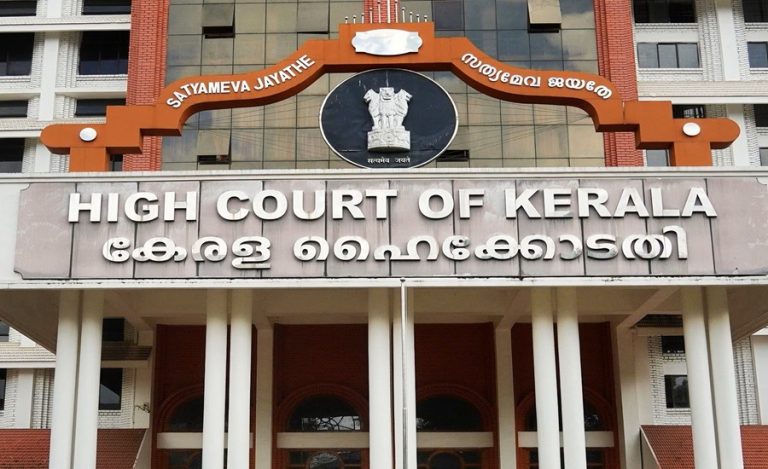
Madras: The Madras High Court has asked the Tamil Nadu government to examine the need for more special courts to handle pending corruption cases across the state. The court highlighted that 2,423 corruption cases were pending as of June 30, 2026, and said that existing courts needed better infrastructure, staff and prosecutors to ensure faster trials.
High Court Raises Concern Over Pending Tamil Nadu Corruption Cases
The Madurai Bench of the Madras High Court expressed concern over the large number of pending cases under the Prevention of Corruption Act, 1988.
Read also: Who Can File A Complaint Under The Senior Citizen Act? Madras High Court Answers
Justice B Pugalendhi observed that corruption cases should not be treated as an additional workload for Principal District and Sessions Judges. These cases require special attention because the law expects them to be completed within a reasonable time.
According to the court’s findings, Tamil Nadu had 2,423 pending corruption cases as of June 30, 2026. The court also noted that 61 additional cases were pending in Puducherry.
The court said that such a large number of cases could not be handled effectively without proper judicial arrangements.
Tamil Nadu Corruption Cases: Only Eight Districts Have Exclusive Special Courts
The High Court found that exclusive Special Courts under the Prevention of Corruption Act were functioning in only eight districts of Tamil Nadu.
In the remaining 30 districts, corruption cases were being handled by Principal District and Sessions Judges along with their regular judicial and administrative responsibilities.
The court observed that this arrangement was placing an additional burden on judges and affecting the timely disposal of corruption cases.
It also noted that a proposal was already pending before the High Court administration to designate additional Sessions Courts as Special Courts.
The court asked the Registrar General to take the necessary steps to move this proposal forward.
What Does The Prevention Of Corruption Act Say About Trial Timelines
The High Court referred to Section 4(4) of the Prevention of Corruption Act, 1988.
This provision says that corruption trials should be conducted on a day-to-day basis, as far as practicable. It also requires courts to make an effort to complete these trials within two years. However, the court explained that simply asking judges to finish cases within two years would not solve the problem.
Courts also need sufficient staff, proper infrastructure and adequate time to handle these cases. The court stressed that the government and judicial administration share responsibility for ensuring faster trials.
Tamil Nadu Corruption Cases: High Court Issues Directions To Tamil Nadu Government
The Madras High Court issued several directions to improve the handling of corruption cases across Tamil Nadu.
The court asked the state government and High Court administration to take steps in the following areas:
1. Examine The Need For More Special Courts
The Tamil Nadu government must examine the need for establishing exclusive Special Courts in districts where they are not currently functioning. This decision should consider the number of pending cases and the workload in each district.
2. Provide Proper Infrastructure And Staff
The state government must provide the necessary infrastructure, supporting staff and other facilities to ensure the effective functioning of existing and additional Special Courts.
3. Ensure Adequate Prosecutors
The Director of Vigilance and Anti-Corruption, in coordination with the Director of Prosecution, must ensure that sufficient prosecuting personnel are available. This will help prevent delays caused by a shortage of government prosecutors.
4. Give Priority To Corruption Cases
The court directed Sessions Judges handling corruption cases to give these matters proper priority.
They should make efforts to conduct hearings daily, wherever practicable, and follow the timelines mentioned under the Prevention of Corruption Act.
Court Also Orders Faster Trial In Shahul Hameed Case
The court passed these directions while hearing a petition filed by A Shahul Hameed, who was facing trial in a corruption case before the Principal District and Sessions Court in Thoothukudi.
The petitioner was facing allegations under Section 7(a) of the Prevention of Corruption Act and Section 167 of the Indian Penal Code.
His lawyer informed the court that charges had been framed in 2023, but only two witnesses had been examined in approximately three years.
The petitioner approached the High Court seeking an order for the speedy completion of his trial.
After examining the matter, the High Court directed the Principal District and Sessions Judge, Thoothukudi, to make every effort to complete the trial within six months from receiving a copy of the order.
The court also directed that unnecessary adjournments should be avoided, subject to the cooperation of the parties.
The direction concerns the speedy completion of the trial and does not decide whether the accused is guilty.
Read also: “This Should Have Happened Years Ago”: Madras High Court Backs Renaming Of Caste-Based Streets
FAQs
According to the figures placed before the Madras High Court, 2,423 cases under the Prevention of Corruption Act were pending in Tamil Nadu as of June 30, 2026. Another 61 cases were pending in Puducherry.
The Madras High Court asked Tamil Nadu to examine the need for more Special Courts because 2,423 corruption cases were pending across the state as of June 30, 2026. The court highlighted the shortage of dedicated courts and judicial resources.
Section 4(4) of the Prevention of Corruption Act, 1988, requires corruption trials to be conducted on a day-to-day basis, as far as practicable. Courts must make an effort to complete these trials within two years.