New Delhi: The Supreme Court’s directions on digital arrest scams mark another important step in India’s fight against cybercrime. The Court has directed WhatsApp and other digital platforms to explain the measures they plan to take to prevent digital arrest scams and related cybercrimes.
The platforms must also submit their proposed action plans to the Indian Cyber Crime Coordination Centre (I4C). The directions were issued in a suo motu case concerning victims of digital arrest and forged documents.
Digital Arrest Scams: Supreme Court Seeks Action Plan From WhatsApp And Other Platforms
A three-judge bench comprising Chief Justice of India Surya Kant, Justice Joymalya Bagchi and Justice V. Mohana issued the directions.
The Court was hearing the case titled In Re: Victims of Digital Arrest Related to Forged Documents.
The bench directed WhatsApp LLC, a Meta company, and other concerned intermediaries to inform the Court about the steps they propose to take against digital arrest scams.
The platforms must also submit their proposals to the Indian Cyber Crime Coordination Centre (I4C), which coordinates India’s response to cybercrime.
Digital Arrest Scams: WhatsApp Reports Action Against 9,400 Accounts
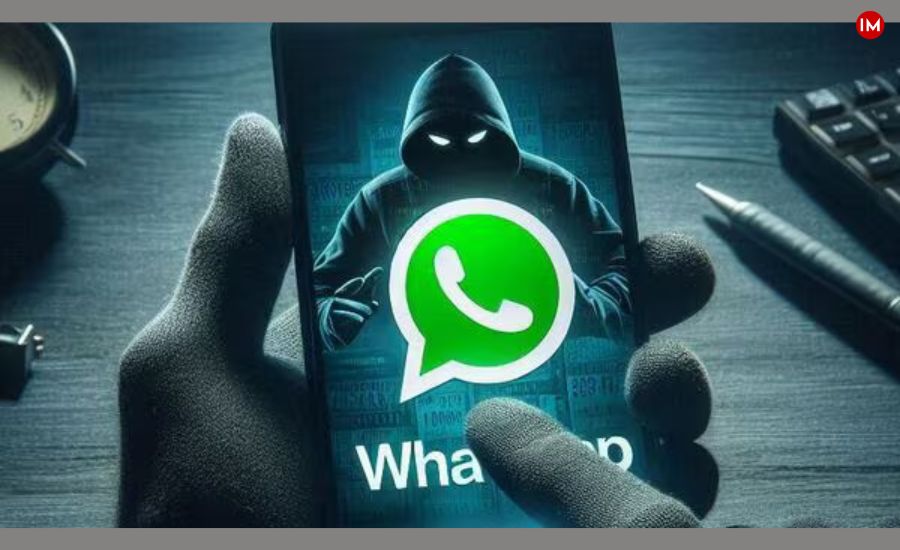
During the proceedings, WhatsApp reportedly informed the Court about its efforts to prevent online fraud and impersonation.
The platform had taken action against around 9,400 accounts reportedly linked to digital arrest scams and impersonation of law enforcement agencies.
WhatsApp also indicated that it would submit an affidavit explaining the preventive measures it had taken.
According to the report, the platform was also developing software to identify suspicious accounts and alert users about possible fraud.
Supreme Court Pushes Banks To Compensate Cyber Fraud Victims
The Supreme Court has also raised concerns about the responsibility of banks and other financial institutions in preventing cyber fraud.
The bench reiterated that the Reserve Bank of India (RBI) should include provisions requiring financial institutions to compensate victims when an investigation establishes that fraud occurred because of the bank’s failure to exercise due diligence.
The proposed compensation should not be less than the amount lost by the customer in such cases. This direction could strengthen accountability in the banking system and provide greater protection to people who lose money through digital arrest scams.
RBI Asked To Strengthen Fraud Prevention Measures
The Court has highlighted several preventive steps that financial institutions should consider implementing. These include:
- Temporarily stopping unusual or suspicious transactions that do not match a customer’s normal banking history.
- Automatically informing the nearest police station about suspicious transactions.
- Physically verifying reported transactions to check whether they are genuine.
- Establishing effective grievance redressal mechanisms for cyber fraud victims.
- Developing a system to help restore money lost through cyber-enabled financial fraud.
The Court also directed the RBI to submit a list of all authorised financial institutions before the next hearing.
States And Police Agencies Asked To Submit Cybercrime Reports
The Supreme Court has also directed law enforcement agencies across all States and Union Territories to provide details of digital arrest scam cases.
They must submit information about the FIRs registered so far and the investigations conducted in these cases.
The agencies have also been asked to suggest practical measures for preventing, detecting and prosecuting digital arrest scams. The Directors General of Police (DGPs) of all States and Union Territories have been directed to ensure compliance with the Court’s instructions.
Read also: Fake CBI Calls, SIM Misuse, Deepfakes: SC Orders CBI Probe Into Digital Arrest Fraud Syndicates
FAQs
WhatsApp reportedly took action against around 9,400 accounts linked to digital arrest scams and impersonation of law enforcement agencies.
The Supreme Court has directed WhatsApp and other digital platforms to explain their proposed measures to prevent digital arrest scams and related cybercrimes.
The Supreme Court has scheduled the next hearing in the case for November 23, 2026.