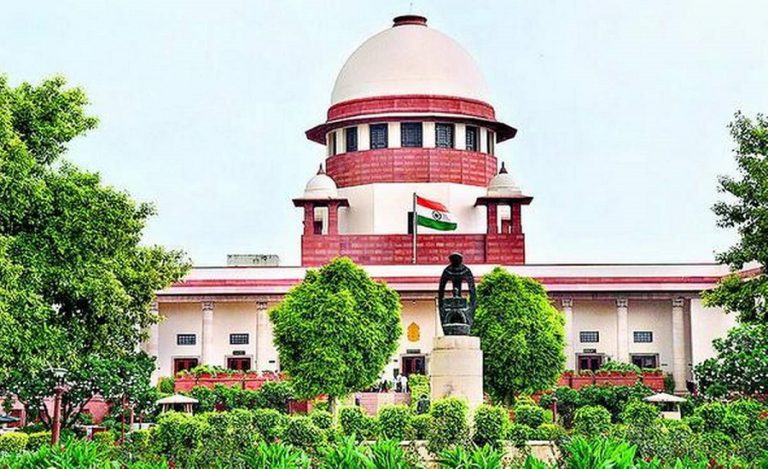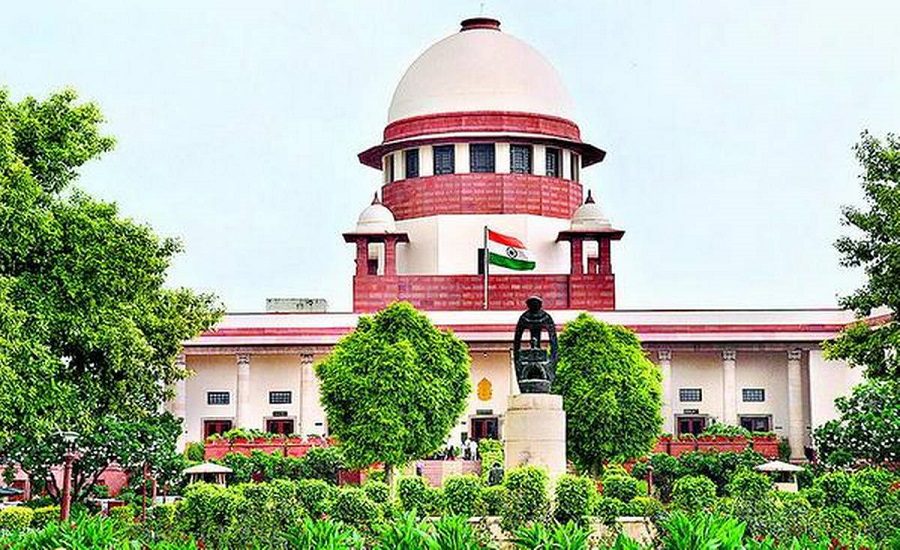
New Delhi: The Supreme Court of India has given the Central Government more time to submit a detailed reply in the Delhi women safety case. During a hearing on November 6, 2026, the Court extended the deadline to November 23 after the government requested additional time to prepare a meaningful response.
The case concerns recent incidents of sexual violence against women and girls in Delhi-NCR. The Court wants practical safety measures, stronger accountability, and clear action from authorities to improve public safety.
Delhi Women Safety Case: Supreme Court Demands Meaningful Reply From Central Government
A Supreme Court bench comprising Justice J.B. Pardiwala and Justice Manmohan heard the matter on November 6, 2026.
Read also: Delhi Women Safety: Cab Drivers, Bus Staff And Liquor Outlets Face Strict Verification Drive
Solicitor General Tushar Mehta, representing the Central Government, informed the Court that draft affidavits had already been prepared. However, he explained that he was not fully satisfied with their contents and wanted more time to prepare a stronger response.
Justice Pardiwala stressed that the government’s reply must be meaningful and detailed rather than a routine submission. The Court accepted the request and extended the deadline from November 6 to November 23, 2026.
Government Wants Safety Measures That Can Work Across India
During the hearing, Solicitor General Tushar Mehta said the government wanted to develop measures that could also be adopted in other parts of India. This suggests that the case could have wider importance beyond Delhi-NCR.
The Court expects a comprehensive response that addresses the safety concerns raised during the proceedings.
Why Did The Supreme Court Take Up The Delhi Women Safety Case
The Supreme Court began examining the issue on September 28, 2026, after reports of serious sexual assault incidents involving women and minor girls in Delhi-NCR.
The incidents raised questions about public safety, police patrolling, and the ability of authorities to prevent crimes.
The Court also referred to the 2012 Nirbhaya case and questioned whether enough progress had been made in protecting women.
Court Raises Concerns About Public Safety Failures
The Supreme Court observed that women and children should not face serious safety risks while travelling or using public spaces.
It highlighted concerns involving inadequate street lighting, weak surveillance, insufficient police patrolling, and other administrative failures.
The Court emphasised that authorities must take responsibility for preventing such crimes. It also linked women’s safety to the constitutional right to life and dignity under Article 21.
What Safety Measures Has The Supreme Court Asked Authorities To Examine
In its earlier orders, the Supreme Court directed authorities to provide detailed information about existing safety arrangements and their implementation.
The directions focused on identifying weaknesses in public infrastructure, police operations, and complaint systems.
1. Better Street Lighting And Public Infrastructure
Authorities were asked to examine lighting conditions in public places and identify areas where poor visibility could increase safety risks.
The Court clarified that lighting audits should assess public lighting independently of lights from private buildings and advertisements.
2. Stronger Police Patrolling And Monitoring
The Court sought information about police deployment, staffing, and patrolling arrangements.
It also asked authorities to examine the feasibility of a QR-code-based system for monitoring police patrols using time records and location tracking.
3. Improved Complaint And Reporting Systems
The Court raised concerns about the difficulties people face when using multiple complaint portals.
It asked authorities to consider the needs of individuals who may not have the literacy or technical knowledge required to use digital reporting systems.
4. Clear Reports And Government Accountability
The Supreme Court directed the relevant authorities to provide detailed progress reports explaining which safety measures had been implemented.
The reports must also identify pending work and explain the reasons for delays.
These directions aim to make it easier to assess whether government agencies are taking effective action.
What Happened During The November 6 Supreme Court Hearing
During the November 6 hearing, Solicitor General Tushar Mehta requested additional time to finalise the Central Government’s response.
Senior Advocate Liz Mathew, who is assisting the Court as amicus curiae, said she would need approximately one week to examine the report after its submission.
An amicus curiae is a legal expert appointed to assist the Court with independent legal analysis.
The bench agreed that the quality of the government’s response was important. It directed the government to submit a meaningful and comprehensive reply by November 23. The next hearing concerning this response was scheduled for December 2, 2026.
Why Is This Supreme Court Case Important For Women’s Safety In India
The case is important because it examines the responsibility of government agencies to protect women in public places.
The Supreme Court is looking beyond individual criminal incidents and examining wider problems in public safety systems.
Its directions could encourage stronger coordination between police departments, government officials, and public infrastructure agencies. However, any wider national impact will depend on future court directions and how authorities implement the required measures.
Could Delhi’s Safety Measures Become A National Model
The Central Government has indicated that it wants to explore solutions that could be used across India.
If effective safety measures are developed and successfully implemented, other states may be able to adopt similar approaches. For now, the Court is examining the responses and compliance reports. No nationwide safety model has been finalized through the November 6 hearing.
What Happens Next In The Delhi Women Safety Case
The Central Government has until November 23, 2026, to submit its detailed reply. Senior Advocate Liz Mathew is expected to review the government’s response and assist the Court in examining its contents.
The Supreme Court has scheduled the next hearing on this aspect of the matter for December 2, 2026. The Court will then be able to examine the proposed measures and consider whether further directions are necessary.
Read also: Women’s Safety Under Spotlight As Supreme Court Takes Suo Motu Cognizance Of Delhi-NCR Rape Cases
FAQs
The Supreme Court has sought action and reports concerning better street lighting, police patrolling, public surveillance, accessible complaint systems, and accountability. These measures aim to improve women’s safety in public places.
The Supreme Court extended the deadline because Solicitor General Tushar Mehta requested additional time to prepare a more detailed and meaningful reply. The government must submit its response by November 23, 2026.
The Supreme Court scheduled the next hearing concerning the Central Government’s response for December 2, 2026. The government was directed to file its detailed reply by November 23, 2026.