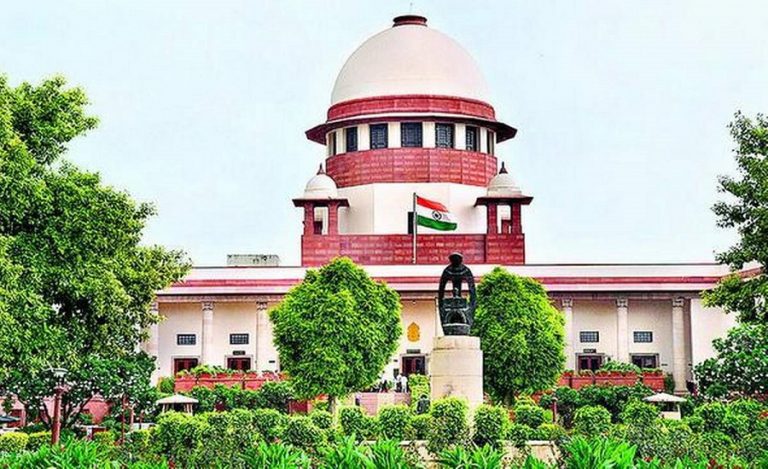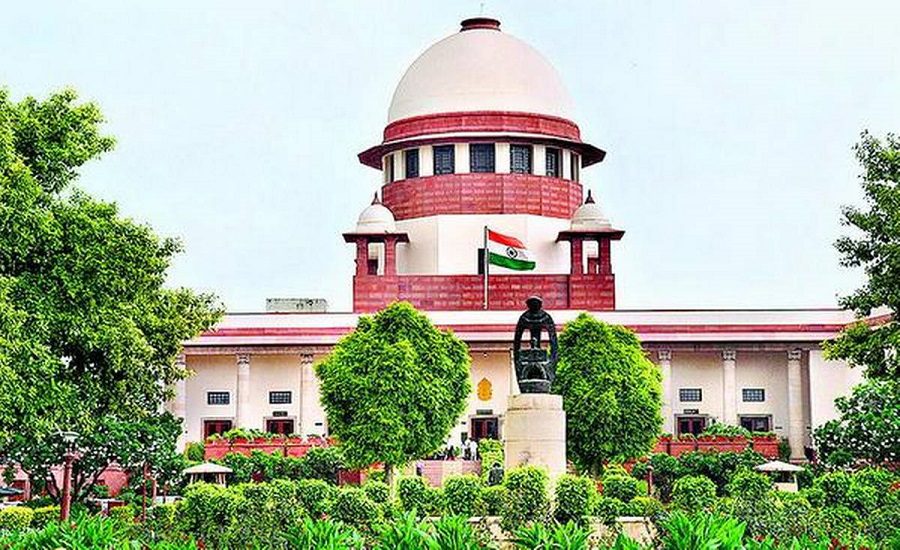
New Delhi: The Supreme Court of India took suo motu cognizance of recent sexual assault incidents reported in the National Capital Region. The Court expressed serious concern over recurring crimes against women and questioned whether law enforcement and public authorities have made meaningful progress since the 2012 Nirbhaya case.
The bench emphasized that public safety is a constitutional responsibility and directed the registration of a suo motu case to examine the larger issue of accountability and preventive measures.
Details of Supreme Court Delhi-NCR Rape Cases Suo Motu
A bench comprising Justice JB Pardiwala and Justice KV Viswanathan took note of recent rape and sexual assault cases reported in Delhi-NCR.
Read also: Child Labour Laws Tighten: Delhi HC Orders Police To Trace Employers In Child Labour Case
The Court referred to incidents including the alleged gangrape and murder of a teenage girl in Delhi and the reported sexual assault of a minor inside a moving sleeper bus.
According to the Court, these incidents raise serious concerns about the effectiveness of existing law enforcement mechanisms and public safety systems.
Supreme Court Draws Parallel With Nirbhaya Case
During the hearing, the bench observed that the recent incidents bring back memories of the 2012 Nirbhaya case, which had triggered major legal and administrative reforms across the country.
The judges questioned whether those reforms have resulted in meaningful improvements in women’s safety and crime prevention. The Court noted that repeated incidents of sexual violence indicate deeper systemic issues that require urgent attention.
Supreme Court Delhi-NCR Rape Cases Suo Motu: Court’s Key Observation
The bench stated that recent reports of sexual offences across Delhi-NCR appear to highlight failures in law enforcement and public administration in ensuring basic public safety. The Court stressed that protecting citizens, especially vulnerable individuals, is a fundamental responsibility of authorities.
Right To Live With Dignity Under Article 21
The Supreme Court reiterated that the right to live with dignity and without fear of violence is an essential part of the Right to Life guaranteed under Article 21 of the Constitution of India. The bench observed that public spaces must remain safe for everyone.
According to the Court, roads, parks, buses, metro stations, subways and footbridges should never become high-risk areas due to poor lighting, inadequate surveillance, lack of police patrolling or administrative negligence.
Public Safety Concerns Highlighted By The Court
The Court identified several factors that may contribute to unsafe public spaces:
- Inadequate street lighting
- Poor surveillance systems
- Insufficient police patrolling
- Weak preventive measures
- Administrative deficiencies
The judges stressed that such issues must be addressed proactively rather than after crimes occur.
Supreme Court Calls For Accountability
The bench made it clear that statements of concern and solidarity from public officials are not enough. The Court observed that accountability must be fixed for failures that contribute to such crimes.
According to the judges, meaningful action requires measurable responses, institutional responsibility and effective implementation of safety measures.
What The Court Said
The Supreme Court emphasized that public authorities entrusted with maintaining law and order must be held accountable if preventable lapses contribute to serious crimes. The bench noted that expressions of sympathy alone cannot solve systemic problems.
Read also: Article 142 Explained: How The Supreme Court Helped Priyanka Saxena Rejoin The IAF
FAQs
The Supreme Court took suo motu cognizance after noting recent rape and sexual assault incidents in Delhi-NCR and expressing concern over possible systemic failures in public safety and law enforcement.
The matter was heard by a bench comprising Justice JB Pardiwala and Justice KV Viswanathan.
The Court is concerned about recurring crimes against women, public safety shortcomings and the need for accountability among authorities responsible for preventing such offences.