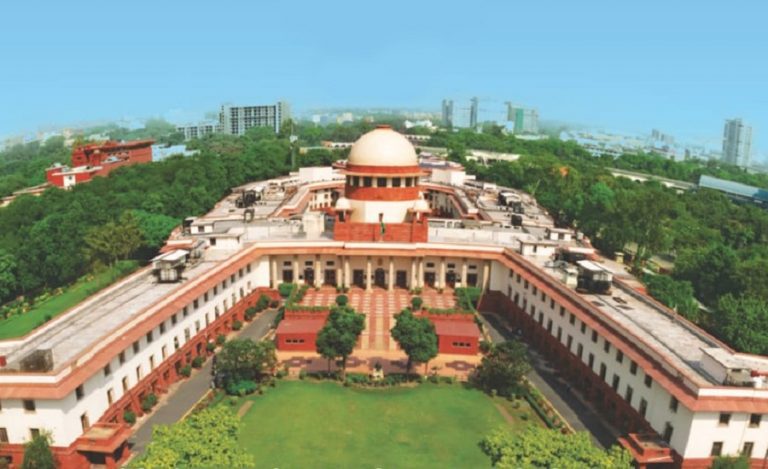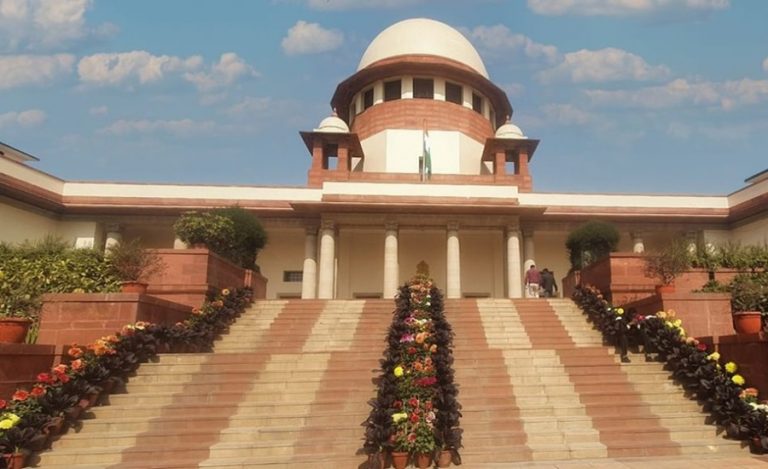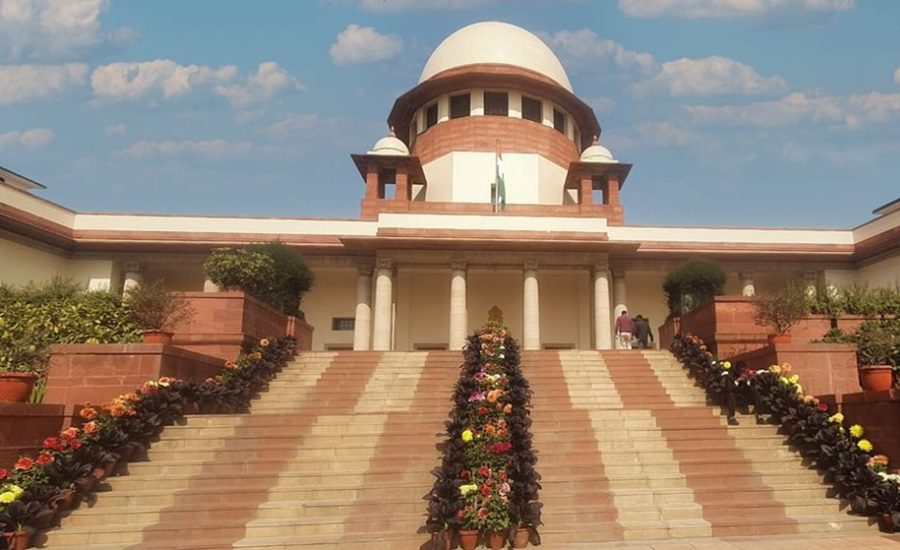
New Delhi: Delhi women safety has come under sharp focus after the Supreme Court directed Delhi Police, Delhi Government authorities, and the Transport Department to immediately strengthen preventive measures across the capital.
The Court ordered enhanced police patrolling, strict verification of cab and bus drivers, stronger monitoring systems, and action against unauthorized liquor outlets. The directions were issued during a suo motu case concerning recent crimes against women in Delhi-NCR.
The Court emphasized that preventing crime is more important than taking action after an incident occurs. It said every woman should feel safe at any time of the day or night while traveling in Delhi.
Delhi Women Safety Case: Why Did The Supreme Court Intervene
The Supreme Court took suo motu cognizance of several recent crimes against women in Delhi-NCR.
Read also: Why Delhi HC Has Issued Notices To Ola, Uber And Rapido In A Women’s Safety Case
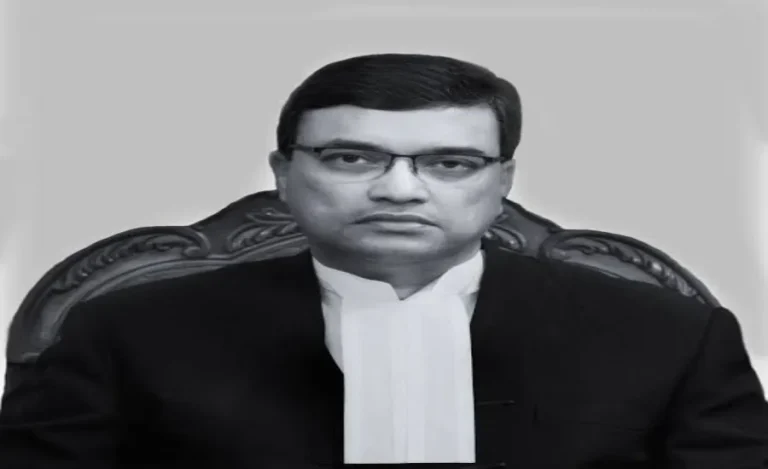
The bench observed that these incidents raised serious concerns about public safety and highlighted possible gaps in policing, surveillance, and emergency response systems. The matter was heard by a bench comprising Justice JB Pardiwala and Justice K Vinod Chandran.
Court Focused On Crime Prevention
The Court clarified that the purpose of the proceedings is not merely to punish offenders after crimes occur. Instead, authorities must identify weaknesses in existing safety systems and fix them before incidents happen. The bench stressed that preventive policing should become the primary focus.
Supreme Court Directions For Delhi Police on Delhi Women Safety Case
The Court directed Delhi Police to significantly increase beat patrolling across the city. Special attention must be given to vulnerable locations, educational institutions, isolated areas, public spaces, and zones identified as high-risk. Senior officers have also been instructed to regularly monitor patrol operations and ensure effective implementation.
Verification Of Cab And Bus Drivers
The Supreme Court ordered strict verification of drivers and assistants working in:
- Government buses
- Private buses
- Taxis
- Cabs linked to app-based platforms
- Auto-rickshaws
Only verified and registered persons should be allowed to operate passenger vehicles. Authorities have also been asked to ensure that driver identification details remain clearly visible to passengers.
Monitoring And Surprise Checks
The Court directed authorities to conduct periodic and surprise inspections. Vehicle verification checkpoints should be used to identify unauthorized drivers and ensure compliance with safety norms. Officials have also been asked to examine vehicle-tracking systems and improve coordination with emergency response mechanisms.
Delhi Women Safety Case: Action Against Unauthorized Liquor Shops
The Court directed authorities to identify and take action against unauthorized liquor shops and establishments operating illegally. Special focus has been placed on eateries and outlets allegedly supplying liquor without proper authorization.
Prevent Crowding Around Liquor Shops
Police officers have been instructed to prevent unnecessary gatherings and loitering near liquor outlets. The Court observed that such locations can sometimes create safety concerns, particularly in vulnerable areas.
Citizen Participation And Safety Measures
The Court emphasized that citizens should be able to report safety concerns without fear. Authorities have been asked to create mechanisms where complaints are received sensitively, acted upon quickly, and kept confidential when necessary.
Focus On Women’s Safety Zones
The Court specifically highlighted areas around:
- Colleges and universities
- Educational institutions
- Paying guest accommodations
- Areas frequently visited by women and girls
Police and local administration have been directed to strengthen safety measures in these locations.
Supreme Court’s “Broken Windows” Approach
The bench referred to the “Broken Windows Theory,” which suggests that small signs of neglect can encourage larger problems if ignored. According to the Court, issues such as:
- Poor street lighting
- Non-functional CCTV cameras
- Unattended public complaints
- Weak surveillance
These issues should be addressed immediately before they contribute to a rise in crime. The Court stated that visible signs of neglect can create a perception of reduced vigilance and vulnerability. Preventive action is therefore essential.
Reports on Delhi Women Safety Case Sought By The Supreme Court
The Court has sought detailed reports from Delhi Police and government authorities regarding:
- Police staffing levels
- Control-room command centers
- Emergency response systems
- Women’s safety initiatives
- Patrolling mechanisms
- Complaint protection measures
- Operation Nirbheek and Nazuk Scheme implementation
Authorities have been asked to submit affidavits detailing the progress made in these directions.
Delhi Women Safety Case: Warning To Officials
The bench indicated that senior officials could be held personally accountable if the Court’s directions are not implemented seriously. This highlights the Court’s intention to closely monitor compliance.
Read also: From Rooftops to Roads: Delhi’s New Push for Cleaner Air and Lower Energy Costs
FAQs
The Court directed Delhi Police to increase patrolling, verify drivers, improve surveillance, strengthen complaint mechanisms, and act against unauthorized liquor outlets.
The Court acted after taking suo motu cognizance of recent crimes against women in Delhi-NCR and sought stronger preventive policing measures.
The primary objective is to prevent crimes before they occur and make Delhi safer for women through proactive policing and better public safety systems.