New Delhi: Delhi’s battle against air pollution is increasingly moving beyond seasonal measures, with rooftop solar, electric vehicles and electric public transport emerging as key parts of the city’s clean-energy approach.
The latest focus combines the PM Surya Ghar: Muft Bijli Yojana, Delhi’s rooftop solar support and the Delhi EV Policy, linking cleaner energy with lower household electricity costs and greener mobility.
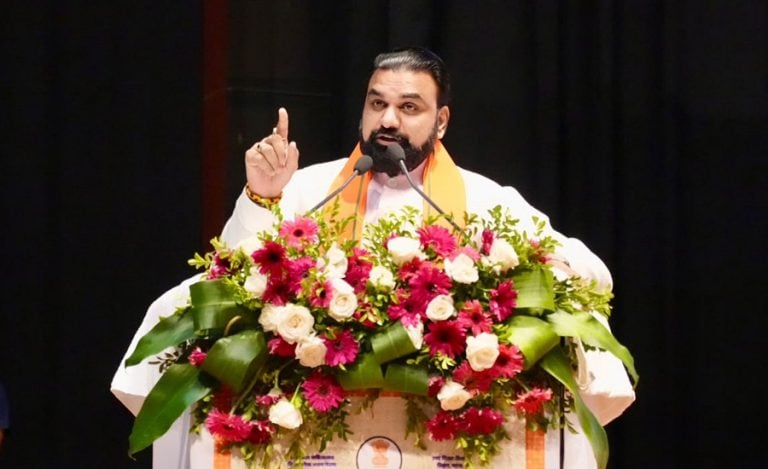
A recent article by Delhi MLA Rajkumar Bhatia argues that these measures can make the clean-air agenda more visible in everyday life, particularly for households and workers who face the direct impact of high energy and transport costs.
Rooftop Solar Targets Household Energy Costs
Rooftop solar is at the centre of the new clean-energy push. Under PM Surya Ghar, residential consumers can receive central financial assistance of up to ₹78,000 for eligible rooftop systems. The Delhi government also provides state capital subsidy support, with the current structure allowing assistance of up to ₹78,000, subject to the applicable conditions and cost limits.
Delhi’s official solar portal currently provides different models for households, including options designed for consumers with limited roof space or limited capital.
The portal lists the central subsidy at ₹30,000 per kW for the first 2 kW and ₹18,000 per kW for additional capacity up to 3 kW, with the central subsidy capped at ₹78,000.
The Delhi state subsidy structure provides support of up to ₹26,000 per kW, subject to a maximum of ₹78,000 and the conditions under the state’s implementation model.
This combination is intended to make rooftop solar more accessible to ordinary residential consumers rather than limiting adoption to larger homes with substantial roof space.
Read Also: Delhi Launches ₹8,300 Crore Clean Air Programme with World Bank Support to Combat Pollution
Solar Portal Opens Access to More Households
Delhi’s solar programme is being implemented through an online system that allows consumers to apply and track their applications.
The official Delhi Solar Portal currently shows more than 72,000 applications, with data updated on October 7, 2026. It also states that the scheme is being implemented on a first-come, first-served basis for the first 2.2 lakh eligible consumers and that the current scheme window runs until February 28, 2027.
The portal also provides a calculator through which consumers can estimate the feasible rooftop capacity, applicable subsidies, potential savings and payback period based on electricity consumption and available roof space.
For consumers using the PM Surya Ghar scheme, the Delhi government has specified that empanelled vendors must be used to claim the central subsidy.
Smaller Homes Could Also Benefit
One of the important aspects of the rooftop solar push is its potential relevance for households with modest electricity consumption and limited roof space.
The official solar portal identifies 1–2 kW systems as suitable for households consuming up to 150 units a month and 2–3 kW systems for those consuming between 150 and 300 units.
This gives smaller households an opportunity to consider solar without requiring the large rooftop areas traditionally associated with residential solar installations.
The Delhi Solar Policy also provides alternative models such as community solar, group net metering and RESCO arrangements, which can help consumers who face constraints related to roof ownership, space or upfront capital.
Electric Vehicles Form the Second Pillar
The clean-energy strategy extends from rooftops to roads through Delhi’s electric vehicle policy.
The policy provides purchase incentives for several categories of electric vehicles. For eligible electric two-wheelers, the purchase incentive is linked to battery capacity at ₹5,000 per kWh, subject to a maximum of ₹30,000 per vehicle. Eligible e-autos and several other commercial electric vehicles can receive incentives of up to ₹30,000.
Delhi’s EV framework also provides exemptions from road tax and registration fees for eligible electric vehicles, subject to policy conditions. The current policy document provides 100% exemption for eligible EVs registered in Delhi during the policy period, with specific provisions for electric cars based on their price.
For delivery workers, e-rickshaw drivers and other people who depend on vehicles for their livelihood, lower running costs can make electric mobility particularly relevant.
Electric Buses Could Change Daily Commutes
Public transport is another important part of Delhi’s transition towards cleaner mobility.
According to the Delhi Economic Survey 2025-26, Delhi had 3,614 electric buses in its total bus fleet of 5,525 as of January 2026, with further electric-bus additions planned. The government also proposed 2,800 buses under the PM E-Drive scheme.
The shift to electric buses matters because public transport can reduce emissions at a much larger scale than individual vehicle adoption alone.
The article also highlights smaller DEVI buses as an important option for narrow residential lanes that are difficult for conventional large buses to access. Such services can potentially improve last-mile connectivity while expanding access to cleaner public transport.
Linking Clean Air With Energy Security
The clean-energy push also has a broader economic dimension.
Greater use of solar power can reduce dependence on conventional electricity sources, while electric mobility can reduce petrol and diesel consumption. The expansion of rooftop solar can also create demand for installers, electricians, maintenance workers and other technicians.
The national PM Surya Ghar framework further links rooftop solar with domestic manufacturing. The wider objective is to expand renewable energy while developing a supporting ecosystem of manufacturers and service providers.
For Delhi, this creates an opportunity to connect environmental policy with household savings, local employment and energy security.
Implementation Will Decide the Impact
The biggest challenge now is ensuring that these schemes reach the households and consumers they are designed to support.
For rooftop solar, faster inspections, approvals, installations and meter connections can make the difference between a scheme that exists on paper and one that delivers actual savings.
Similarly, EV incentives need simple procedures, adequate charging infrastructure and easy access to eligible vehicles. Delhi’s official EV platform already provides information on charging infrastructure and offers a database of charging and swapping stations across the city.
The effectiveness of these initiatives will ultimately depend on implementation, awareness and sustained adoption.
Delhi’s Clean-Air Strategy Moves Beyond Winter
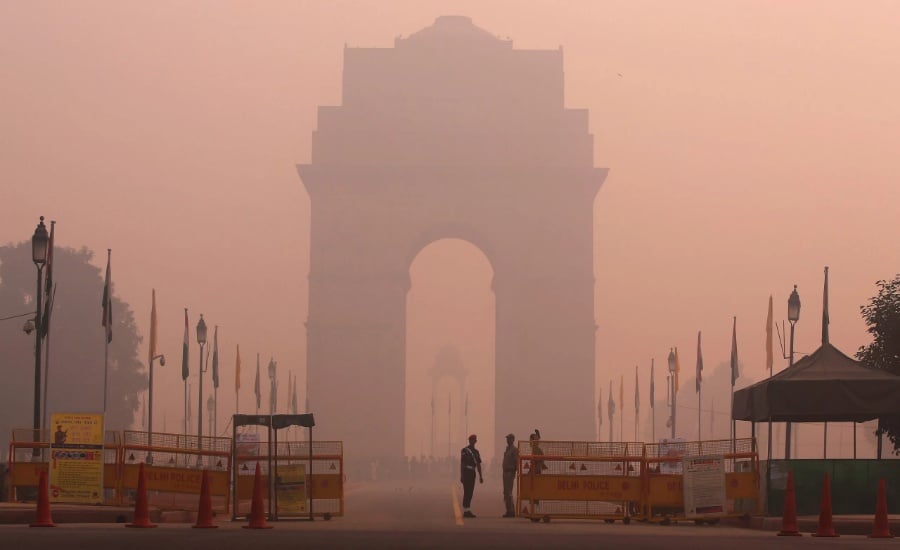
Delhi’s pollution crisis becomes most visible during the winter, but cleaner air requires interventions throughout the year.
Solar rooftops can address household energy consumption, electric vehicles can reduce tailpipe emissions and electric buses can make public transport cleaner. Together, these measures can form a broader clean-energy strategy rather than relying only on emergency restrictions during severe pollution episodes.
The challenge ahead is to ensure that the benefits reach ordinary households, workers and commuters across the city.
If implementation remains consistent, Delhi’s transition towards rooftop solar and electric mobility could make the clean-air agenda more tangible — not just during the winter smog season, but in the everyday lives of its residents.
Read Also: Delhi CM Rekha Gupta Approves 1,000 Acres of Southern Ridge for Reserved Forest Notification