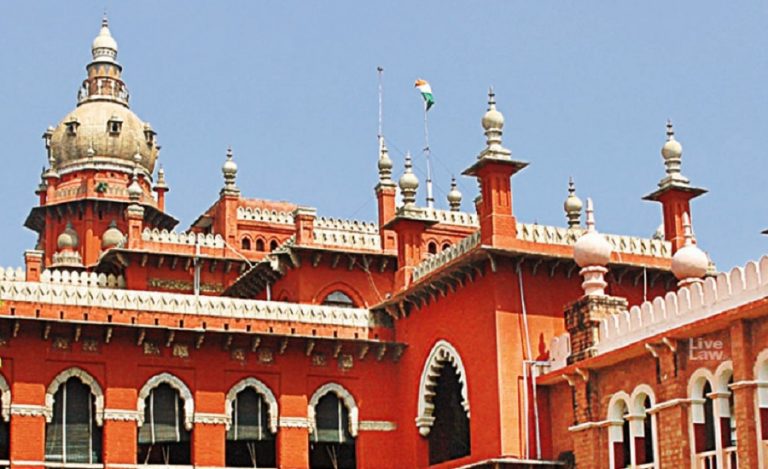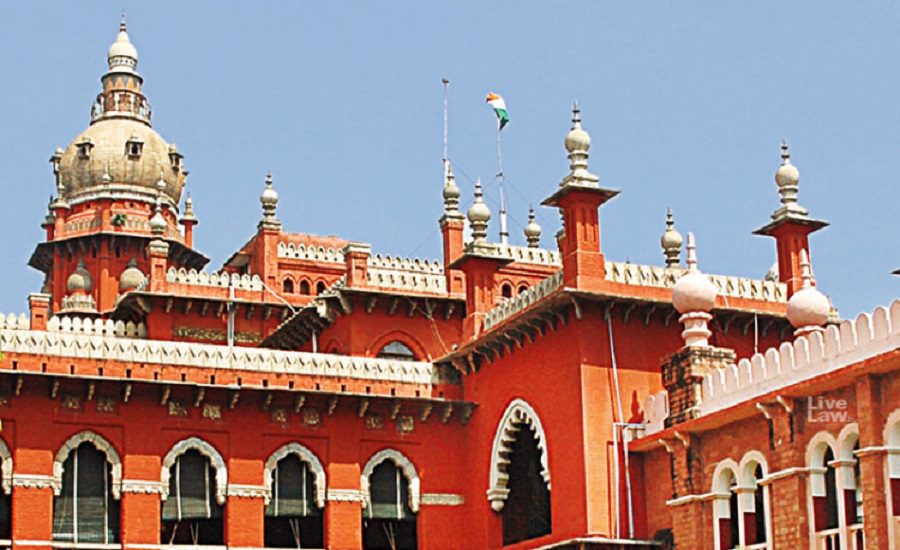
Madras: A Madras High Court Division Bench comprising Justice G R Swaminathan and Justice M D Sumathi passed the interim directions on November 10, 2026.
The order came during the hearing of a contempt petition filed by advocate V Ramasubbu. He alleged that government officials had failed to follow the court’s earlier directions on transparent book procurement.
The petitioner argued that the alleged irregularities were not simply administrative mistakes but had caused financial losses to the state and damaged the quality of public education and libraries.
The court questioned why the DVAC had not registered an FIR despite the allegations already coming to light.
Tamil Nadu Library AI Generated Book Scam: Madras High Court Directives
The High Court directed authorities to take immediate steps to freeze the bank accounts of Agal Vilakku Publications, its proprietor Mohan and others allegedly involved in the procurement irregularities.
Read also: Why Madras High Court Compared Srirangam Jeeyar Appointment To The Pope Election
The court also asked the Tamil Nadu government to take disciplinary action against the officials involved, including suspension where necessary.
The Director of Public Libraries was directed to identify the officials responsible for the purchases made during the last two years and more.
The court also sought details of the people involved in the alleged irregularities, from senior officials to those at lower administrative levels.
Court Raises Concerns Over AI-Generated And Fake Books
One of the major concerns in this case involves the alleged purchase of AI-generated, plagiarised and misleading books using public funds.
The controversy came into the spotlight after renowned Tamil writer Perumal Murugan published an article highlighting concerns about the quality and authenticity of books purchased for public libraries.
The issue also involved allegations that books contained fabricated information and were falsely presented as works of established writers and intellectuals.
The court stressed that public libraries must provide readers with genuine, reliable and quality educational material.
It observed that books containing false information, misleading content, plagiarism and questionable material could fall under the category of publications of “doubtful taste” under the Tamil Nadu Public Libraries Rules, 1950.
The court also directed librarians to identify suspicious books, prepare an inventory and ensure that such books were not made available to the public until further directions.
What Was The 2024 Madras High Court Order
The present controversy is connected to an earlier Madras High Court order passed in June 2024.
At that time, a division bench comprising Justice R Mahadevan and Justice G R Swaminathan issued directions to improve transparency in the procurement of books for public libraries across Tamil Nadu.
The court directed the authorities to follow the School Education Department’s Government Order dated March 7, 2024. Some important directions included:
- Dedicated Website: The Directorate of Public Libraries was directed to maintain a functional and user-friendly website.
- Public Notifications: Information about proposed book purchases had to be published on the official website.
- Publisher Communication: Eligible publishers in Tamil Nadu who had published at least 200 books had to receive email notifications.
- Shortlisted Books: Details of shortlisted books had to be published on a separate webpage.
- Expert Committee: The state government was directed to establish an expert committee to examine allegations concerning book procurement.
These measures were intended to ensure fair competition, improve transparency and prevent irregularities in the purchase of books using public money.
Why Did The Madras High Court Start Contempt Proceedings
The latest proceedings began after advocate V Ramasubbu filed a contempt petition alleging that government officials had not properly followed the High Court’s 2024 directions.
According to the petitioner, officials holding important administrative positions between 2024 and 2026 had failed to comply with the court’s instructions.
He argued that the alleged irregularities had resulted in financial losses to the state and affected the integrity of public libraries.
The petitioner requested the court to initiate contempt proceedings against the officials responsible for the alleged violations.
The case is titled V Ramasubbu v Dr K Gopal and Another, registered as Cont P (MD) 3763 of 2026.
What Happens Next In The Tamil Nadu Library AI Generated Book Scam
The High Court has directed the DVAC to register an FIR and take steps to freeze the bank accounts of the publishers allegedly involved.
The Director of Public Libraries must also provide details of the officials responsible for the procurement and submit a detailed affidavit explaining the sequence of events.
Authorities have been asked to disclose the exact amount spent on the purchase of the disputed books and produce relevant records before the court.
The government must also take appropriate disciplinary action against officials found responsible.
The matter was scheduled for further hearing on November 11, 2026.
The case has highlighted the importance of transparent government procurement, proper verification of published books and accountability in the use of public funds.
Read also: “This Should Have Happened Years Ago”: Madras High Court Backs Renaming Of Caste-Based Streets
FAQs
The court directed authorities to freeze the bank accounts of Agal Vilakku Publications, its proprietor Mohan and others allegedly involved in the book procurement scam.
The Madras High Court directed the DVAC to register an FIR because of alleged irregularities in the procurement of books for Tamil Nadu public libraries and concerns over non-compliance with its 2024 transparency directions.
The Tamil Nadu AI-generated books scam involves allegations that public libraries purchased fake, AI-generated, plagiarised and misleading books using government funds. The Madras High Court has ordered an FIR, action against responsible officials and the removal of suspicious books from public access.