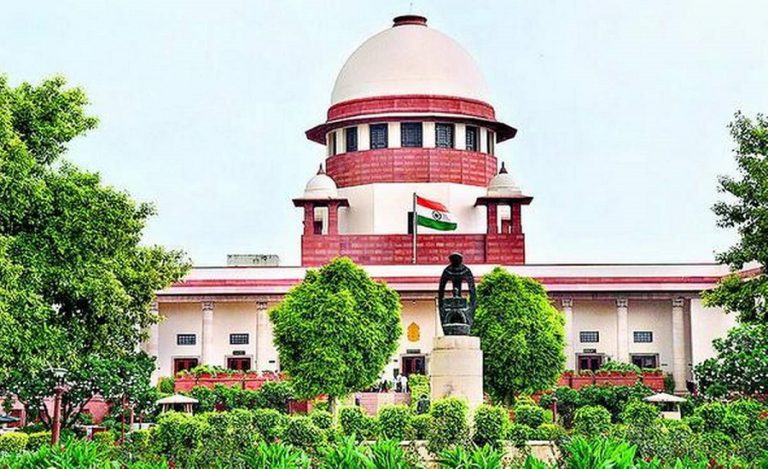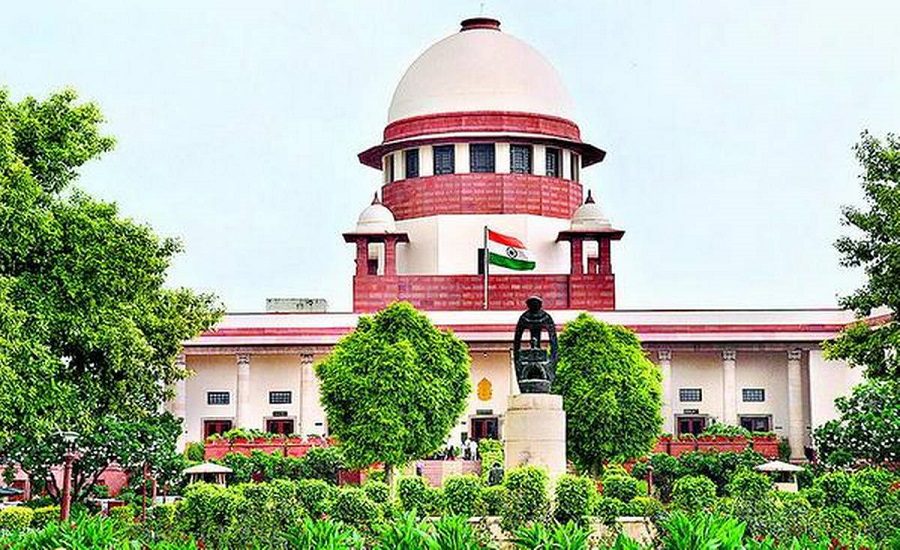
New Delhi: The Supreme Court of India has sought the Centre’s response to a petition demanding greater transparency in the judges appointment. The plea seeks to bring Supreme Court and High Court Collegium decisions under the Right to Information Act and speed up the finalisation of the Memorandum of Procedure (MoP) for judicial appointments.
A bench of Justices M.M. Sundresh and P.B. Varale issued notice to the Centre and the Supreme Court Secretary General on November 18, 2026. The petition was filed by the NGO Lok Prahari.
Details of Supreme Court Collegium RTI Petition
The petition raises concerns about the lack of transparency in the process of appointing judges to the Supreme Court and High Courts.
Read also: Allahabad High Court Slams Police Inaction, Seeks Plan To Fix Investigation Delays In UP
It argues that the existing system does not provide enough clarity about the selection of judges and the reasons behind important appointment decisions.
The petitioner has requested the Supreme Court to take steps to improve the system and ensure greater accountability. The main demands include:
- Bringing Collegium meeting minutes and decisions under the RTI Act.
- Finalising the revised Memorandum of Procedure for judicial appointments.
- Establishing clear and objective criteria for selecting judges.
- Ensuring that the appointment process follows the principles laid down in the Supreme Court’s 2015 judgment.
- Directing the Central Government to complete the revised MoP within one month after consultation with the Chief Justice of India.
What Is The Memorandum Of Procedure (MoP)
The Memorandum of Procedure (MoP) is a document that explains how judges are appointed to the Supreme Court and High Courts.
It provides the framework for the appointment, elevation and transfer of judges under the Collegium system.
The MoP was first prepared in 1999 following the Supreme Court’s directions in the Second Judges Case.
In simple words, it explains the procedure followed by the judiciary and the government when selecting judges for higher courts. However, the revised MoP has remained unfinished despite discussions between the Central Government and the judiciary.
Why Has The Supreme Court Been Asked To Review The MoP
The issue became important after the Supreme Court struck down the National Judicial Appointments Commission (NJAC) Act in October 2015.
The NJAC was introduced to replace the Collegium system with a commission involving both the judiciary and the executive. However, a five-judge Constitution Bench declared the NJAC framework unconstitutional, holding that it affected the independence of the judiciary.
After this decision, the Supreme Court suggested improvements to the existing Collegium system. In its December 16, 2015 order, the Court asked the Central Government to finalise the existing MoP after consulting the Chief Justice of India.
The Court also highlighted important areas requiring improvement, including eligibility criteria, transparency, a permanent secretariat and a mechanism for dealing with complaints against candidates.
Why Does The Petition Demand Collegium Decisions Under RTI
The Right to Information Act, 2005, allows citizens to seek information from public authorities, subject to legal exemptions. The petitioner believes that greater public access to Collegium decisions and meeting records could improve transparency in judicial appointments.
It argues that citizens should have greater clarity about the selection process and the standards used to recommend judges. However, bringing Collegium records under the RTI Act is a request made in the petition. The Supreme Court has not yet ruled on this demand.
Supreme Court Collegium RTI: What Happened During The Supreme Court Hearing
The matter was heard by a bench of Justices M.M. Sundresh and P.B. Varale on November 18, 2026. During the hearing, Justice M.M. Sundresh initially questioned whether he should hear the case because he is also a member of the Supreme Court Collegium.
Senior Advocate Sanjay Hegde, appearing for the petitioner, said that he had no objection to the judge hearing the matter.
The bench subsequently issued notice to the respondents and allowed the petitioner to file an amended petition.
This means that the Court has sought responses on the issues raised. It has not yet accepted the petitioner’s demands or passed a final decision on them.
Read also: Supreme Court Recognises Internet Access As A Fundamental Right For Children
FAQs
The Memorandum of Procedure is a document that explains the process for appointing, elevating and transferring judges to the Supreme Court and High Courts under the Collegium system.
The Supreme Court has sought the Centre’s response to a petition demanding greater transparency in judicial appointments, including bringing Collegium decisions under the RTI Act and finalising the revised MoP.
No final decision has been made in this case. The petitioner has requested that Collegium decisions and meeting minutes be brought under the RTI Act, but the Supreme Court has only issued notice and sought responses.