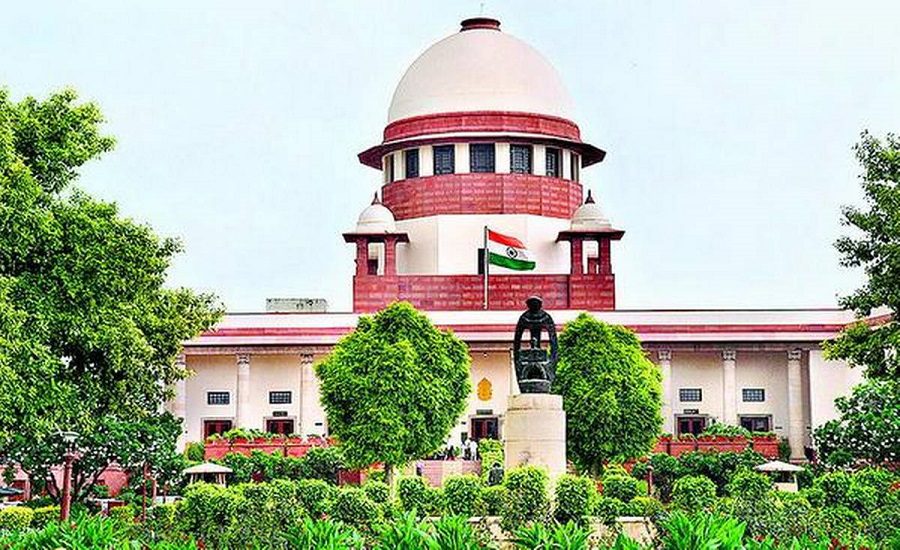
New Delhi: The Supreme Court of India has declared that internet access is a fundamental right for every individual, including children, under Articles 21 and 19(1)(a) of the Constitution.
In its October 15, 2026, order, the court rejected the idea of completely denying children internet access because of online risks. Instead, it called for stronger measures to protect children from harmful content while respecting their freedom, privacy and right to receive information.
Supreme Court Recognises Children’s Right To Internet Access
A bench of Justices JB Pardiwala and K Vinod Chandran made the observations while considering measures to prevent the circulation of child sexual exploitation and abuse material (CSEAM) on social media platforms and other online services.
Read also: CEC Protest Row: SCAORA Seeks Probe, Evidence Protection And Action Against Police
The court said children have constitutional rights regardless of their age. It stressed that protecting children from online dangers and allowing them to access the internet are not opposing goals.
According to the court, children should not lose access to information and freedom of expression simply because harmful content exists online.
The judges also highlighted the importance of the internet in education, communication and creative expression. For children living in remote areas, it may be one of the few available sources of learning and information.
Why Right to Internet Access Is Important For Children
The internet plays an important role in modern education. Children use online platforms to attend classes, access study materials, learn new skills and communicate with teachers.
It can also help children with special needs connect with people who have similar experiences. These online connections may provide support, information and a sense of belonging.
The court recognised that freedom of speech and expression includes the right to receive and share information and ideas.
Completely blocking children’s access to the internet could therefore affect their educational opportunities, personal development and ability to participate in the digital world.
Blanket Bans Are Not The Answer, Says Supreme Court
While acknowledging the dangers children face online, the Supreme Court said a complete ban on internet access would be an inappropriate solution.
The court indicated that children should not be treated as the problem when online platforms fail to prevent the spread of harmful material.
Instead, action should focus on removing illegal content, holding responsible parties accountable and improving the systems used to protect children.
The bench also warned that blanket restrictions could push children towards unregulated and potentially more dangerous online platforms.
Children who fear punishment for using the internet might also hesitate to report online threats, blackmail or attempts at exploitation.
The court further raised concerns about excessive age-verification requirements. Collecting and monitoring sensitive personal information to verify every user’s age could increase the risks of surveillance, privacy violations and misuse of data.
Supreme Court Suggests Stronger Online Safety Measures
Rather than imposing a complete ban, the court discussed proportionate safeguards to make internet use safer for children.
These measures include stronger parental involvement, age-appropriate settings and better moderation of online content.
1. Parental Consent And Guidance
Parents should play an active role in helping children use the internet safely. Parental consent, guidance and supervision can help children understand online risks without completely denying them access.
2. Child-Friendly Social Media Accounts
The court suggested dedicated child modes and suitable account settings. These could help limit children’s exposure to harmful content and reduce unwanted contact from unknown adults.
3. Private Accounts By Default
Social media platforms could make children’s accounts private by default. This would help limit the visibility of their personal information and reduce unwanted interactions.
4. Restrictions On Messages From Unknown Adults
Limiting messages from unfamiliar adults could help protect children from online grooming, manipulation and exploitation.
5. Stronger Content Moderation
Online platforms need better systems to detect, report and remove child sexual exploitation and abuse material. The court called for stronger action against the circulation of such content.
6. Reasonable Age Verification
Age-verification methods and parental-consent checks should be proportionate. The court highlighted the need to protect children without creating unnecessary risks to users’ privacy and personal data.
Supreme Court Calls For Stronger Action Against Child Abuse Material
The case also focused on concerns about the failure of social media platforms and other online services to adequately address child sexual exploitation and abuse material.
The Supreme Court emphasised the need for stronger systems to identify and remove such material.
It directed attention towards a national database that can help platforms and law enforcement agencies identify matching material and support its removal.
Such a system is intended to strengthen the response to illegal content and prevent its continued circulation across online services.
The court’s approach places greater responsibility on platforms, authorities and other relevant stakeholders to address online exploitation rather than solving the problem by denying children internet access.
Right to Internet Access: Government Asked To Work On Implementation
The court left the government to work on the implementation details of the proposed safeguards.
The directions involve action by the Union government, including the relevant ministries, to consider guidelines, standard operating procedures and changes to existing rules or laws where necessary.
The objective is to create a framework that protects children while respecting their constitutional rights.
The effectiveness of these measures will depend on how the government, social media companies and law enforcement agencies put them into practice.
Earlier Court Decisions On Digital Rights
The Supreme Court also referred to earlier decisions concerning digital rights and access to the internet.
The 2020 Anuradha Bhasin judgment recognised the importance of constitutional freedoms in the context of internet restrictions. The court also referred to the 2025 Pragya Prasun ruling concerning digital access under Article 21.
These decisions form part of the wider legal discussion about how constitutional rights apply in an increasingly digital society. The latest observations further highlight the importance of balancing online safety with freedom, access to information and privacy.
Read also: Supreme Court Clarifies Life Imprisonment Without Remission: Key Takeaways From The Verdict
FAQs
No. The court rejected the idea of completely denying children internet access because of online dangers. Instead, it called for proportionate safeguards, including parental guidance, child-friendly account settings and stronger content moderation.
Yes. The Supreme Court has stated that the right to access and use the internet is a fundamental right under Article 21 read with Article 19(1)(a) of the Indian Constitution. The court said this right also applies to children, regardless of age.
The court discussed measures such as parental consent, dedicated child modes, private accounts by default, restrictions on messages from unknown adults and stronger systems to detect and remove child sexual exploitation and abuse material. These measures aim to improve online safety while protecting children’s rights.