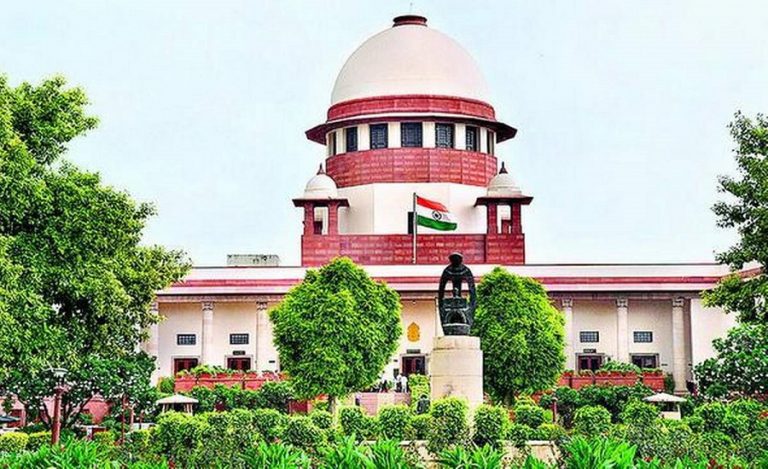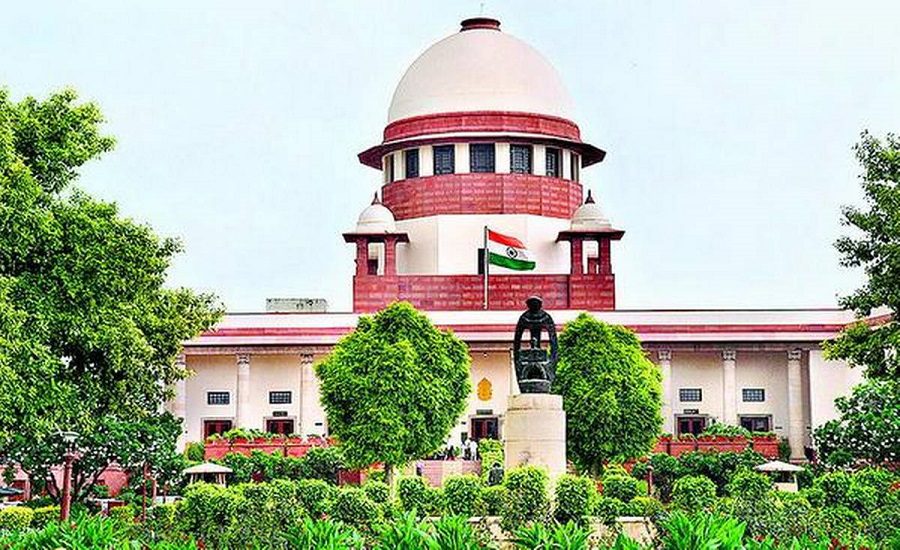
New Delhi: Supreme Court says that life imprisonment without remission is constitutional. The Court upheld the validity of sentences that require a convict to remain in prison for the rest of their natural life without statutory remission. The judgment dismissed multiple petitions challenging such sentences and clarified the powers of constitutional courts, the President, and the Governors. The ruling is based on earlier Constitution Bench decisions and existing constitutional provisions.
Key Highlights of the Life Imprisonment Without Remission Ruling
- Supreme Court upheld life imprisonment for the remainder of a convict’s natural life without remission.
- The judgment was delivered by Justice Sanjay Karol and Justice Augustine George Masih.
- The Court dismissed a batch of writ petitions challenging the constitutional validity of such sentences.
- The ruling reaffirmed earlier Constitution Bench judgments in Union of India v. V. Sriharan (2016) and Swamy Shraddananda (2) v. State of Karnataka (2008).
- The Court clarified that constitutional powers of mercy under Articles 72 and 161 remain unaffected.
Read also: Supreme Court Clarifies Article 12: Bar Associations Not Subject to Writ Jurisdiction
Life Imprisonment Without Remission: What Did The Supreme Court Rule
The Supreme Court ruled that constitutional courts can legally order imprisonment for the remainder of a convict’s natural life without granting statutory remission. The Bench said such sentences are valid under the Constitution and do not violate the legal framework governing punishment or remission. The petitions challenging these sentences were dismissed.
Why Was The Case Filed
The petitioners argued that the law provides only two punishments for murder—death penalty and life imprisonment. They claimed that imprisonment for the remainder of a person’s natural life without remission created a new punishment that was not recognised by law. They also argued that it affected the remission powers available under criminal procedure laws.
Life Imprisonment Without Remission: Why Did The Supreme Court Reject The Petitions
The Court said the issue had already been settled by earlier Constitution Bench judgments. It relied on the landmark ruling in Union of India v. V. Sriharan (2016), which approved the special category of life imprisonment introduced in Swamy Shraddananda (2008). The Court said constitutional courts have the authority to impose such sentences in appropriate cases.
What Is Life Imprisonment Without Remission
Life imprisonment without remission means a convict remains in prison for the rest of their natural life. Normally, a life sentence may be reduced through statutory remission if legal conditions are met. However, when a constitutional court specifically directs imprisonment for the remainder of natural life without remission, ordinary statutory remission does not apply.
Does This Affect The President’s Or Governor’s Mercy Powers
No, the Supreme Court clearly stated that the constitutional powers of the President under Article 72 and the Governor under Article 161 remain unchanged. These constitutional powers exist independently and cannot be restricted by statutory provisions or judicial orders.
Life Imprisonment Without Remission: What Did The Court Say About Section 432 CrPC
The Court explained that when a sentence is simply “life imprisonment,” the State Government may exercise its statutory remission powers under Section 432 of the Code of Criminal Procedure, wherever legally applicable. However, where a constitutional court specifically orders imprisonment for the remainder of natural life without remission, ordinary statutory remission cannot override that judicial direction.
Why Did The Court Mention Article 32
The Supreme Court observed that Article 32 is one of the most important constitutional remedies. However, it also said Article 32 cannot be used as a shortcut to bypass legal procedures that are otherwise available under the Constitution or statutory law. Petitioners should first exhaust appropriate legal remedies wherever required.