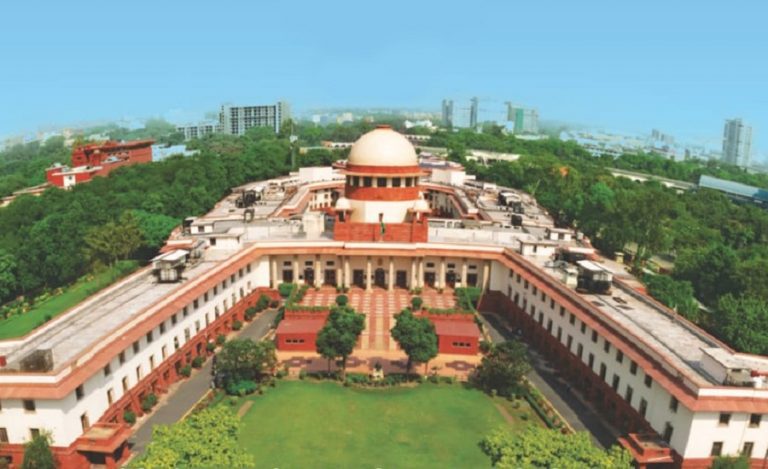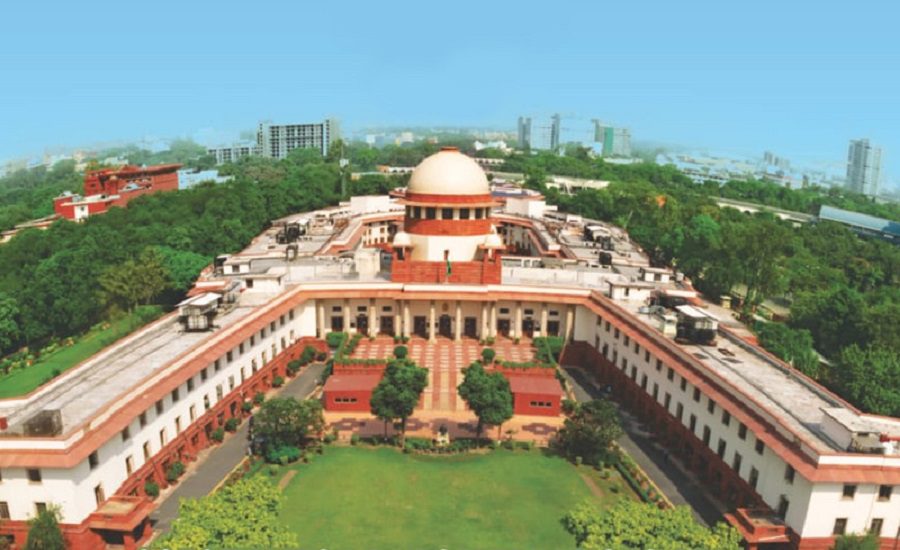
New Delhi: The Supreme Court Advocates-on-Record Association (SCAORA) has approached the Supreme Court of India seeking an independent investigation into the alleged illegal detention and manhandling of lawyers by Delhi Police during a protest in New Delhi on October 10, 2026.
The SCAORA Supreme Court petition seeks accountability for the alleged police excesses, preservation of evidence and protection of lawyers’ constitutional rights. The protest was held against Chief Election Commissioner Gyanesh Kumar and the Special Intensive Revision (SIR) of electoral rolls. The association has also raised concerns about internet restrictions and their impact on access to justice.
SCAORA Seeks Independent And Time-Bound Investigation in CEC Protest Case
SCAORA has asked the Supreme Court to order an independent, impartial and time-bound inquiry into the incident involving lawyers who participated in a protest march near the Supreme Court.
Read also: Kerala Assembly to Seek CEC Gyanesh Kumar’s Removal: Can a State Legislature Initiate Impeachment?
According to the petition, several advocates, including senior lawyers, women lawyers and Advocates-on-Record, were allegedly detained and subjected to excessive force by Delhi Police.
The association wants the authorities to identify the police personnel involved and take appropriate action against those found responsible, in accordance with the law.
The petition argues that allegations of police misconduct must be examined fairly and that all relevant evidence should be protected to ensure an effective investigation.
What Happened During The October 10 CEC Protest Protest
The incident took place on October 10, 2026, when lawyers participated in a protest march against Chief Election Commissioner Gyanesh Kumar and the Special Intensive Revision of electoral rolls.
According to the petition, Delhi Police personnel stopped the lawyers and took them to the Yamuna Sports Complex in Surajmal Vihar, New Delhi. Advocates-on-Record Pyoli and Shashank Raj Singh were among those reportedly detained during the police action.
The petition alleges that the lawyers were participating in a peaceful protest when the detentions and use of force took place. These allegations are claims made in the legal petition and are subject to examination by the competent authorities.
Petition Raises Allegations Of Manhandling And Injuries
The plea refers to video footage that allegedly shows Senior Advocate Shadan Farasat being carried by his arms and legs by police personnel. It claims that his shirt was torn during the incident.
The petition also alleges that women advocates, including Anna Oomen and Anne Mathew, were manhandled by women police personnel who were not displaying name tags. It further states that one advocate suffered an injury that resulted in a dislocated shoulder.
SCAORA has asked for the incident to be investigated and for the available video recordings and other evidence to be preserved. The allegations have not been treated here as established findings of wrongdoing.
SCAORA Invokes Constitutional Rights Under Articles 14, 19 And 21
The association has argued that maintaining public order cannot justify arbitrary detention or the disproportionate use of force.
The petition refers to Articles 14, 19 and 21 of the Constitution of India, which protect equality before the law, specified freedoms including peaceful assembly subject to constitutional restrictions, and life and personal liberty.
According to SCAORA, police action must satisfy the requirements of legality, necessity, proportionality and accountability. The plea also argues that peaceful protest and the expression of dissent should not be discouraged through intimidation or excessive force.
The association has urged the Supreme Court to ensure that law-enforcement measures remain consistent with constitutional protections.
SCAORA Seeks Preservation Of CCTV And Other Evidence
One of the key demands in the petition is the preservation and production of all evidence connected with the October 10 incident. The association has specifically sought access to the following material:
- CCTV footage from relevant locations.
- Police body-camera recordings.
- Drone footage, if available.
- Photographs and video recordings of the protest.
- Detention registers and related records.
- Police deployment records.
- Relevant electronic communications.
SCAORA argues that these records are necessary to establish the sequence of events and determine whether the police action was lawful and proportionate.
It has also warned that the loss or destruction of evidence could make it harder to identify those responsible and conduct an effective inquiry.
Petition Questions The Recording And Use Of Protesters’ Images
The plea has raised concerns about the collection, recording, storage, identification, circulation and use of photographs and video recordings of lawyers and other protest participants. SCAORA has sought disclosure of the legal authority and justification for these activities.
The association argues that recording equipment used during protests, even for legitimate law-enforcement purposes, must operate within the law and serve lawful objectives.
This request brings the handling of personal images and recordings into the wider dispute over police powers, accountability and the rights of people participating in peaceful demonstrations.
CEC Protest: Internet Restrictions And Disruptions To Legal Work
The petition has also raised concerns about internet shutdowns and disruptions to internet and telecommunication services on October 10.
According to SCAORA, such restrictions can affect lawyers’ ability to communicate with clients, file court documents and participate in virtual hearings.
The association argues that uninterrupted access to essential communication services is important for the proper functioning of courts and the administration of justice.
It has therefore sought directions to ensure that internet and telecommunication restrictions do not arbitrarily interfere with court proceedings or access to legal representation. The issue is significant because disruptions to legal communication may affect not only lawyers but also litigants who depend on them for advice and representation.
SCAORA Seeks Protection Against Retaliation
The association has also requested protection for advocates against retaliation, intimidation, harassment or coercive action solely because they participated in peaceful protests or expressed lawful professional grievances.
The plea states that lawyers must be able to perform their professional duties without unlawful interference. It argues that preventing advocates from accessing courts or assisting clients could harm the wider justice system and the rights of people involved in legal proceedings.
SCAORA has stressed that lawyers play an important role in the administration of justice and that their ability to represent clients must be protected.
The petition has been filed through Advocate-on-Record Anas Tanwir.
CEC Protest: Supreme Court Had Already Addressed Lawyers’ Concerns On October 11
The SCAORA petition came after the Supreme Court held a special sitting on Sunday, October 11, 2026, amid concerns over restrictions and police action connected with the Delhi protests.
During the hearing in a related matter, the Court said lawyers, journalists and other professionals should not be obstructed from performing their professional duties.
The Court recorded an assurance from Solicitor General Tushar Mehta, given on instructions, that these professionals would not be prevented from carrying out their work. It also directed that the free movement of people across Delhi should be permitted, subject to traffic regulations.
The proceedings also addressed concerns about public transport, internet services and movement restrictions during the protests.
These directions were reported in the related case of Shailendra Mani Tripathi v. Govind Mohan. They should be distinguished from the separate investigation and evidence-preservation requests made in SCAORA’s petition.
FAQs
SCAORA has sought preservation of CCTV footage, police body-camera recordings, drone footage, photographs, videos, detention registers, police deployment records and relevant electronic communications connected with the incident.
SCAORA has approached the Supreme Court seeking an independent and time-bound investigation into the alleged illegal detention and manhandling of lawyers by Delhi Police during the October 10, 2026, protest in New Delhi.
SCAORA has referred to Articles 14, 19 and 21 of the Constitution of India, concerning equality before the law, specified freedoms including peaceful assembly subject to legal restrictions, and life and personal liberty.