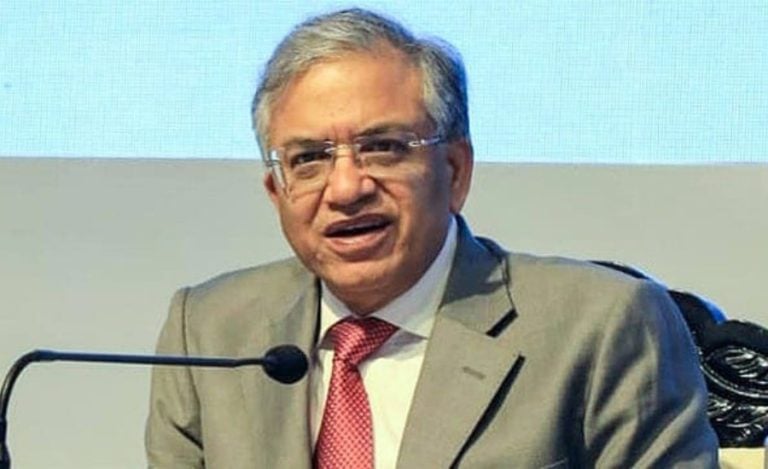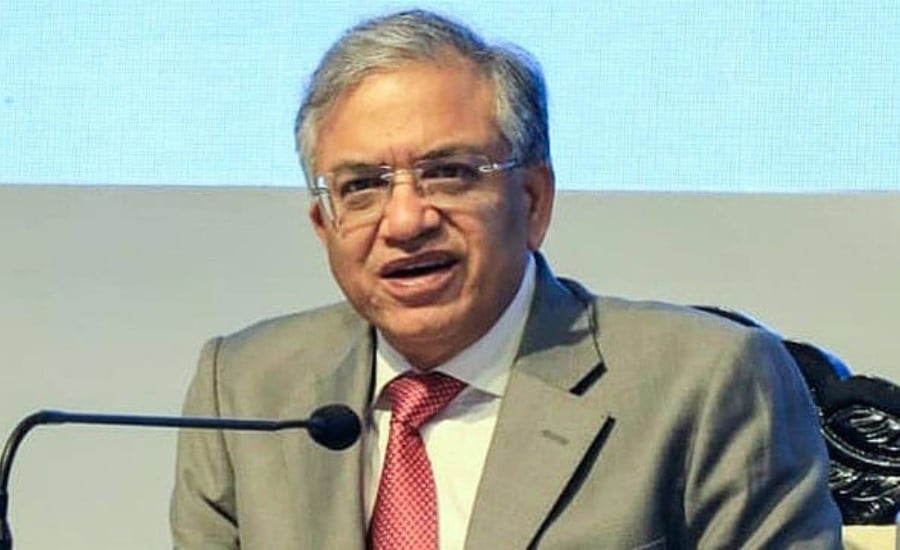
Thiruvananthapuram: The Kerala Legislative Assembly is set to consider a resolution seeking the removal of Chief Election Commissioner (CEC) Gyanesh Kumar, a former 1988-batch IAS officer of the Kerala cadre, intensifying the political dispute over the Election Commission of India’s functioning and the revision of electoral rolls.
Chief Minister V.D. Satheesan is scheduled to move the resolution on Monday, the opening day of the second session of the 16th Kerala Assembly. The Congress-led United Democratic Front (UDF) government has brought the proposal amid continuing opposition criticism of the Election Commission, particularly over the Special Intensive Revision (SIR) of electoral rolls.
The opposition Left Democratic Front (LDF) has also announced its support for the resolution, making its passage likely. If adopted, Kerala would become the first state Assembly to pass a resolution specifically seeking the removal of a Chief Election Commissioner.
Why Is Kerala Seeking Gyanesh Kumar’s Removal?
The resolution comes amid allegations by opposition parties that the electoral roll revision process has resulted in the exclusion of eligible voters and raised concerns about the Election Commission’s impartiality.
Read Also: Why A Supreme Court Petition Is Challenging CEC Gyanesh Kumar’s Appointment
According to reports, the resolution raises concerns over the removal of eligible voters during the SIR process without clear criteria or adequate prior notice. It calls for eligible voters who were wrongly excluded from electoral rolls to have their voting rights restored after the reported discrepancies are corrected.
The proposal also seeks changes to the committee responsible for selecting Election Commissioners. It calls for the inclusion of the Chief Justice of India alongside the Prime Minister and the Leader of the Opposition in the Lok Sabha.
The resolution argues that restoring confidence in the Election Commission requires addressing concerns about its impartiality and the electoral roll revision process. These remain allegations and demands advanced by the resolution’s proponents, rather than findings of a judicial proceeding.
Can a State Assembly Remove the Chief Election Commissioner?
No. A state Assembly cannot directly remove the Chief Election Commissioner.
The Constitution provides a specific procedure for removing the CEC. Under Article 324(5), the Chief Election Commissioner can be removed only in the same manner and on the same grounds as a judge of the Supreme Court.
The process requires both Houses of Parliament to pass an address seeking removal, supported by:
- A majority of the total membership of each House.
- A majority of at least two-thirds of the members present and voting in each House.
The address must be passed by both Houses in the same session before the President can remove the officeholder.
Consequently, even if Kerala’s Assembly adopts the resolution, it cannot itself remove Gyanesh Kumar from office. The resolution is a political and institutional appeal; it does not replace the constitutional removal procedure.
Is the Kerala Resolution an Impeachment Motion?
The terms resolution and impeachment should not be treated as interchangeable in this context.
The Kerala Assembly’s proposed resolution expresses the state legislature’s position and urges action against the CEC. It is not, by itself, the formal constitutional process required to remove him.
A removal motion against the CEC must proceed through Parliament under the constitutional framework applicable to Supreme Court judges. A state Assembly resolution cannot fulfil those requirements or automatically trigger the CEC’s removal.
Opposition MPs had previously submitted notices in Parliament seeking Kumar’s removal. Those notices were rejected by the presiding authorities of the Lok Sabha and Rajya Sabha in March 2026. Opposition parties subsequently pursued another notice in the Rajya Sabha in April, citing fresh allegations.
The latest move follows an earlier resolution passed by the Kerala Assembly in September 2025, when the state was governed by the Left Democratic Front.
That resolution opposed the nationwide rollout of the Special Intensive Revision of electoral rolls. It reflected concerns raised by the then state government about the potential consequences of the exercise.
The current proposal goes further by seeking action against the Chief Election Commissioner, while also demanding the restoration of voting rights for eligible voters excluded during the revision process and changes to the selection committee for Election Commissioners.
What Happens If the Resolution Is Passed?
If the Assembly adopts the resolution, it will formally record the legislature’s demand for action against the CEC and communicate its position on electoral roll revision and the appointment process for Election Commissioners.
However, the vote will not remove Kumar from office or compel his immediate removal. Any formal removal would still have to follow the procedure prescribed by the Constitution.
The proposed resolution therefore represents a state legislature’s political position on the functioning of a constitutional institution, rather than an alternative route for removing its head.