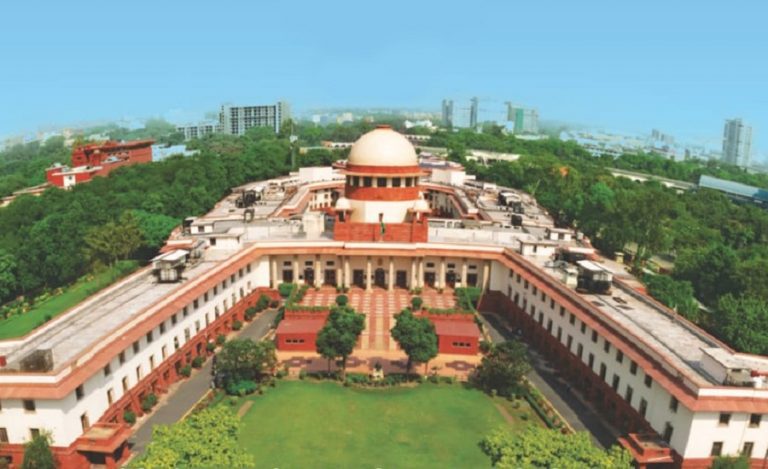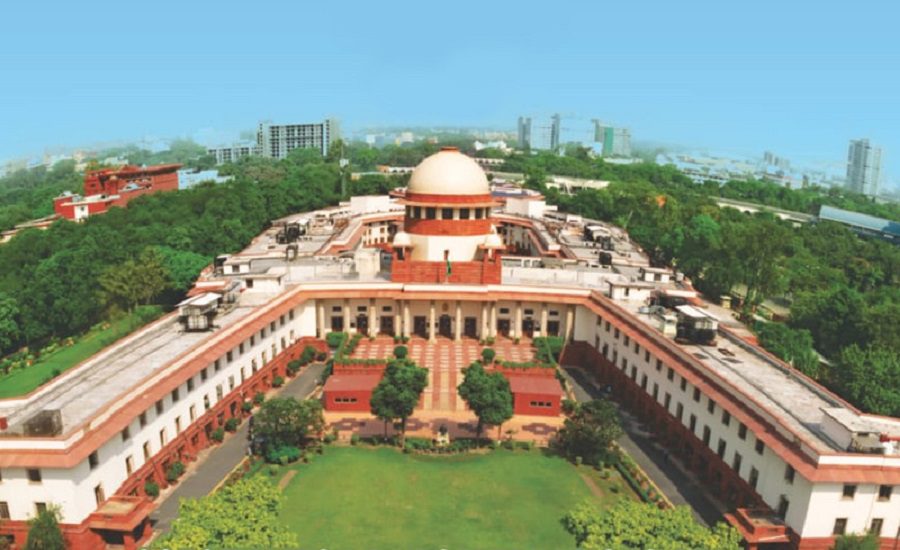
New Delhi: A petition filed in the Supreme Court challenges the CEC Gyanesh Kumar appointment and Election Commissioners Sukhbir Singh Sandhu and Vivek Joshi, alleging irregularities in the selection process under the 2023 law.
The petition alleges that the appointments may not have followed the procedure prescribed under the Chief Election Commissioner and Other Election Commissioners (Appointment, Conditions of Service and Term of Office) Act, 2023.
The case comes at a time when the Election Commission is already facing legal and political scrutiny over several election-related issues. However, the Supreme Court has not yet ruled on the merits of the allegations, and the claims remain subject to judicial examination.
Details of CEC Gyanesh Kumar Appointment Case
The petition was filed under Article 32 of the Constitution by Suri Payala. It seeks writs of quo warranto, asking the court to examine the legal authority under which Chief Election Commissioner Gyanesh Kumar and Election Commissioners Sukhbir Singh Sandhu and Vivek Joshi hold office.
Read also: Why A Supreme Court Plea Against CEC Gyanesh Kumar Is Making Headlines Across India
The petitioner has challenged the appointments made in March 2024 and February 2025, alleging non-compliance with Sections 5, 6, and 8(1) of the 2023 Act.
Challenge To Search Committee’s Selection Process
One of the main arguments relates to Section 6 of the 2023 Act. According to the petition, the Search Committee was required to prepare a panel of five candidates for each vacancy. When two Election Commissioner vacancies arose in March 2024, only six names were reportedly recommended instead of ten.
The plea relies on observations made by the Supreme Court in March 2024, where concerns were raised regarding the number of names recommended and the speed of the selection process.
Questions On Selection Procedure
The petition further alleges that the Selection Committee finalized appointments shortly after receiving the shortlist. According to the petitioner, this raises questions about whether the Search Committee’s recommendations fully met the requirements of the law.
CEC Gyanesh Kumar Appointment: Alleged Lack Of Election Management Experience
Another key issue raised in the petition concerns eligibility requirements. The 2023 law states that candidates should be persons of integrity with knowledge and experience in the management and conduct of elections.
Claims Regarding Publicly Available Records
The petitioner argues that publicly available records of Gyanesh Kumar, Sukhbir Singh Sandhu, and Vivek Joshi do not clearly show election management assignments before their appointments. The petition points to their previous administrative positions but claims that election-related responsibilities are not specifically identified in the publicly available profiles.
At the same time, the petition acknowledges that details of election-related assignments not available in public records may be with the Union Government and the Election Commission of India.
Challenge To 2025 CEC Gyanesh Kumar Appointment
The plea also challenges the February 2025 appointment of Gyanesh Kumar as Chief Election Commissioner. It argues that the legal requirements under the 2023 Act should have been followed independently for his elevation from Election Commissioner to Chief Election Commissioner.
Appointment Of Vivek Joshi As Election Commissioner
The petition similarly questions the appointment of Vivek Joshi as Election Commissioner. The petitioner contends that a fresh panel and transparent procedure should have been adopted before the appointment was finalized.
What Relief Has Been Sought
The petitioner has requested the Supreme Court to obtain and examine original records relating to the Search Committee and Selection Committee proceedings connected to the appointments. The plea states that RTI applications seeking appointment-related records remain pending. The petitioner has also sought safeguards for future appointments, including:
- Advance disclosure of selection criteria.
- A panel of five candidates for each vacancy.
- Recorded reasons for selecting candidates.
- Transparent procedures adopted before appointments are finalized.
CEC Gyanesh Kumar Appointment: Wider Debate Over The 2023 Appointment Law
The latest petition is linked to the broader debate surrounding the 2023 law governing appointments to the Election Commission.
The legislation changed the composition of the Selection Committee by replacing the Chief Justice of India with a Union Cabinet Minister nominated by the Prime Minister. The constitutional validity of the law remains under judicial consideration.
Legal proceedings related to the Election Commission’s appointment process continue before the Supreme Court, and no final decision has yet been delivered on these issues.
Read also: Supreme Court Directs Priority Hearing For Pension Cases After 10-Year Delay Shock
FAQs
A writ of quo warranto is a legal remedy through which a court examines whether a person legally holds a public office.
The petition alleges that the appointment process may not have fully complied with provisions of the Chief Election Commissioner and Other Election Commissioners Act, 2023.
No. The Supreme Court has not declared the appointments invalid. The matter has been raised through a petition, and the allegations are yet to be judicially examined.