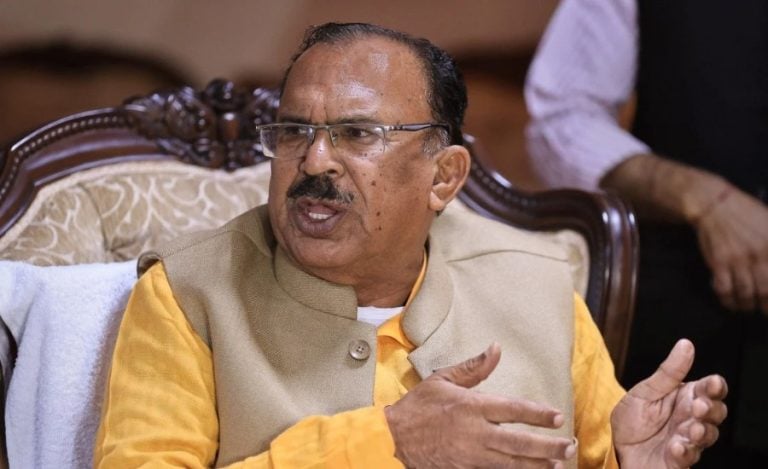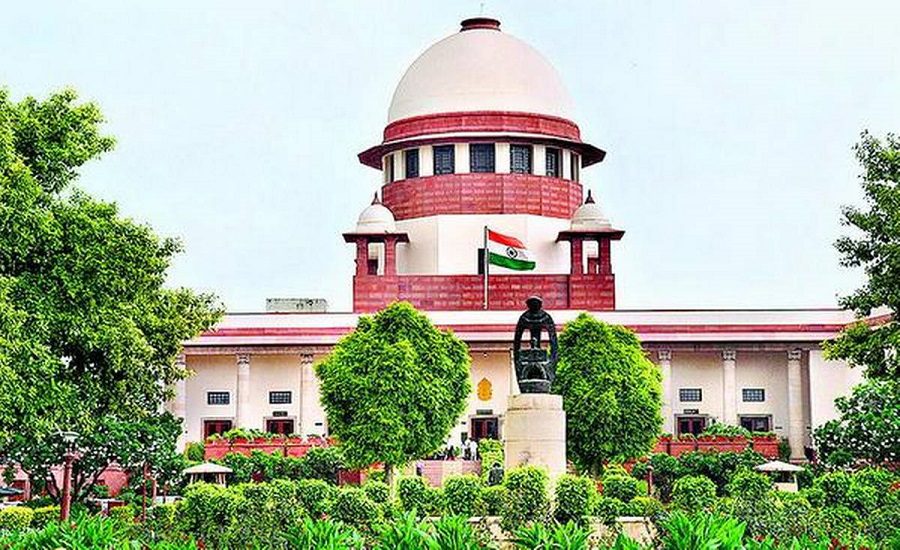
New Delhi: A petition has been filed in the Supreme Court seeking action against Chief Election Commissioner (CEC) Gyanesh Kumar over allegations of unilateral decision-making within the Election Commission of India (ECI). The plea claims that certain decisions related to electoral roll management, ECI’s digital systems, and voter inclusion were taken without following the views of other Election Commissioners. The Election Commission has rejected the allegations and stated that its decisions follow constitutional and legal procedures.
Details of CEC Gyanesh Kumar Petition Case
The petition was filed in the Supreme Court after concerns were raised regarding the functioning of the Election Commission.
Read also: Why Is The Supreme Court Reviewing The Election Commissioner Appointment Process Again
According to the plea, some key decisions were allegedly taken without proper consultation with the full Election Commission. The petitioner has sought prosecution of CEC Gyanesh Kumar and certain other officials for alleged breaches of official duty.
The petition also names Senior Deputy Election Commissioner Maneesh Garg, DG-IT Seema Khanna, and other officials. These allegations have not been proven in court and remain subject to judicial examination.
Allegations Made In The Petition
One of the main allegations relates to changes made to Form 6, which is used for voter registration. The petitioner claims that changes were introduced through the ECINet digital platform without a formal amendment to election rules. According to the plea, two Election Commissioners had reportedly objected to the changes. The petition argues that the modifications should not have been implemented without following the prescribed legal process.
Questions Over ECINet System
The plea also raises concerns about ECINet, the Election Commission’s digital electoral management platform.
According to the petitioner, the system allegedly centralized control over electoral roll data and limited the ability of local Electoral Registration Officers to independently access or modify records. The petition further claims that recommendations for an external audit of the system were not acted upon.
Concerns Regarding Voter Restoration
The plea refers to a case involving 97 voters in Goa. According to the petitioner, these voters could not be restored to electoral rolls because the software allegedly lacked a rollback or reversal mechanism. The petitioner argues that this affected eligible voters who should have been included in the rolls.
Allegations Related To West Bengal Appeals
The petition also mentions electoral roll appeals in West Bengal. According to the allegations, appeals were filed in the name of the Election Commission against voters whose names had been restored through a judicial process. The petitioner claims that some officials were allegedly unaware of these appeals and did not authorize them.
Why Does The Petition Mention Other Election Commissioners
The Election Commission is a multi-member constitutional body consisting of the Chief Election Commissioner and two Election Commissioners. Decisions are generally taken collectively, with the majority view prevailing when differences arise.
The petition argues that certain actions allegedly went against this principle and claims that recorded objections by other commissioners were not properly considered.
What Relief Has Been Sought
The petitioner has asked the court to direct the competent authority to register complaints and initiate prosecution against officials found responsible for alleged violations.
Independent Investigation
The petition seeks the formation of an independent Judicial Inquiry Commission or a Special Investigation Team (SIT). According to the plea, such a panel should include retired judges, cybersecurity experts, and IT specialists to examine ECINet and related electoral systems.
Review Of Electoral Roll Decisions
The petitioner has also requested:
- Restoration of decentralized access to electoral systems.
- Preservation of digital audit trails.
- Review of certain electoral roll modifications.
- Restoration of affected voters where applicable.
CEC Gyanesh Kumar Petition Case: Election Commission’s Response
The Election Commission has rejected the allegations. In its response, the Commission stated that all orders issued by the body carry legal authority and that discussions, observations, and internal consultations among members are part of normal institutional functioning. The ECI emphasized that it operates under constitutional provisions, statutory rules, and established institutional practices.
Who Is Gyanesh Kumar
- Birth and Background: Gyanesh Kumar was born on January 27, 1964, in Agra, Uttar Pradesh.
- Academic Qualifications: He graduated with a B.Tech in Civil Engineering from the Indian Institute of Technology (IIT), Kanpur in 1985. He later pursued studies in Business Finance from ICFAI and Environmental Economics at Harvard University.
Civil Services Career
IAS Cadre: He is a retired 1988-batch Indian Administrative Service (IAS) officer from the Kerala cadre.
State Administration: During his tenure in Kerala, he served in various capacities, including District Collector of Ernakulam, Municipal Commissioner of Cochin, and Secretary for diverse departments such as Public Works and Finance Resources.
Central Government Postings
- Served as Joint Secretary in the Ministry of Defence (Department of Defence Production).
- Played instrumental administrative roles in the Ministry of Home Affairs, where he was closely involved with policy work concerning the abrogation of Article 370 (Jammu & Kashmir reorganization) and the establishment of the Shri Ram Janmbhoomi Teerth Kshetra trust in Ayodhya.
- Served as Secretary in the Ministry of Parliamentary Affairs and the Ministry of Cooperation.
Chief Election Commissioner (CEC)
- Appointment: Following his retirement from active bureaucratic service in January 2024, he was appointed as an Election Commissioner in March 2024. He subsequently took charge as the 26th Chief Election Commissioner of India on February 19, 2025, becoming the first CEC appointed under the Chief Election Commissioner and Other Election Commissioners Act, 2023.
- Tenure Highlights: His tenure has overseen critical electoral updates, administrative implementations, and national election frameworks, alongside high-profile political dialogues surrounding voter roll revisions.
Read also: From Article 370 Removal to Ram Mandir: Who is Gyanesh Kumar, India’s Chief Election Commissioner?
FAQs
The petition alleges that certain Election Commission decisions related to electoral rolls and digital systems were taken without proper consultation with other Election Commissioners. The allegations are currently under judicial review.
ECINet is the Election Commission’s digital platform used for electoral management and voter-related processes. The petition raises concerns about how the system was used, while the ECI maintains that its operations follow legal procedures.
No. The Supreme Court has not made any finding of guilt. The matter is currently based on allegations raised in a legal petition and remains under judicial consideration.