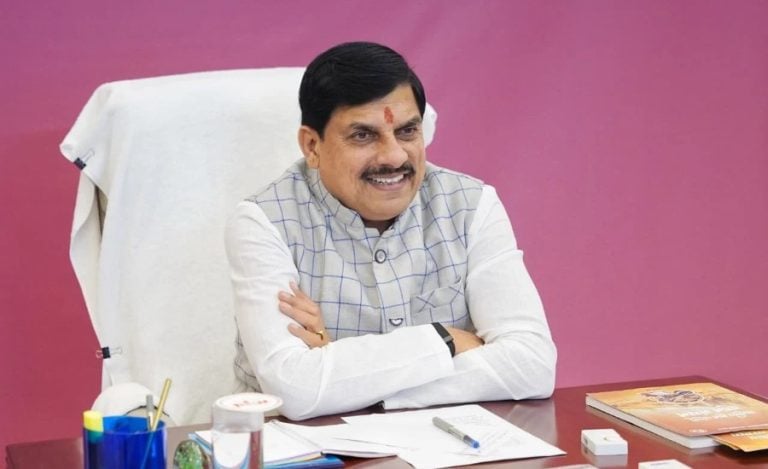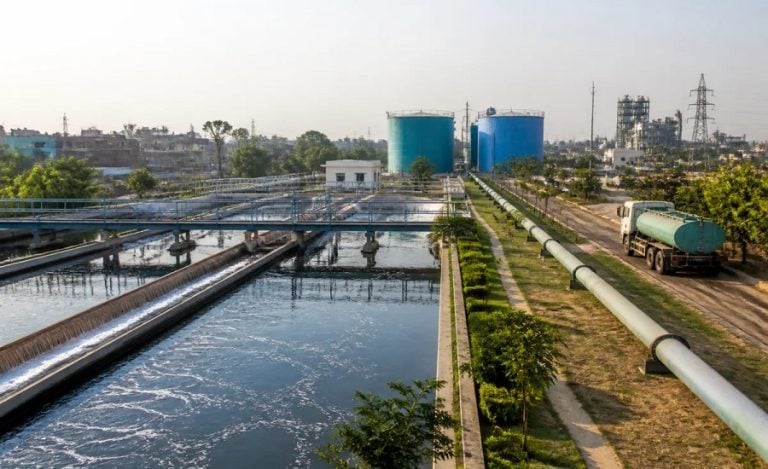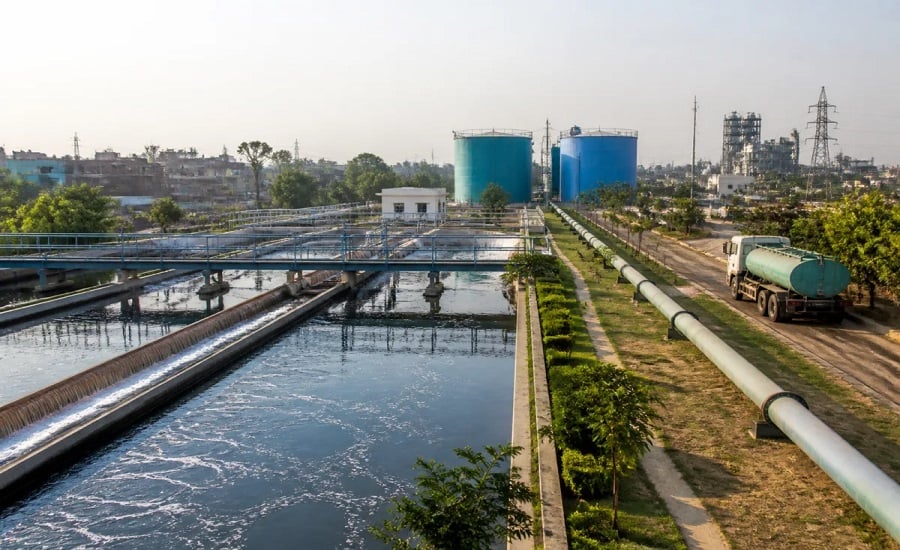
Bhopal: The Madhya Pradesh government, under the leadership of Chief Minister Dr. Mohan Yadav, has invited suggestions from experts and the general public on its draft policy titled Madhya Pradesh Treated Wastewater Recycling and Reuse Policy 2026.
The draft policy was officially released for public consultation at the Urban Growth Conclave 2.0, held at the Brilliant Convention Centre in Indore. The initiative aims to promote the effective utilisation of every drop of water and support the vision of a water-secure and developed Madhya Pradesh.
The government aims to strengthen water management and environmental protection by treating wastewater as a valuable resource rather than waste. The policy is also aligned with the broader vision of ‘Developed Madhya Pradesh@2047’.
Madhya Pradesh Wastewater Recycling Policy 2026: Key Targets
The proposed policy has been designed in response to rapid urbanisation, industrial expansion and the increasing demand for water across Madhya Pradesh.
It aims to reduce dependence on freshwater and groundwater by promoting the reuse of treated sewage for suitable non-drinking purposes.
One of the key provisions is to ensure 100% treatment of collected sewage in accordance with prescribed standards. The policy also sets time-bound targets for the reuse of treated wastewater.
The proposed treated wastewater reuse targets are:
- By 2027: 20% reuse of treated wastewater.
- By 2030: 30% reuse of treated wastewater.
- By 2037: 50% reuse of treated wastewater.
These targets are intended to encourage the systematic recycling and reuse of wastewater across urban and industrial sectors.
Read also: MP CM Mohan Yadav to Join Dhanteras Property Registration Drive in Morena, 20 Lakh Target Set
Treated Wastewater to Be Used in Industries, Construction and Irrigation
The draft policy proposes prioritising treated wastewater for various non-potable applications to reduce the use of freshwater resources.
The identified uses include:
- Industrial operations and processes.
- Construction activities.
- Gardens, parks and landscaping.
- Road cleaning and maintenance.
- Toilet flushing.
- Firefighting activities.
- Suitable agricultural and irrigation purposes.
By encouraging these applications, the government aims to increase the demand for treated wastewater and establish a sustainable water reuse system across the state.
Public Health and Environmental Safety Under Wastewater Reuse Policy
The draft policy places emphasis on public health and environmental protection through strict water quality standards and regular monitoring.
It proposes a separate water distribution system through dual-pipeline infrastructure to ensure that treated wastewater remains completely separated from drinking water supply networks.
Regular monitoring and compliance with prescribed quality standards will be important components of the proposed system. These measures are intended to ensure the safe use of treated wastewater for designated purposes while protecting public health and the environment.
Infrastructure Development to Create Investment and Employment Opportunities
The proposed policy also focuses on developing the infrastructure required for the storage, transportation and distribution of treated wastewater.
Key infrastructure components include:
- Treated wastewater storage facilities.
- Transportation and distribution networks.
- Tanker filling stations.
- Dual-pipeline systems for separate water distribution.
The development of these facilities is expected to create new investment opportunities and generate employment across the state. It will also support the expansion of wastewater recycling infrastructure in urban areas.
PPP Model and Financial Sustainability for Water Recycling Projects
To ensure the financial sustainability of wastewater recycling projects, the draft policy proposes multiple funding and revenue-generation mechanisms.
These include public-private partnerships (PPP), Central and State government schemes, Corporate Social Responsibility (CSR) funding and revenue generated through the sale of treated wastewater.
The proposed financing framework is intended to encourage private sector participation and support the long-term development and operation of wastewater treatment, storage and distribution infrastructure.
High-Level Monitoring Mechanism Proposed for Policy Implementation
The draft policy also proposes a strong institutional framework to ensure effective implementation and regular monitoring.
A state-level high-powered steering committee and a technical cell will be established to oversee key aspects of the policy.
Their responsibilities will include:
- Ensuring coordination among different government departments.
- Assessing treated wastewater demand across sectors.
- Determining rates for treated wastewater.
- Monitoring implementation and progress.
- Supporting technical planning and policy execution.
This institutional mechanism is expected to strengthen coordination and ensure that the proposed wastewater recycling targets are achieved within the specified timelines.
Madhya Pradesh Aims to Become a Water-Secure State
The Madhya Pradesh Treated Wastewater Recycling and Reuse Policy 2026 is expected to play an important role in water conservation, environmental improvement and the efficiency of urban services.
By converting treated wastewater into a valuable resource, the proposed framework aims to reduce pressure on conventional water sources and promote sustainable water management.
The Urban Growth Conclave 2.0 is also expected to strengthen cooperation among the government, industries and private investors, creating opportunities for investment in wastewater treatment and recycling projects.
Through the proposed policy, the Madhya Pradesh government aims to advance its vision of a water-secure, environmentally sustainable and developed state.