New Delhi: Student protest FIRs became a major national issue after cases were filed against thousands of students who participated in protests over the alleged NEET paper leak controversy.
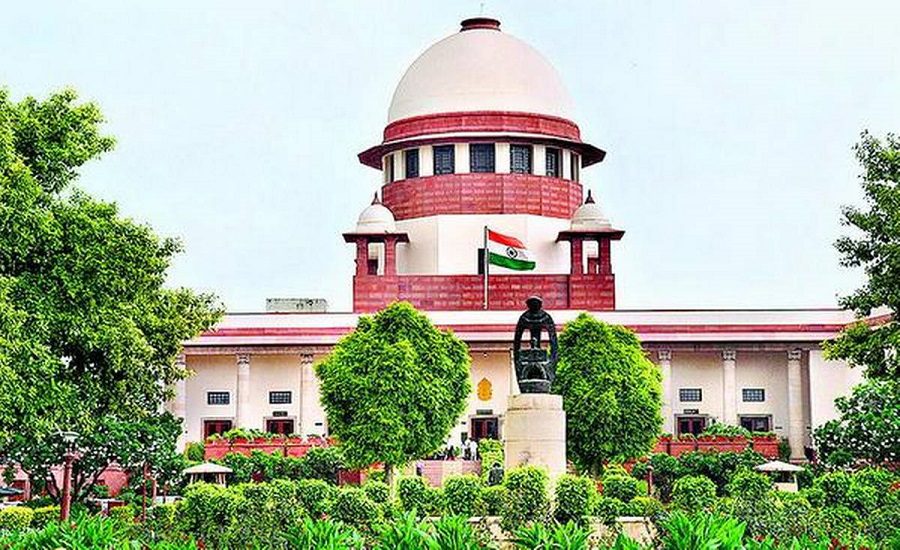
In a significant relief for students, the Supreme Court of India has ordered the closure of FIRs related to the protests and directed that no further investigation be carried out. The decision was made using the Court’s special powers under Article 142 of the Constitution, with judges emphasizing the future prospects of young students.
Supreme Court Quashes Student Protest FIRs
The Supreme Court directed that all FIRs registered across states and Union Territories in connection with the student protests held between July 20 and July 25, 2026, should be treated as closed.
The Court stated that these cases should not be pursued further and no additional investigation should continue in relation to the protests.
Student Protest FIRs: Relief For Thousands Of Students
The order provides major relief to students who participated in demonstrations against the alleged examination paper leak issue. The bench noted that the decision was taken while considering the future of students who joined the protests in good faith.
Student Protest FIRs Issue: Article 142 Powers Invoked By Supreme Court
Article 142 of the Constitution gives the Supreme Court special authority to pass orders necessary for ensuring complete justice in a case. Using these powers, the Court ordered the closure of FIRs filed in multiple states against student protesters.
Court Says Order Is Based On Special Circumstances
The Supreme Court clarified that the order was passed considering the unique facts and circumstances of the matter. The judges indicated that the ruling should not automatically be treated as a precedent for future cases.
Which States Were Involved
According to court proceedings, FIRs had been registered in several states and regions, including:
- Delhi
- Bihar
- Maharashtra
- Assam
- West Bengal
The Centre and multiple state governments supported the move to withdraw or quash these cases before the Supreme Court.
No Fresh Student Protest FIRs To Be Registered
The Supreme Court further directed that no fresh FIRs should be registered by any state or Union Territory in connection with incidents arising out of the student protests. This direction aims to prevent further legal action against students over the same events.
Student Protest FIRs: September 5 Protest March Called Off
Earlier, the Cockroach Janta Party (CJP), which had supported the student movement, announced a protest march to be held on September 5 in New Delhi. However, after the Centre’s assurances and the Supreme Court’s order, the organization decided to withdraw the planned march.
Statement By CJP Leaders
CJP representatives informed the Court that they were satisfied with the government’s assurances and the judicial directions issued by the Supreme Court. They stated that the proposed march would no longer be necessary if the court’s orders were implemented properly.
Cases Against Alleged Violent Elements May Continue
While FIRs against student protesters were quashed, reports indicate that authorities may continue legal proceedings against certain individuals accused of involvement in violent activities during the protests. The government had sought permission for action against specific persons allegedly linked to criminal acts during the unrest.
Why This Verdict Is Important
The Supreme Court emphasized that the future of students should not be adversely affected because of their participation in protests. The judgment is being viewed as a significant step toward balancing democratic expression and legal accountability.
Impact On The Justice System
Legal experts believe the decision highlights the Supreme Court’s willingness to use constitutional powers to ensure fairness and prevent unnecessary criminal proceedings against young people.
Read also: NEET-UG 2026 Paper Leak Case: Future of NEET in Question? Supreme Court Demands These Major Changes
FAQs
Yes. The Court directed that FIRs related to the student protests should be treated as closed and no further investigation should continue.
The Supreme Court used its powers under Article 142 to ensure complete justice and protect the future of students who participated in the protests.
Yes. Reports indicate that authorities may continue proceedings against individuals accused of involvement in violent or criminal acts during the protests.