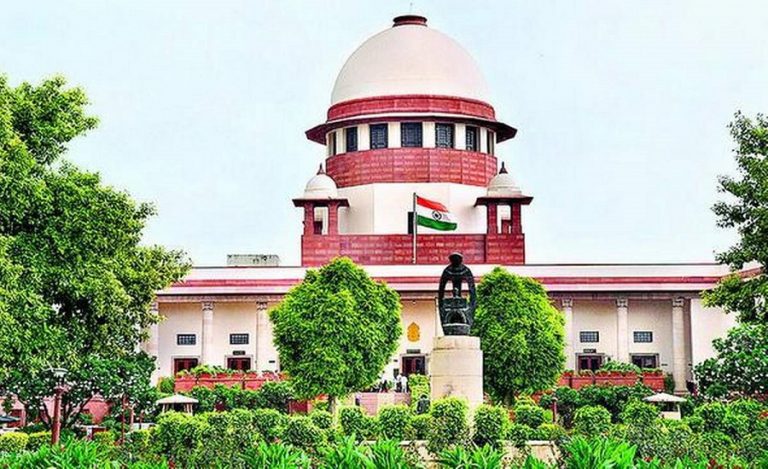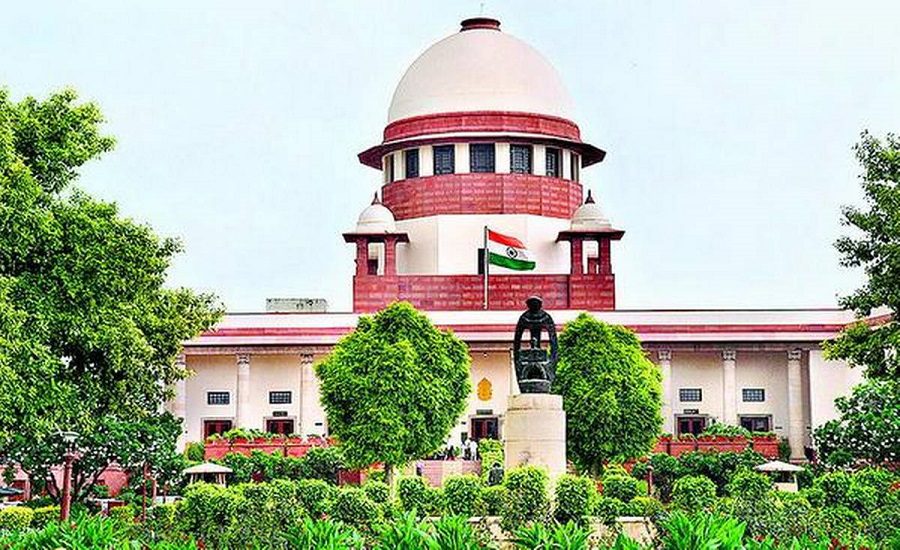
New Delhi: The Sabarimala dispute has once again come into focus as the supreme court examines critical constitutional questions around religion and law. The case is not just about one temple, but about how religious freedom, equality, and constitutional values should work together in a modern democracy.
The Supreme Court constitutional bench is now hearing arguments that could impact many similar religious practices across India. The outcome may redefine the balance between faith and fundamental rights.
What Is the Sabarimala Dispute
The Sabarimala temple issue began when restrictions were placed on the entry of women of a certain age group (10–50 years).
- In 2018, the Supreme Court allowed entry of women of all ages.
- This decision led to protests and review petitions.
- The matter was later referred to a larger constitutional bench to examine broader questions.
Now, the court is not just deciding on Sabarimala, but also on similar religious practices across religions.
Why Is Sabarimala Dispute Important
This case goes beyond one temple. It raises a bigger question:
Should religious traditions be protected, or should constitutional rights come first?
The decision could affect:
- Temple entry rules
- Religious customs
- Gender equality issues
- Rights of religious groups
Sabarimala Dispute: The 7 Key Constitutional Questions Explained
1. What Is the Scope of Religious Freedom?
The court is examining how far Article 25 (freedom of religion) can go.
- Can religious practices override equality laws?
- Or must they follow constitutional principles?
2. What Are the Limits of Article 25?
Article 25 gives freedom to practice religion, but it is not absolute.
It is subject to:
- Public order
- Morality
- Health
The court must decide where to draw the line.
3. Conflict Between Individual and Group Rights
Another key issue is:
- Individual rights (like women’s equality)
vs - Rights of religious denominations
Which one should get priority?
4. What Is an Essential Religious Practice?
The court uses the “essential religious practice” test to decide:
- Is a practice fundamental to religion?
- Or is it optional/customary?
This question is central to the Sabarimala case.
5. Role of Courts in Religious Matters
Should courts interfere in religious traditions?
The bench is debating:
- Whether courts should decide what is essential to a religion
- Or leave it to religious communities
6. Equality vs Tradition
This is the most sensitive issue.
- Article 14 (Equality) says everyone is equal
- Some traditions restrict participation
The court must decide:
“Can tradition justify discrimination?”
7. Impact on Other Religious Practices
The decision will not be limited to Sabarimala.
It may affect:
- Entry rules in other temples
- Practices in mosques, churches, and other places
- Gender-based restrictions in religion
What Happened in the Latest Hearing?
- A constitutional bench of Supreme Court judges heard arguments.
- Senior lawyers presented views on both sides.
- The government also shared its position.
The court indicated that its decision will have wide legal and social impact.
Government’s Stand on Sabarimala Dispute
The central government has said that:
- The issue involves deep religious beliefs
- Any decision must consider faith and social harmony
What Happens Next?
The Supreme Court will:
- Continue hearings
- Analyze all constitutional questions
- Deliver a judgment that may set a historic precedent
Conclusion
The Supreme Court Sabarimala dispute is not just a legal battle—it is a test of India’s constitutional values. The final verdict will shape how religion and law coexist in the country. Whether equality or tradition takes priority will define the future of many similar cases.
Read also: No More Endless Queues! Aadhaar Correction Declared a Fundamental Right by Madras HC