Bengaluru: The Karnataka government has presented its programmes for protecting the rights and improving the social and economic participation of persons with disabilities to United Nations Special Rapporteur on the Rights of Persons with Disabilities Heba Hagrass during her visit to Bengaluru on November 20 and 21.
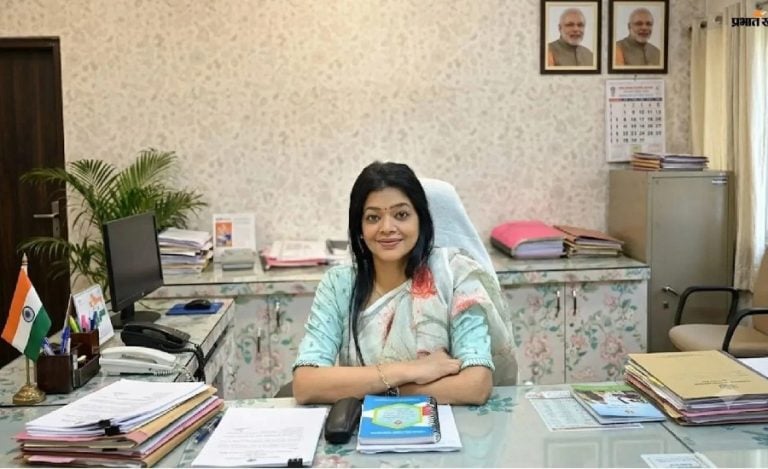
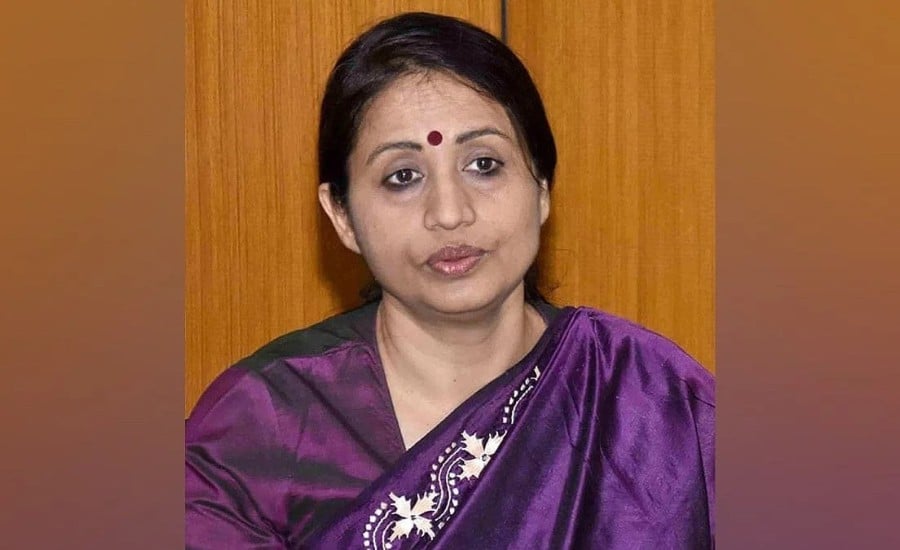
At an interactive meeting held at Vidhana Soudha, Chief Secretary Shalini Rajneesh (IAS: 1989: KN), Additional Chief Secretary and Development Commissioner Uma Mahadevan (IAS: 1992: KN), and senior officials from various departments outlined the state’s initiatives, reported achievements and implementation challenges.
The presentation covered employment opportunities, social security, healthcare, rehabilitation, education, assistive technology and accessibility.
According to the state government’s report, 11,120 persons with disabilities are currently employed in government services. Karnataka also highlighted its employment reservation policy, under which 4% of posts in Groups A and B and 5% in Groups C and D are reserved for persons with disabilities.
11,120 Persons with Disabilities Employed in Government Services
Employment and economic participation formed an important part of Karnataka’s presentation.
Read Also: Karnataka Orders Police Examination of Blackmail Allegations Against Power TV Over Sting Operations
The government reported that 11,120 persons with disabilities are working in state government services. It also highlighted the reservation provisions applicable to different categories of government posts.
Key Employment and Reservation Figures
- Group A and B posts: 4% reservation.
- Group C and D posts: 5% reservation.
- Government employees with disabilities: 11,120.
- Posts identified: 1,98,762 across 89 departments.
- Notifications issued: 126.
The state also highlighted a 5% reservation in education, grants to local bodies, poverty alleviation programmes and allotment of Bangalore Development Authority (BDA) and government sites. A 25% concession in site prices was also reported.
Nearly 9.78 Lakh UDID Cards Issued
Karnataka informed the UN representative that it had distributed 9,77,884 Unique Disability ID (UDID) cards to persons with disabilities.
The UDID initiative provides a standardised identification document intended to make it easier for beneficiaries to access government schemes and services.
The government also highlighted its financial assistance programmes:
- More than five lakh persons with disabilities receive monthly maintenance pensions of ₹1,400.
- More than one lakh persons with severe intellectual disabilities receive monthly pensions of ₹2,000.
- Monthly allowances are provided to 10,835 caregivers.
- Childcare allowances are provided to 1,620 visually impaired mothers.
- More than 11 lakh persons with disabilities have been provided free bus passes.
These measures form part of the state’s social security support for persons with disabilities and their families.
Rehabilitation Centres Provide Services to Thousands of Children and Adults
The government also presented details of its early intervention and rehabilitation infrastructure.
According to the information shared at the meeting, 18 District Early Intervention Centres (DEICs) were functioning across Karnataka’s 31 districts. Between April and October 2026, these centres provided treatment and rehabilitation services to 20,601 children.
The state also reported that 18 District Disability Rehabilitation Centres (DDRCs) had served 2,77,492 persons with disabilities.
Key Rehabilitation Initiatives
- 18 District Early Intervention Centres were operational.
- 20,601 children received treatment and rehabilitation between April and October 2026.
- 18 District Disability Rehabilitation Centres had served 2,77,492 persons.
- The government reported initiatives covering all 21 recognised categories of disabilities.
The state also highlighted the adoption of 172 children with special needs. Of these, 35 were adopted domestically and 137 internationally.
Assistive Devices Distributed to Beneficiaries
Karnataka presented its efforts to improve mobility, communication and access to education through the distribution of assistive devices.
The government reported distributing:
- 17,408 motorised two-wheelers and three-wheelers.
- 955 battery-operated wheelchairs.
- 4,422 talking laptops.
- 2,079 Braille kits.
- 39,194 other assistive devices.
- 2,370 sewing machines.
The initiatives are intended to support mobility, education, communication and livelihood opportunities for beneficiaries.
The government also highlighted efforts to make public facilities and information services more accessible.
Healthcare and Insurance Support for Persons with Disabilities
Healthcare services and financial assistance for medical needs were another part of the presentation.
Under the Niramaya Health Insurance Scheme, 1,02,414 persons with disabilities had benefited, according to the figures shared by the state.
Additionally:
- 712 beneficiaries received surgical assistance.
- 15,317 persons availed loans under the Adhara Self-Employment Loan Scheme.
- 8,296 beneficiaries received marriage incentives.
The meeting also included presentations on mental healthcare and rehabilitation services.
Health Department officials highlighted community-based mental healthcare initiatives, including the Ballari Model and the District Mental Health Programme operating across all 31 districts.
Services are also being provided through more than 170 taluk hospitals. The state’s Tele-MANAS helpline, available at 14416, had responded to approximately 1.2 lakh calls, according to the presentation.
Digital Accessibility and Inclusive Education
The government also highlighted initiatives to improve access to educational and information resources.
The Rural Development Department had converted 5,888 Gram Panchayat libraries into digital centres. These facilities include accessibility features such as voice-assistant technology, beacon-based library systems and USB text readers.
The state reported that:
- 350 digital centres had Alexa voice-assistant facilities.
- 800 centres had beacon-based library systems.
- 1,043 students with disabilities were studying in government colleges.
- Eligible girl students with disabilities received complete fee exemptions.
The government also stated that employees with disabilities were provided transfer protection.
A sensory park has also been established at Bal Bhavan in Bengaluru as part of efforts to improve accessible recreational facilities.
Disaster Preparedness and Institutional Coordination
The meeting also addressed the need to include persons with disabilities in disaster preparedness and emergency response systems.
The Revenue Department outlined measures such as collecting and mapping information about persons with disabilities living in flood- and landslide-prone villages.
Other measures include providing ramps and accessible toilets in school-based shelter centres, conducting mock drills and coordinating with agencies such as UNICEF.
The presentation also covered the role of educational institutions and healthcare organisations in improving rehabilitation and support services.
Six-Point Action Plan Discussed During UN Representative’s Visit
Alongside the presentation of existing initiatives, the meeting examined implementation challenges and discussed a proposed six-point action plan.
The proposed measures include:
- Integrating disability-related data maintained by different government departments.
- Developing special schools as Satellite Resource Centres.
- Strengthening special cells in universities.
- Starting the remaining 13 District Early Intervention Centres.
- Starting the remaining 13 District Disability Rehabilitation Centres.
- Improving coordination among departments to strengthen service delivery.
The proposed measures are intended to address gaps in the existing support system and improve access to services.
Who Is UN Special Rapporteur Heba Hagrass?
Heba Hagrass is the United Nations Special Rapporteur on the Rights of Persons with Disabilities. Appointed by the UN Human Rights Council in November 2023, she works on promoting and monitoring the rights of persons with disabilities.
Her official visit to India took place from November 16 to 25, 2026, at the invitation of the Government of India.
During the visit, she engaged with government authorities, institutions, civil society organisations and persons with disabilities to examine the country’s progress, identify barriers and discuss measures for strengthening disability rights.
Her Bengaluru visit provided Karnataka with an opportunity to present its welfare programmes, institutional arrangements and implementation challenges as part of the broader assessment of disability rights in India.
Read Also: GAIL Holds GOBARdhan Workshop in Karnataka to Boost CBG Projects and Bioenergy Investments