Patna: A dairy enterprise led by rural women in Bihar’s Kosi region has grown into a ₹145-crore business, showing how organised milk production and market access can turn traditional livestock rearing into a sustainable source of income.
The Kaushiki Mahila Milk Producer Company Limited, established in Saharsa in 2017, now has 49,344 women members across five districts. Its turnover reached ₹145.01 crore in 2025-26, while payments made to milk producers rose to ₹113.10 crore during the same year.
The growth has brought thousands of rural women into an organised dairy value chain, giving them access to milk procurement, animal-care services and established markets.
From Saharsa to Five Districts
The Kaushiki Mahila Milk Producer Company was established in Saharsa in September 2017, while its commercial operations began in October 2018.
The initial plan focused on developing the dairy value chain in Saharsa, Supaul and Madhepura. The company later expanded its operations to Khagaria and Munger, bringing more women dairy producers into the network.
The company has received financial support from Bihar JEEViKA and technical guidance from NDDB Dairy Services.
Its membership has increased sharply since the beginning. In 2019-20, the company had 16,656 women members. By August 2026, membership had risen to 49,344, almost three times the earlier figure.
This expansion has also resulted in a substantial increase in milk collection.
Read Also: Bihar Road Network Gets Push as Samrat Choudhary and Nitin Gadkari Review Key Projects
Daily Milk Collection Crosses 92,000 Kg
The average daily milk collection rose from 11,436 kg in 2019-20 to 94,180 kg, reflecting the expansion of the dairy network.
As of August 2026, the company had ₹479 lakh in share capital and operated across 53 blocks in five districts.
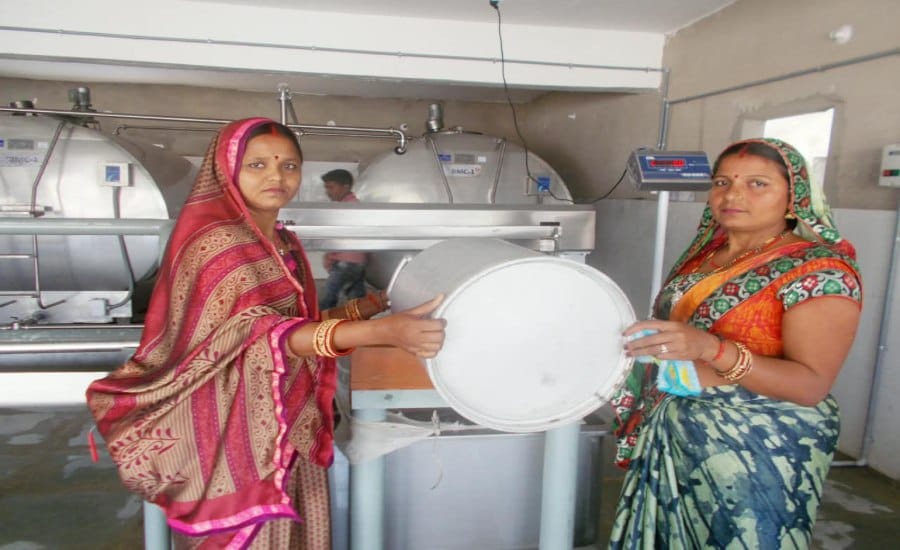
Its infrastructure includes 17 Bulk Milk Coolers and 1,192 operational milk procurement points. Through this network, the company currently collects an average of 92,218 kg of milk every day.
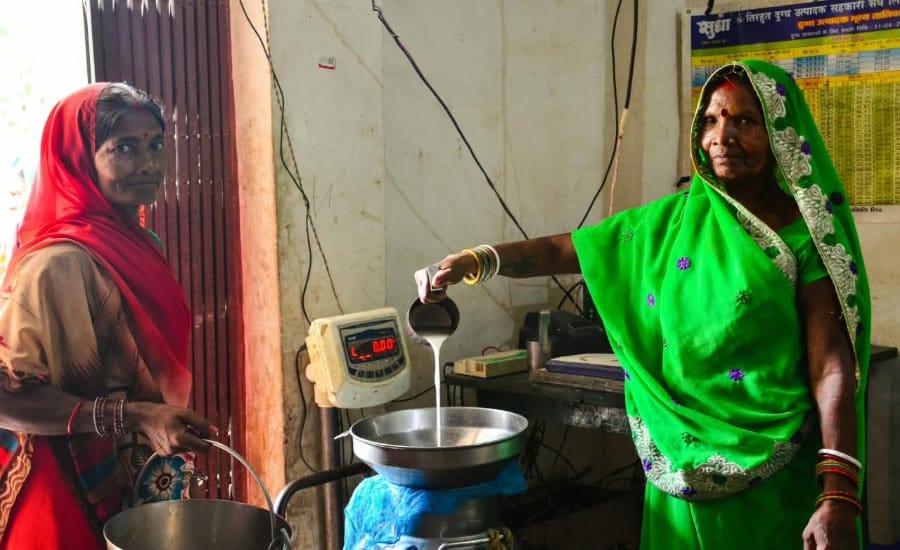
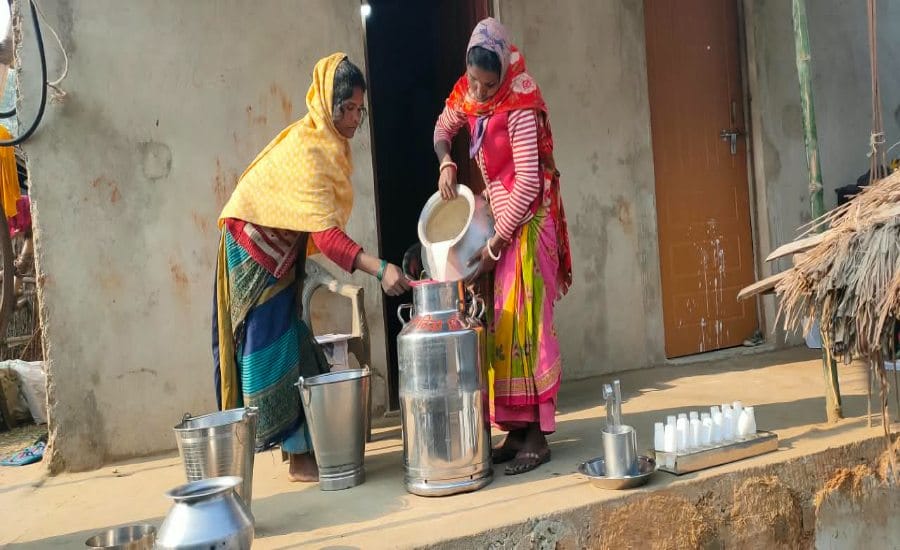
For rural women, the procurement network creates a structured channel through which milk produced at the household level can enter the formal dairy market.
Turnover Grows Nearly Ninefold
The company’s financial growth has been significant.
In 2019-20, its total turnover was ₹16.54 crore. By 2025-26, it had increased nearly 8.8 times to ₹145.01 crore.
The growth has continued into the current financial year. By August 2026, the company had already recorded ₹74.81 crore in turnover.
The increase in business has also translated into higher payments to milk producers. Payments rose from ₹14.38 crore in 2019-20 to ₹113.10 crore in 2025-26, an increase of nearly eight times.
This direct flow of income is important for rural households, where dairy can provide a regular source of earnings alongside agriculture.
Support Beyond Milk Procurement
Kaushiki’s work extends beyond collecting and selling milk. The company also provides services aimed at improving livestock productivity and supporting better dairy practices.
Members receive support related to artificial insemination, balanced cattle feed, mineral mixtures and green fodder.
By August 2026, members had supplied a cumulative 13.96 crore kg of milk through the company.
During the same period, the company facilitated:
- 1.97 lakh artificial inseminations
- 7,375 metric tonnes of cattle feed
- 129 metric tonnes of mineral mixture
- 139 metric tonnes of green fodder
Such support can help dairy households improve animal productivity and maintain a more consistent supply of milk.
How Dairy Is Becoming a Rural Enterprise
The growth of Kaushiki shows how traditional cattle rearing can evolve into an organised business when producers receive access to markets, technical support and collective procurement systems.
For many rural families, dairy farming works alongside agriculture and provides an additional source of income. Regular milk collection can also give women greater participation in household earnings and financial decisions.
The rise in membership from 16,656 to 49,344 indicates that the model has expanded considerably across the Kosi region and adjoining districts.
Women at the Centre of Bihar’s Dairy Economy
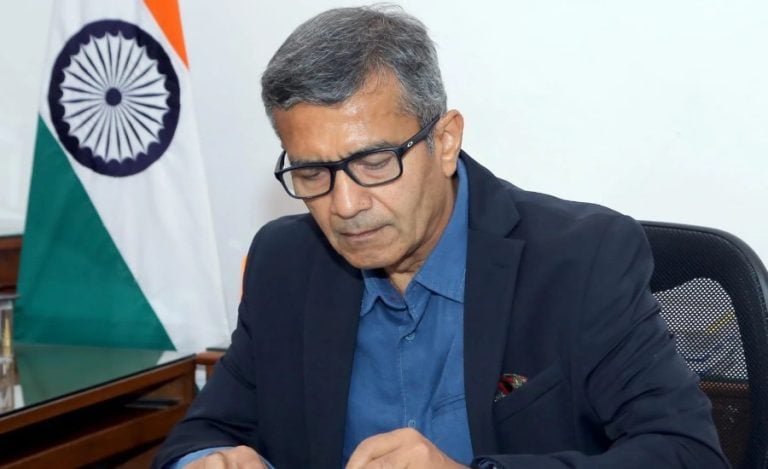
Rural Development and Information and Public Relations Minister Shravan Kumar described the Kaushiki Mahila Milk Producer Company as an example of women’s empowerment and collective entrepreneurship.
He said the state government is committed to strengthening the economic position of rural women and encouraging successful models that can contribute to the rural economy.
According to Kumar, Kaushiki’s experience shows how small individual efforts can create a larger economic impact when women producers are connected with organised systems and markets.
A Wider Impact on Rural Bihar
The numbers underline the scale of the transformation. In seven years, the company has expanded from 16,656 to 49,344 women members, while average daily milk collection has increased from 11,436 kg to more than 92,000 kg.
Its turnover has similarly climbed from ₹16.54 crore to ₹145.01 crore, while payments to milk producers have crossed ₹113 crore in a single financial year.
For Bihar’s rural economy, the significance goes beyond milk production. The Kaushiki model shows how women-led producer organisations can combine traditional livelihoods with organised business, technical support and reliable market access.
As more rural women participate in such collective enterprises, dairy can become not just a supplementary livelihood but a stronger pillar of household income and rural economic development.
Read Also: How Nitish Kumar Changed Bihar In Two Decades: Lalan Singh Explains