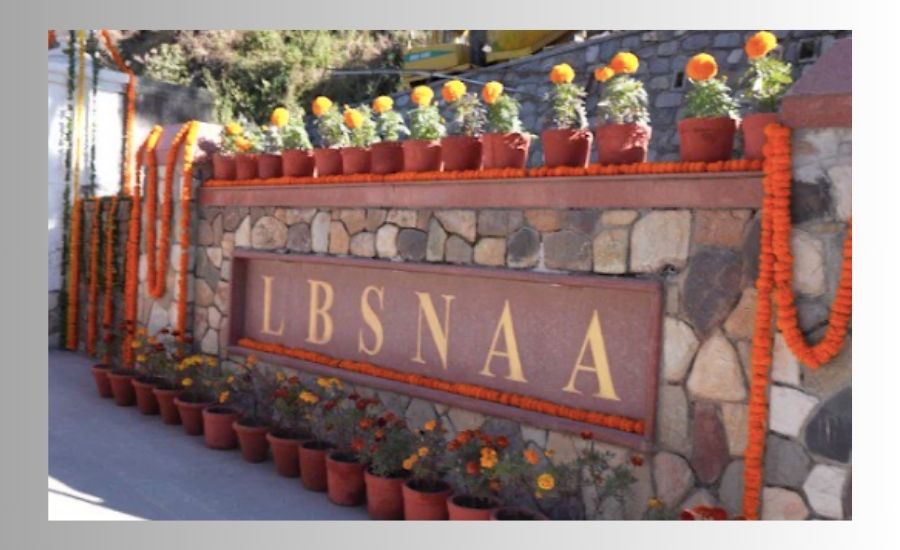
In a significant message to the new generation of civil servants, Lal Bahadur Shastri National Academy of Administration has advised newly recruited IAS and IPS officers to avoid social media self-promotion and refrain from projecting themselves as public personalities online.
The advisory, issued to fresh entrants undergoing training at the academy in Mussoorie, signals an institutional effort to restore emphasis on restraint, neutrality and professional conduct at a time when several young officers have built substantial digital visibility through platforms such as Instagram and X.
The move is being interpreted as a clear attempt to discourage what bureaucratic circles increasingly describe as “Insta Babu” culture — a trend in which officers gain popularity through curated social media content centered around official work, field visits and personal narratives.
LBSNAA Calls for Restraint in Digital Presence
According to the fresh guidance, probationary officers have been told that their online conduct must reflect the dignity, neutrality and institutional credibility expected from members of the civil services.
The academy stressed that officers are not merely individuals in public office but representatives of the state, and therefore every public action, statement or digital expression carries institutional implications.
Officials associated with the advisory indicated that while digital communication has become unavoidable, the line between professional communication and personal projection must remain clear.
Concern Over Growing ‘Viral Officer’ Trend
In recent years, several young officers across India have attracted large public followings through social media by posting videos, reels, photographs and personal commentary linked to their field assignments.
Some officers have become widely recognized online, often receiving celebrity-like attention for routine administrative work.
The academy’s advisory is seen as a response to this growing pattern, where bureaucratic visibility sometimes begins to resemble personal branding rather than institutional communication.
Why LBSNAA Is Concerned
Officials believe excessive self-promotion can gradually affect public perception of neutrality and create unnecessary focus on individual officers rather than institutions.
The concern is that public trust in administration must rest on impartial governance, not personality-driven visibility.
The academy has therefore cautioned that attempts to cultivate an individual image through social media may dilute the collective credibility of the civil services.
Civil Servants Must Protect Institutional Image
The guidelines underline that civil servants are constantly under public scrutiny and must remain conscious of how digital content may be interpreted.
Even seemingly harmless posts can trigger political readings, public controversy or allegations of self-serving conduct.
LBSNAA has reminded officers that the institutional image of services such as the IAS and IPS depends significantly on restraint and professional distance.
Avoid Controversial Posts and Impulsive Commentary
The advisory specifically emphasizes caution against:
• controversial online opinions
• impulsive commentary on current affairs
• politically sensitive observations
• content that appears self-congratulatory
• posts that may compromise neutrality
The academy has indicated that officers should think carefully before sharing any public content because digital records remain permanent and easily scrutinized.
Digital Footprint Matters Even Before Formal Posting
An important part of the advisory is that officers must remain careful about their digital footprint even before formally taking up service responsibilities.
This means probationers are expected to understand that earlier posts, opinions or social media behaviour can also affect perceptions once they enter official roles.
Officials noted that public memory in the digital age often stretches backward, making past online conduct relevant to future credibility.
Technology for Governance, Not Personal Visibility
The academy has clarified that it is not discouraging digital tools themselves.
Instead, it has drawn a distinction between:
• technology used for governance
• digital systems used for citizen outreach
• social media used for official communication
and
• platforms used for personal visibility
• self-branding
• publicity-driven projection
This distinction is central to the advisory.
Governance Communication Still Encouraged
Where digital communication directly supports public service delivery, grievance redressal or awareness campaigns, officers are still expected to use technology effectively.
What the academy discourages is turning official responsibilities into personal content.
Part of a Larger Administrative Course Correction
The advisory is being seen as part of a broader institutional effort to preserve traditional civil service values in a rapidly changing media environment.
As social media increasingly shapes public narratives, institutions like LBSNAA appear determined to ensure that discretion remains central to bureaucratic culture.
Balancing Visibility and Professionalism
Many officers today operate in a public environment where citizens expect accessibility and responsiveness.
However, LBSNAA’s latest message suggests that visibility must not come at the cost of administrative seriousness.
The academy’s position is that officers should remain effective, accessible and technologically aware — but without becoming public performers.
New Message to Young Officers: Service Before Self-Projection
At its core, the advisory reinforces a foundational principle of civil services:
public office is institutional responsibility, not personal stage.
By discouraging “Insta Babu” culture, LBSNAA appears to be reminding young officers that credibility in administration comes from performance, discretion and trust rather than digital popularity.
Read also: Who Is Vikram K Doraiswami? Senior IFS Diplomat Appointed India’s Next Ambassador to China