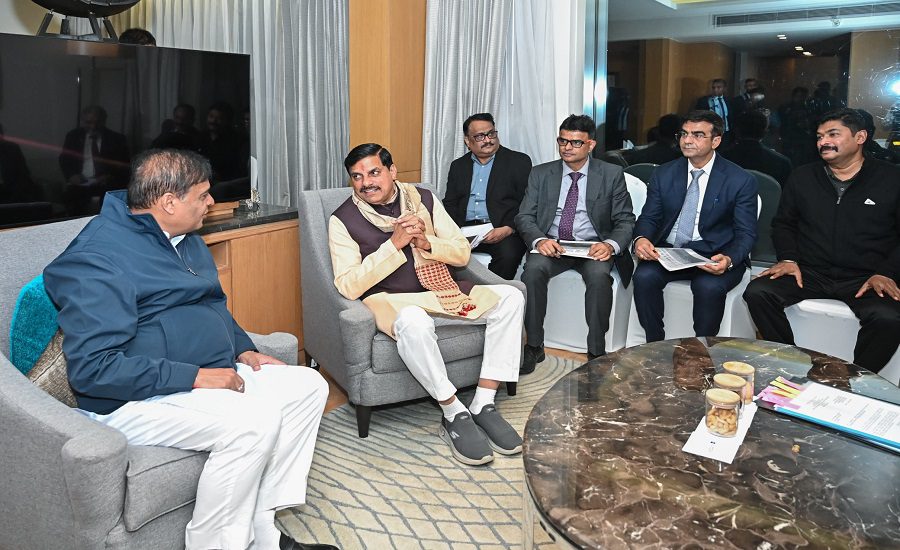
Bhopal: Madhya Pradesh and Assam have reached an agreement for the exchange of select wildlife species, aimed at strengthening conservation efforts and restoring populations in suitable habitats. The deal was finalized during Chief Minister Dr. Mohan Yadav’s visit to Assam on Thursday, following a meeting with Assam CM Himanta Biswa Sarma.
Under this arrangement, Assam will send wild buffaloes and rhinoceroses to Madhya Pradesh, while Madhya Pradesh will transfer tigers and crocodiles to Assam. This long-discussed plan has now been officially approved, following in-depth discussions between the two chief ministers.
Three-Year Implementation Plan for Animal Translocation
The translocation process is expected to take place over the next three years. According to the plan:
- Assam will send 50 wild buffaloes, one pair of rhinoceroses, and three cobras to Madhya Pradesh. Initially, these animals will be housed in the National Wildlife Park in Bhopal.
- Madhya Pradesh will transfer one pair of tigers and six crocodiles to Assam, where they will be placed in suitable reserves.
The entire exchange process will adhere to strict wildlife management protocols, ensuring proper care, habitat management, and safety for the translocated animals.
Conservation Significance for Madhya Pradesh
CM Mohan Yadav highlighted that Madhya Pradesh’s successful cheetah reintroduction project serves as a model for future wildlife restoration efforts, including the return of wild buffaloes. Historically, Madhya Pradesh has been known as both the Tiger State and Leopard State, but its wild buffalo population had disappeared decades ago, surviving only in Assam. This translocation will revive the species in its former habitat and contribute to biodiversity in the state.
Kanha Tiger Reserve Identified as Suitable Habitat
Studies conducted by the Wildlife Institute of India in Dehradun and other research bodies have identified Kanha Tiger Reserve as an ideal location for reintroducing wild buffaloes. The reserve offers high-quality grasslands, open terrain, minimal human interference, and low pressure from other herbivorous species, creating optimal conditions for the animals’ survival and growth.
Officials confirmed that the planning and preparatory work for translocation have now officially begun, marking a significant step in Madhya Pradesh’s wildlife conservation strategy.
This historic wildlife exchange between Madhya Pradesh and Assam represents a major step in inter-state collaboration for biodiversity conservation, focusing on restoring endangered species while promoting ecological balance in India’s key wildlife reserves.