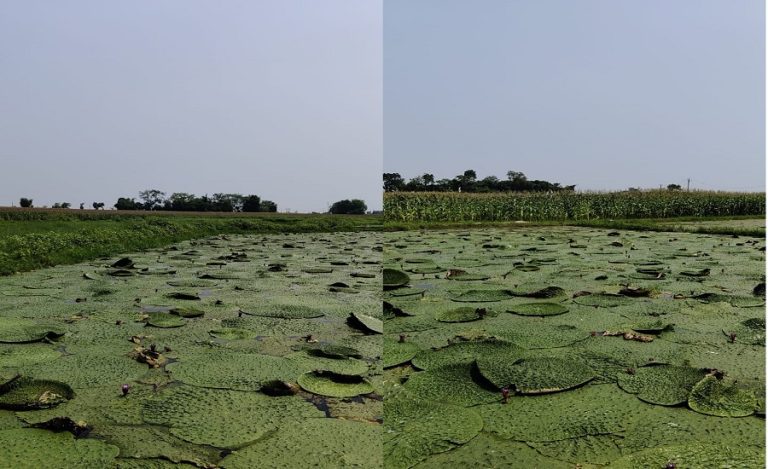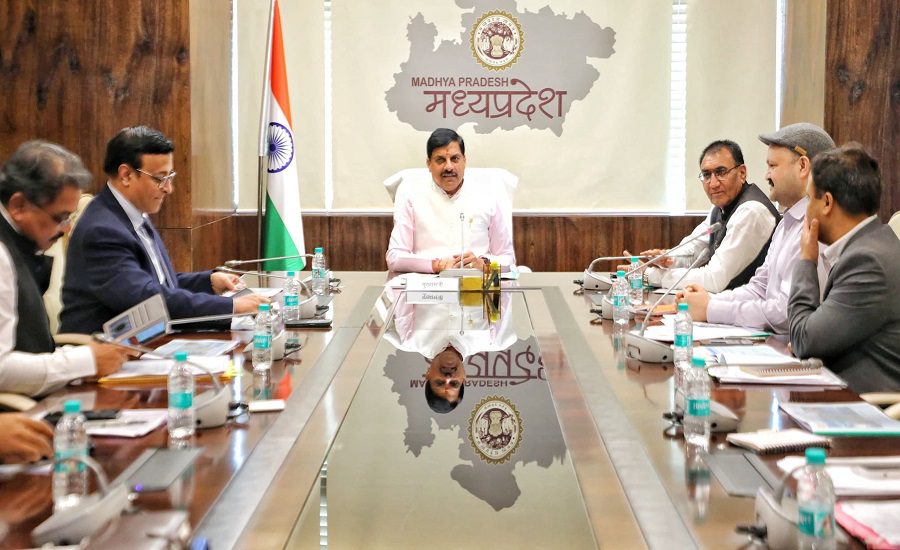
Bhopal: The Madhya Pradesh government, under the leadership of Chief Minister Mohan Yadav, has achieved remarkable success with its ambitious “Jal Ganga Sanvardhan Abhiyan” (Water Conservation Campaign). Launched in 2024, the campaign has so far revived, restored, and strengthened over 2.79 lakh water structures across the state, including wells, stepwells, ponds, check dams, and other water conservation systems.
The Chief Minister emphasized that the campaign, driven by public participation, is fostering a new culture of water conservation and positioning Madhya Pradesh as a leading state in the country in sustainable water management.
Major Achievements of the Campaign
According to government reports, the campaign has achieved significant milestones:
- 2.79 lakh+ water structures restored: Wells, stepwells, ponds, check dams, Amrit Sarovars, and farm ponds across rural and urban areas.
- Active public participation: Thousands of citizens have joined as “Jaldoots” and “Amrit Mitras”, contributing to groundwater recharge and improved water availability in drought-prone regions.
- Integration of traditional and modern methods: The campaign combines revival of traditional water sources with modern technology, ensuring long-term sustainability.
The collaborative effort involves 16 state departments, including Water Resources, Panchayati Raj & Rural Development, Narmada Valley Development, Public Health Engineering, Agriculture, Environment, Urban Development, and Education. These departments coordinate to execute construction, maintenance, deepening, and cleaning of water structures on a large scale.
New Phase of the Campaign Starting 19th March 2026
To expand the campaign further, the government has announced a new phase starting from 19th March 2026, coinciding with Gudi Padwa. This phase will continue until Ganga Dashami, spanning 50–60 days and focusing on:
- Conservation of wells, ponds, stepwells, and river sources
- Construction of check dams and Amrit Sarovars
- Promotion of rainwater harvesting
- Cleaning and development of ponds and rivers
- Enhancement of farm ponds and other water storage structures
- Large-scale tree plantation initiatives
The new phase will also integrate modern technology and innovation, including AI-based planning tools and SIPRI software to improve water structure management. Traditional water conservation practices will be promoted alongside modern techniques to strengthen community participation.
Special Programs and Public Engagement
The campaign will also feature special events and awareness programs, including:
- Development of river sources
- Kshipra Parikrama and other water-centric pilgrimages
- Water conservation awareness campaigns
- International water conferences in Bhopal
These initiatives aim to educate and engage citizens, emphasizing the importance of collective action for water security.
Significance Amid Water Challenges
With the rising challenges of climate change, declining groundwater levels, and drought-prone areas, the campaign has become a crucial initiative for Madhya Pradesh. In the previous year’s 90-day drive, Khandwa district emerged as a national leader in constructing water structures, demonstrating the campaign’s impact at the local level.
Call for Public Participation
Chief Minister Mohan Yadav urged citizens to take an active role in water conservation, saying:
“Water is precious. We must save every drop to ensure future generations do not face a water crisis. Together, government and society can transform ‘Jal Hai To Kal Hai’ into a mass movement.”
Residents are encouraged to participate in pond cleaning, rainwater harvesting, tree plantation, and other water conservation activities to make the campaign a truly people-driven movement.