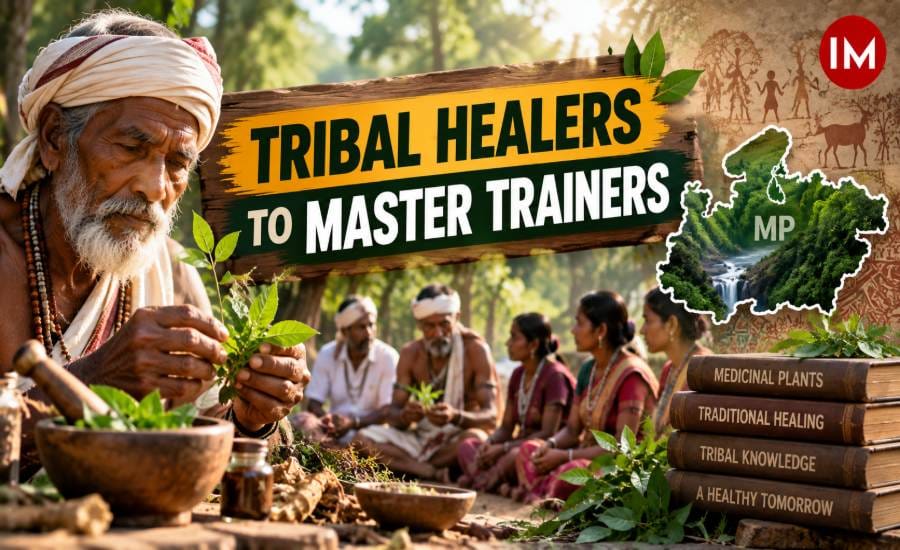
Bhopal: Madhya Pradesh is taking steps to preserve the traditional knowledge of tribal communities by developing experienced “Tribal Healers” into Master Trainers. Around 640 tribal healers from 34 districts have been identified as the target group for specialised capacity-building under a national programme.
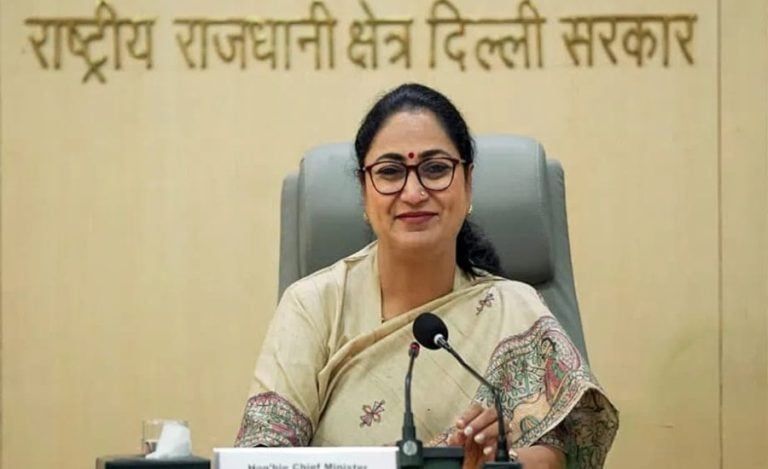
Chief Minister Dr. Mohan Yadav said tribal communities have preserved valuable knowledge of medicinal plants, forests, farming, nature and traditional healing practices across generations. The state government now aims to document this knowledge systematically so that it can reach future generations.
The Tribal Research and Development Institute (TRI), Bhopal, has been given responsibility for supporting the documentation process and identifying traditional knowledge holders in tribal communities.
Preserving Generations-Old Tribal Knowledge
Tribal communities have long relied on knowledge of natural resources and medicinal plants as part of their traditional way of life. Much of this knowledge has traditionally passed from one generation to another through oral traditions and experienced community members.
The state government wants to create a structured record of this knowledge, particularly information related to medicinal herbs, forest resources, agriculture, indigenous practices and traditional treatment methods.
The initiative will involve reaching out to traditional healers and senior knowledge holders, including Vanvasi Vaidyas, Tadvis, Bhumkas, Barwas, Ojhas and Gunyas.
The documentation will focus on their experiences with herbs and medicinal plants and traditional approaches used for different health conditions. The aim is to preserve the knowledge as community heritage rather than allowing it to remain limited to oral transmission.
Read Also: ‘Make Films on Tribal Heroes’: MP CM Mohan Yadav Announces Government Support in Jabalpur
640 Tribal Healers Targeted Across 34 Districts
Madhya Pradesh has planned to nominate around 640 tribal healers from 34 districts across eight divisions for specialised training as Master Trainers.
The districts cover the Indore, Jabalpur, Shahdol, Narmadapuram, Rewa, Gwalior-Chambal, Bhopal and Ujjain divisions.
The number could increase as the selection process progresses. As of the end of June 2026, the names of 101 tribal healers from Madhya Pradesh had already been sent to the Union Ministry of Tribal Affairs for Master Trainer training.
The state is continuing the process of identifying suitable traditional healers from different tribal communities and regions.
National Programme to Build Tribal Master Trainers
The Madhya Pradesh initiative is linked to the Centre’s National Programme on Capacity Building of Tribal Healers.
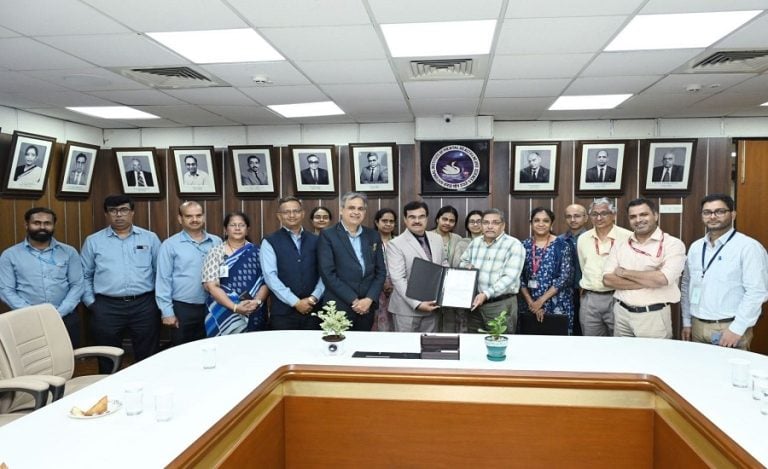
The programme is being implemented under an MoU between the Ministry of Tribal Affairs and the Indian Council of Medical Research (ICMR). Its major objective is to develop a national cadre of 5,000 trained Master Trainers from among tribal traditional healers.
The selected healers are expected to have substantial experience in traditional treatment practices and the ability to pass their knowledge to others in their communities.
The programme also seeks diversity in the selection of healers across districts, tribal groups and traditional treatment practices.
Focus on Herbs, Bone-Setting and Snake-Bite Practices
For the Madhya Pradesh selection, district authorities have been asked to identify tribal healers who have an established standing within their communities and can undertake further training responsibilities.
The government is also seeking practitioners with expertise in different traditional healing areas, including:
- Herbal healing and medicinal plant-based practices
- Bone-setting and traditional bone treatment
- Midwifery and traditional childbirth practices
- Traditional snake-bite treatment
The selection is required to include members of Scheduled Tribe communities with recognised experience in their respective traditional practices.
District Officials Asked to Identify Healers
The state government has directed concerned collectors and district officials of the Tribal Affairs Department to submit names of suitable tribal healers.
The selection process is intended to identify knowledge holders who not only possess traditional expertise but can also contribute to preserving and sharing that knowledge in a structured manner.
TRI-Bhopal will play a key role in taking forward the documentation of traditional knowledge and supporting the capacity-building process.
Connecting Traditional Knowledge With Future Generations
Dr. Yadav said the initiative is aimed at ensuring that tribal knowledge does not remain confined to oral traditions. Scientific documentation can help preserve information about medicinal plants, forests, agriculture and local practices for future generations.
Madhya Pradesh has a significant tribal population, with tribal communities accounting for around 21 per cent of the state’s population, according to the government.
The initiative therefore combines cultural preservation with capacity building, while giving experienced tribal knowledge holders a formal role in passing their expertise to others.
The broader effort seeks to preserve the knowledge accumulated by tribal communities over generations while creating a systematic record that can support future research, awareness and intergenerational knowledge transfer.