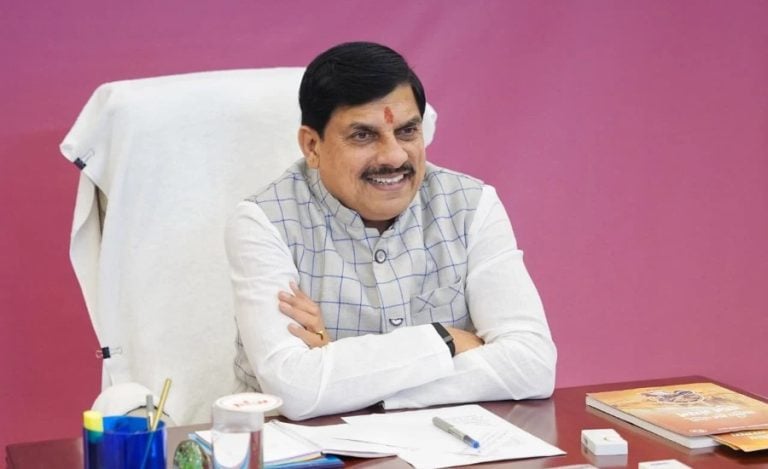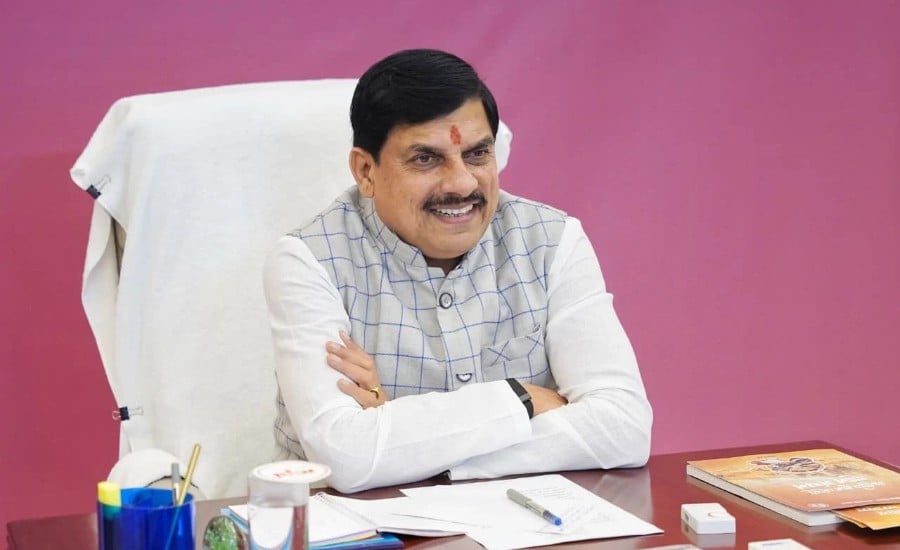
Bhopal: Madhya Pradesh is looking to strengthen its agricultural economy through food processing, livestock development and modern farming, with Chief Minister Mohan Yadav announcing a ₹3,800-crore McCain Foods project in Agar district. The project is expected to generate around 2,000 jobs and create new opportunities linked to the region’s agricultural produce.
Addressing the Balram Krishi Mahotsav in Agar virtually on October 9, Yadav interacted with farmers about agricultural innovation, government welfare schemes and their needs. He said the district would also see a ₹200-crore potato-processing industry in Lalukhedi, a development that could encourage local farmers to take up potato cultivation.
The announcements came as the state observes Krishak Kalyan Varsh, an initiative focused on farmers’ welfare and agricultural development.
₹3,800-Crore McCain Foods Project to Boost Agar’s Economy
The proposed McCain Foods project is expected to bring significant investment to Agar district. According to the Chief Minister, the project will create employment for approximately 2,000 people.
Food-processing investments can connect agricultural production with industrial demand. For farmers, stronger processing capacity can create opportunities to supply crops to organised buyers, although the actual benefits will depend on procurement arrangements, production requirements and market access.
The project also places Agar on the map as a potential centre for agricultural processing and related economic activity. Details such as the construction timeline, operational schedule and specific job categories were not provided in the announcement.
Read also: Madhya Pradesh: CM Mohan Yadav Releases Vyom and Neera, State Gets Third Cheetah Habitat
₹200-Crore Potato Processing Industry Planned in Lalukhedi
Another major announcement concerns a potato-processing industry worth ₹200 crore in Lalukhedi, Agar-Malwa district.
Yadav said farmers in the district would now have opportunities to grow potatoes alongside existing crops. The development could encourage agricultural diversification by creating demand for produce required by the processing industry.
A local processing facility may also help strengthen links between farmers and food manufacturers. However, the long-term impact will depend on factors such as assured procurement, suitable potato varieties, storage facilities, transportation and the prices offered to growers.
The proposed industry, alongside the McCain Foods investment, reflects the state government’s effort to connect farming with value-added processing rather than relying solely on the sale of raw agricultural produce.
Government Targets Wheat Procurement at ₹2,700 in 2027
The Chief Minister also spoke about the state’s agricultural support measures and said wheat would be procured at ₹2,700 per unit of price in 2027. The announcement did not specify the unit or the detailed procurement conditions, so farmers will need to refer to the official policy notification for the final rate and eligibility requirements.
Procurement prices are an important consideration for farmers when deciding what to grow and how to plan their seasonal expenses. Clear procurement rules and timely payments can help them make better decisions and manage the risks associated with cultivation.
Yadav also highlighted the availability of electricity, irrigation water and a road network spanning around five lakh kilometres in the state. Such infrastructure plays an important role in moving farm produce to markets and supporting agricultural industries.
Livestock and Dairy Farming Seen as Additional Income Sources
The Chief Minister described animal husbandry as an important way to increase farmers’ income. He highlighted Agar’s reputation for cattle rearing and dairy production, including its organic milk.
He also referred to the growth of milk production in Madhya Pradesh and the expansion of the Sanchi dairy brand. Stronger dairy networks can help livestock owners access organised markets, provided they have reliable collection facilities, fair prices and veterinary support.
The state government provides financial assistance to gaushalas for cattle care at a rate of ₹40 per animal per day, according to the announcement.
Yadav said more than 20,000 cattle are being cared for at the Salariya cow sanctuary and other gaushalas in the district. The initiative forms part of the wider emphasis on cattle care and livestock-related livelihoods.
Cash Awards to Encourage Better Cattle Rearing
The government also plans to organise competitions under its Gaupalan Puraskar Yojana to encourage good livestock-rearing practices.
Under the announced award structure, livestock owners who secure the top positions at the block level will receive financial prizes:
- First prize: ₹1 lakh
- Second prize: ₹50,000
- Third prize: ₹25,000
The awards are intended to recognise livestock owners and encourage cattle rearing. Their wider impact will depend on the competition’s implementation, selection criteria and participation by farmers across the district.
Agar’s Oranges, Renewable Energy and Organic Farming
Agar-Malwa has several existing agricultural and economic strengths. Yadav noted that oranges grown in Agar and Susner are supplied to markets across the country. The district also has a presence in solar and wind energy.
During the virtual interaction, the Chief Minister spoke with progressive farmers engaged in natural, organic and improved farming practices. These included Radheshyam Parihar, who practises natural and organic farming in Binayaga, Barod, and Rohit Sharma, who grows pigeon pea using natural farming methods in Akhakhedi, Tanodia.
The discussions focused on their farming methods and the benefits they have observed. Such exchanges can help bring attention to alternative cultivation practices, though outcomes vary according to soil conditions, crop choices, input costs and local markets.
Progressive Farmers and Students Honoured
The Balram Krishi Mahotsav also recognised progressive farmers, meritorious students from farming families and former military personnel. Participants received certificates of appreciation for their contributions and achievements.
Exhibitions by different government departments showcased agricultural and horticultural activities, animal husbandry, fisheries and modern farming equipment. These displays offered farmers an opportunity to learn about technologies, equipment and services relevant to their work.
The event was also attended by MP Rodmal Nagar, state BJP Kisan Morcha president Jaipal Singh Chawda, Apex Bank administrator Mahendra Singh Yadav and MLA Madhu Gehlot, among other participants.
Linking Agriculture with Industry and Rural Employment
The announcements in Agar highlight the potential of combining agricultural production with food processing, dairy farming and other rural enterprises. The ₹3,800-crore McCain Foods project and the proposed ₹200-crore potato-processing industry could create employment and new market opportunities if they move forward as announced.
For farmers, the key question will be whether these investments translate into dependable demand, better market access and improved returns. Timely implementation, transparent procurement arrangements and adequate infrastructure will help determine how much local communities benefit.
By connecting investment with farming and livestock development, Madhya Pradesh aims to broaden rural livelihood opportunities and make agriculture a more sustainable source of income.
Read also: Madhya Pradesh’s Pharma Story Gets a Fresh Push With Ipca’s ₹1,080 Crore Plan