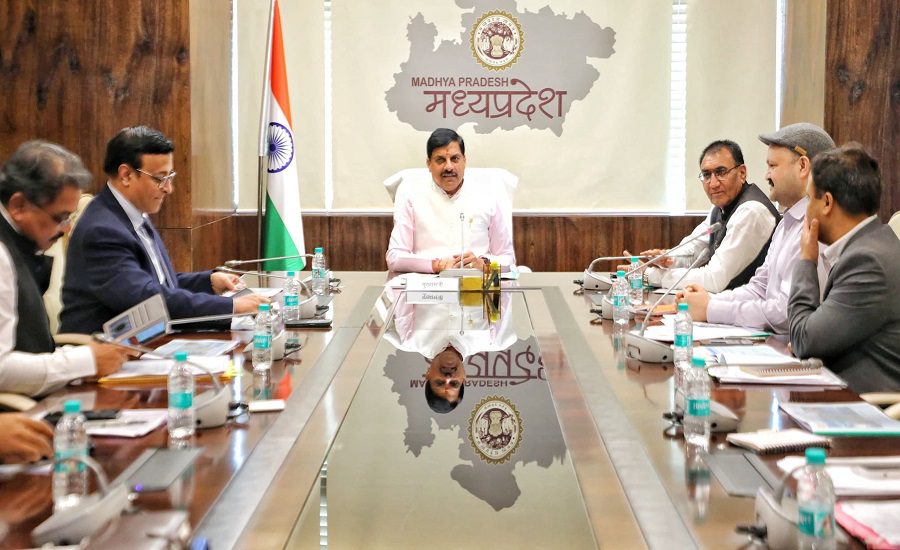
Bhopal: In a significant Cabinet meeting chaired by Chief Minister Mohan Yadav, the Madhya Pradesh government approved multiple key decisions aimed at boosting infrastructure, supporting farmers, and promoting industrial investment across the state. The meeting, held at the Secretariat, highlighted a focus on economic growth, employment generation, and improved public infrastructure.
Farmers to Receive ₹40 Per Quintal Wheat Bonus
The Cabinet approved a bonus of ₹40 per quintal for farmers selling wheat during the Rabi Marketing Year 2026-27. This decision is expected to provide additional financial support to farmers, strengthening agricultural income.
The surplus wheat not accepted by the central government will be disposed of through an open tender process by Madhya Pradesh State Civil Supplies Corporation, with associated costs borne by the state government. Payments to farmers will be made from departmental budget provisions, while the expenses related to surplus wheat disposal will be covered under the Chief Minister Farmer Crop Procurement Assistance Scheme.
Read also: Madhya Pradesh CM Dr. Mohan Yadav Launches Farmer Welfare Year 2026 to Boost Agriculture and Dairy
Infrastructure Development: Roads, Elevated Corridors, and Maintenance
Elevated Corridor in Ujjain
To improve traffic flow in Ujjain, the Cabinet approved the construction of a 4-lane elevated corridor from Chimniganj Mandi (Indra Nagar) to Indore Gate and a 2-lane corridor from Nikas Chauraha to Indore Gate. The project, spanning 5.32 km, will cost ₹945.2 crore and is expected to reduce congestion, facilitate smoother traffic, and accommodate pilgrims during large events such as Simhastha.
Road Development Programs
Several road development initiatives were approved, including:
- Madhya Pradesh Road Development Program (2026–2028): ₹7.38 crore
- Madhya Pradesh Road Development Program-6 (2026–2031): ₹1,543 crore
- Madhya Pradesh Road Development Program-7 (2026–2031): ₹1,476 crore
- NDB-funded bridge and road construction projects: ₹50.10 crore
- Jan Bhagidari Development Grant Scheme (2026–2031): Continued
Maintenance of Government Buildings
The Cabinet sanctioned budgets for maintenance and repair of government facilities:
- Government residences and guest houses: ₹200.35 crore
- Office buildings, including Satpura and Vindhyachal Bhawan, and Shaurya Smarak operations: ₹300.70 crore
Rewa Micro-Irrigation Project Approved
The Panwar Micro-Irrigation Project in Rewa district received approval with a total outlay of ₹228.42 crore. The project will provide irrigation to 7,350 hectares across 37 villages in the Jawa and Tyonthar Tehsils, enhancing agricultural productivity and supporting local farmers.
Industrial Investment Boost
The Cabinet approved investment proposals for 12 major industrial units, expected to generate around 12,000 jobs. Notable approvals include:
- Trident Limited, Sehore: ₹1,190 crore for a Terry Towel unit (3,000 jobs) and a Bedsheet unit (2,800 jobs)
- Adani Defence Systems & Technology, Shivpuri: ₹2,145 crore for a defense production facility (1,600 jobs)
- ACC Limited, Katni: Cement manufacturing unit providing 780 jobs
- PepsiCo India Holdings, Ujjain: Proposed unit creating 500 jobs
Other units approved include Ambuja Concrete North Pvt Ltd, Balaji Wafers Pvt Ltd, BarMalt Malting India Pvt Ltd, Alembic Pharmaceuticals Ltd, Ralsar Tyres Ltd, and Daulat Ram NREC Locomotives Pvt Ltd, all contributing to employment and investment growth.
Administrative and Governance Reforms
- Madhya Pradesh Works (Allocation) Rules amended: The State Store Purchase and Service Procurement Rules have been shifted from the MSME department to the Finance Department, with no additional financial burden on the state.
- Department Renaming: The Animal Husbandry & Dairy Development Department has been renamed Gaupalan & Pashupalan Department, and its directorate is now Directorate of Gaupalan & Pashupalan, to emphasize cow protection and livestock activities.
Strategic Significance
The Cabinet’s decisions demonstrate Madhya Pradesh’s commitment to:
- Boosting farmer welfare and agricultural support
- Accelerating infrastructure development including roads, elevated corridors, and micro-irrigation projects
- Promoting industrial growth and employment generation
- Streamlining administrative and governance reforms for efficiency
With these approvals, the state aims to provide a favorable investment environment, strengthen public infrastructure, and improve economic opportunities for its citizens.