Lucknow/Patna: The severe flooding in Nepal’s Bhote Koshi River has triggered heightened alert in the bordering districts of Uttar Pradesh and Bihar, with authorities preparing for a possible rise in the water levels of the Gandak and Narayani rivers.
The flooding in Nepal’s Rasuwa region has caused extensive damage, with bridges and roads reportedly washed away and vehicles swept away by powerful currents. The situation has also raised concerns in adjoining Indian districts because rivers originating or flowing through Nepal could carry increased volumes of water downstream.
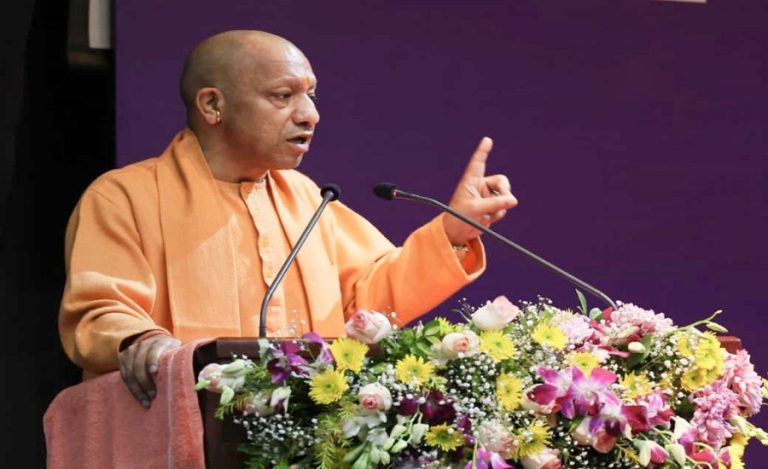
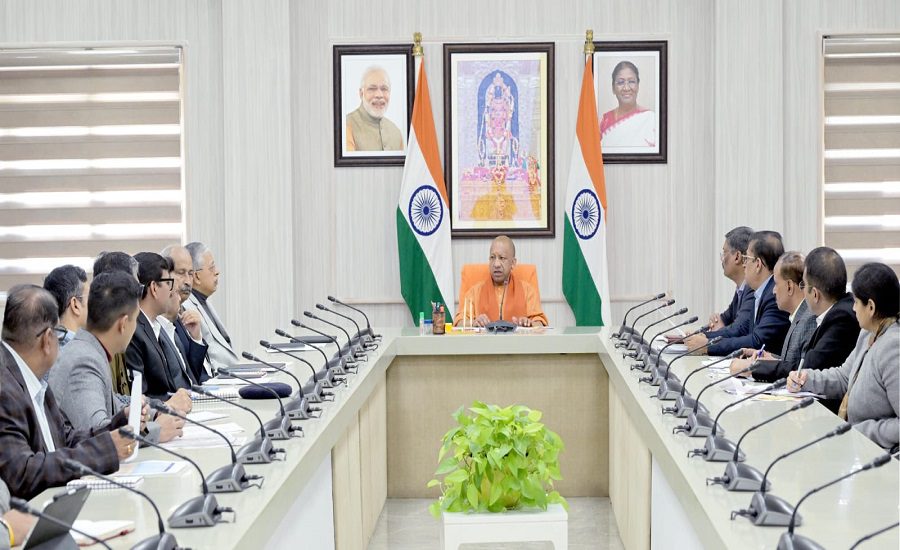
In Uttar Pradesh, Chief Minister Yogi Adityanath has directed the administrations of Maharajganj and Kushinagarto remain on high alert and complete all necessary preparations in anticipation of a possible rise in river levels.
CM Yogi Directs Maharajganj, Kushinagar Administrations to Stay Alert
Expressing concern over the devastation in Nepal, CM Yogi said in a post on X that the damage caused by the severe flooding in the Bhote Koshi River in Nepal’s Rasuwa region was deeply concerning.
He also prayed to Lord Pashupatinath for the safety of those affected.
The Chief Minister said that, given the possibility of rising water levels in the Gandak and Narayani rivers, there was a potential flood risk in Maharajganj and Kushinagar.
He accordingly instructed the local administrations of both districts to exercise utmost vigilance, continuously monitor the situation and ensure that all necessary arrangements are completed in advance.
NDRF Deployed in Kushinagar
As the impact of the Nepal floods could extend into the Indian side, an NDRF team has been deployed in Kushinagar as a precautionary measure.
The border districts of Uttar Pradesh have been placed under heightened surveillance, particularly areas that could be affected by an increase in the discharge of rivers flowing from Nepal.
Officials have been directed to closely monitor river levels and remain prepared for evacuation, rescue and relief operations if the situation deteriorates.
The flooding has created concern across the Terai region, with the effects of the disaster being closely watched in both Nepal and neighbouring Indian states.
Severe Flooding in Nepal Causes Widespread Damage
The situation originated with a sudden and powerful surge in the Bhote Koshi River on Wednesday morning in Nepal’s Rasuwa region.
The river waters surged from the mountainous region near the Tibet border, causing extensive destruction in areas including Timure Bazaar and the customs area near the Rasuwa border crossing.
Several vehicles were reportedly swept away by the strong currents, while roads and bridges have been damaged.
Reports also indicate that 13 hydroelectric projects have been affected by the flooding.
Rescue operations are underway in the affected areas, while several people are reported to be missing.
The disaster has prompted authorities in Nepal to issue alerts for districts situated along affected river courses.
Bihar Also on High Alert
The flood threat has simultaneously prompted extensive precautionary measures in Bihar, where authorities are monitoring the possible rise in water levels in the Kosi, Gandak and Ganga river basins.
Bihar Deputy Chief Minister Samrat Chaudhary discussed the situation with Union Home Minister Amit Shah, who took stock of the developing situation.
The Central Government and the Ministry of Home Affairs are also monitoring the situation and coordinating with the Bihar government.
Several NDRF teams have been deployed in vulnerable areas of Bihar, while disaster-response agencies have been instructed to remain ready to respond to any emergency.
Six Bihar Districts Under Special Vigilance
The Bihar administration has directed officials to exercise special caution in six districts located along river systems that could be affected by increased water flow from Nepal.
The districts specifically identified for heightened vigilance include:
- Bettiah
- Motihari
- Gopalganj
- Saran
- Muzaffarpur
- Vaishali
The situation is also being closely monitored in Sitamarhi and Sheohar, with local administrations instructed to remain prepared for any eventuality.
The Bihar Chief Secretary has convened a high-level meeting and directed officials to maintain continuous vigilance in areas adjoining rivers flowing from Nepal.
Gandak and Narayani Water Levels Being Closely Monitored
The principal concern for Uttar Pradesh is the possibility of increased water levels in the Gandak-Narayani river system following the massive inflow generated by the Nepal floods.
Maharajganj and Kushinagar, being among the Uttar Pradesh districts potentially exposed to the downstream impact, have therefore been directed to maintain maximum preparedness.
Authorities are monitoring the river conditions and are expected to take preventive measures if water levels begin rising significantly.
The developments are also being closely watched in Bihar, particularly along the Gandak and Kosi basins.
Nepal Seeks Assistance From India and China
The scale of the devastation has prompted the Nepal government to seek assistance from India and China.
According to Nepal government spokesperson Sasmit Pokharel, coordination with both countries is underway.
The Nepali Army has also issued alerts for districts located along the affected river courses as rescue and relief operations continue.
Reports from the affected areas indicate that floodwaters have washed away bridges, submerged roads and swept away cars and trucks.
There are also reports that more than 100 Indian tourists are missing, adding to concerns surrounding the disaster and ongoing rescue efforts.
Central and State Governments Coordinate Response
With the possibility of increased river discharge into Indian territory, authorities in both Uttar Pradesh and Bihar have moved into precautionary mode.
In Uttar Pradesh, CM Yogi Adityanath has placed particular emphasis on preparedness in Maharajganj and Kushinagar, while the NDRF deployment in Kushinagar is aimed at ensuring that rescue resources are available if required.
In Bihar, the state administration is monitoring vulnerable locations across the Kosi, Gandak and Ganga basins, with NDRF teams deployed in multiple districts.
The Centre is also maintaining coordination with Bihar authorities, with Union Home Minister Amit Shah taking stock of the situation.
At present, the focus remains on continuous monitoring, early warning, evacuation preparedness and rapid deployment of rescue and relief teams as authorities assess the downstream impact of the devastating floods in Nepal.