New Delhi: Nine Government Industrial Training Institutes (ITIs) in Gujarat and Andhra Pradesh will receive an upgrade worth approximately ₹440 crore under the Pradhan Mantri Skilling and Employability Transformation through Upgraded ITIs (PM-SETU) scheme. The investment aims to modernise vocational training, introduce industry-relevant skills and improve employment opportunities for trainees.
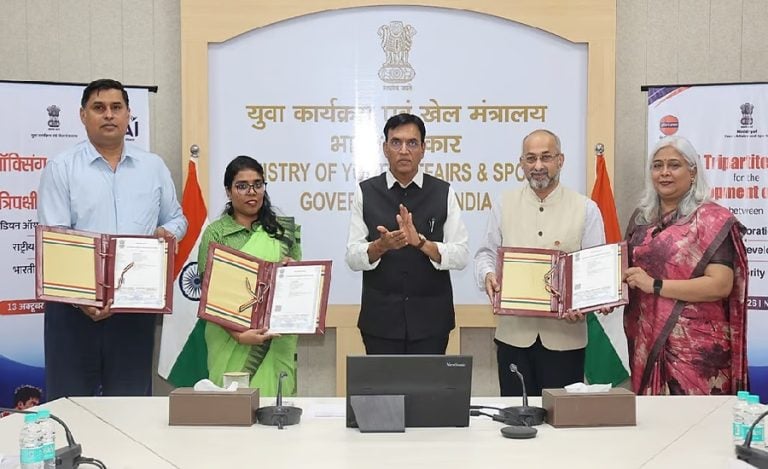
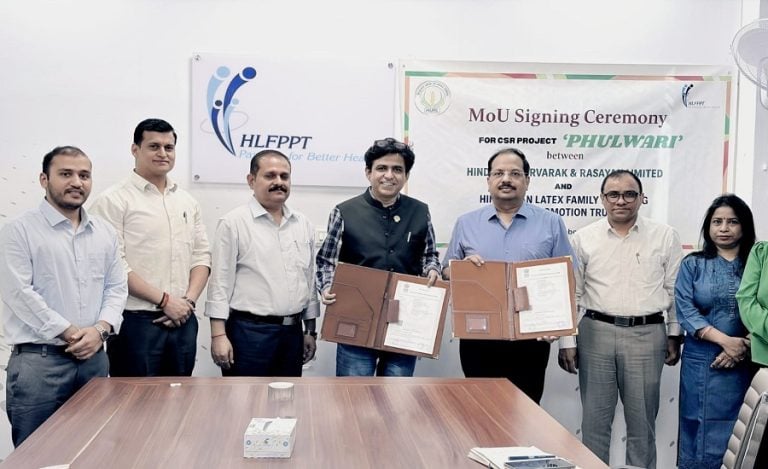
The agreements were signed by the Directorate General of Training (DGT), under the Ministry of Skill Development and Entrepreneurship (MSDE), the governments of Gujarat and Andhra Pradesh, and ArcelorMittal Nippon Steel India (AM/NS India). The agreements establish the framework for implementing approved plans to upgrade the Surat and Visakhapatnam ITI clusters.
₹440 Crore Investment Across Two ITI Clusters
The approved investment covers five government ITIs in Surat, Gujarat, and four in Visakhapatnam, Andhra Pradesh.
Gujarat’s Surat cluster will receive ₹240 crore, while the Visakhapatnam cluster in Andhra Pradesh will receive ₹200 crore. The investment will support improvements to training facilities, workshops, laboratories, curricula and teaching methods.
The projects aim to bring technical education closer to the needs of modern industries. By upgrading training infrastructure and introducing relevant skills, the initiative seeks to prepare ITI students for changing workplace requirements.
Read also: Bhupendra Patel Visits ‘Viksit Gujarat to Viksit Bharat’ Exhibition in Ahmedabad
Shareholders’ Agreements Set Out Implementation Plan
The Shareholders’ Agreements (SHAs) provide the implementation framework for the approved Strategic Investment Plans (SIPs) for both clusters.
Dedicated Special Purpose Vehicles (SPVs) will be established to manage the upgradation and operations of the ITI clusters. Under the proposed ownership structure, AM/NS India will hold a 51 per cent stake. The Government of India and the respective state governments will each hold 24.5 per cent equity.
This arrangement gives the industry partner a leading role in managing the projects while retaining participation from the central and state governments. The model is intended to strengthen industry involvement in vocational education and connect training institutions more closely with employers.
New Workshops, Modern Laboratories and Updated Courses
AM/NS India will implement the projects with support from the New Age Makers’ Institute of Technology (NAMTECH), its academic and technical partner.
AM/NS India will contribute manufacturing expertise and industry insights, while NAMTECH will support curriculum development, training reforms, faculty development and academic innovation.
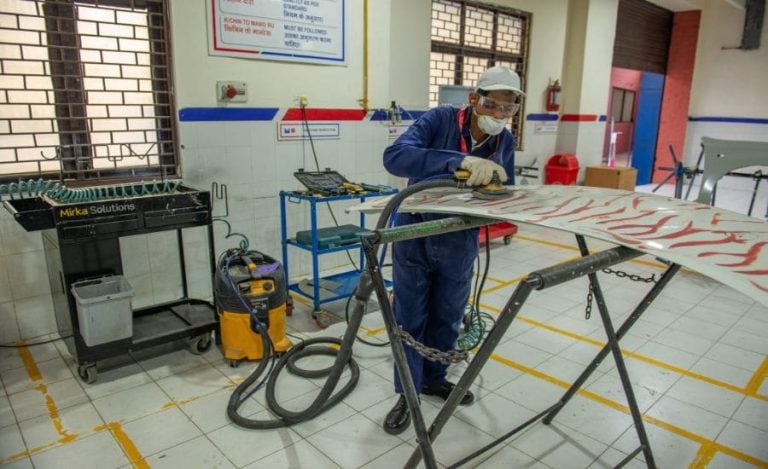
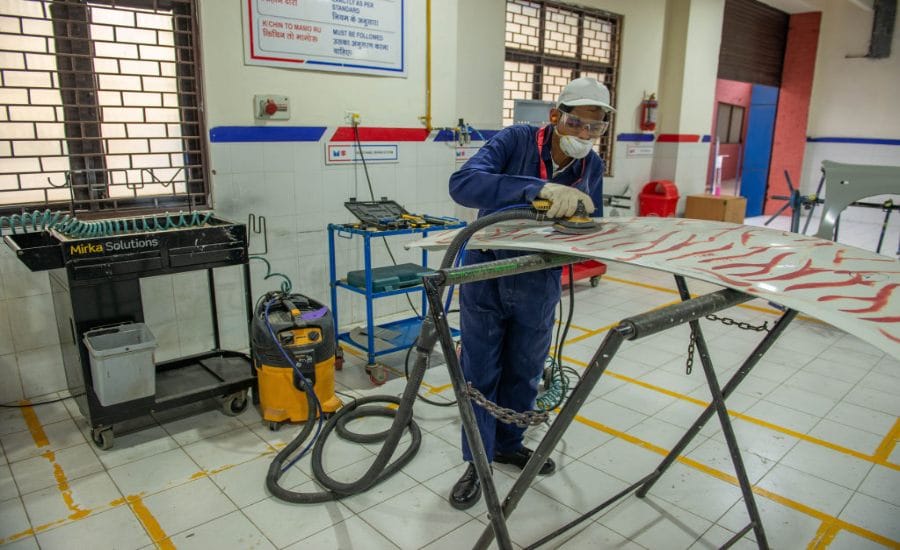
The planned improvements include modernising workshops and laboratories, introducing new-age and industry-relevant trades, updating curricula to reflect emerging industrial needs, strengthening instructor training and expanding practical learning opportunities.
These changes are expected to help students gain technical knowledge and hands-on experience aligned with workplace demands. Better-equipped facilities and updated training methods can also help instructors deliver courses that reflect changing technologies and manufacturing practices.
For ITI trainees, the emphasis on practical skills and industry requirements could improve their readiness for employment. The effectiveness of the upgrades will ultimately depend on how well the new courses, training facilities and industry partnerships translate into skills that employers need.
PM-SETU Seeks to Improve Vocational Education Standards
Speaking at the agreement-signing event, Debashree Mukherjee, Secretary of the Ministry of Skill Development and Entrepreneurship, described the agreements as the beginning of a transformative journey for ITIs.
She referred to India’s recent performance at the WorldSkills competition in Shanghai and said PM-SETU institutions and Aspirational Institutes should aim to become centres of excellence capable of nurturing future WorldSkills champions.
Mukherjee emphasised that the objective goes beyond improving infrastructure. The initiative also seeks to raise aspirations, improve training quality and strengthen outcomes across India’s skilling ecosystem.
The focus on institutional standards is important because vocational education must equip students with skills that remain relevant as industries adopt new technologies and production methods.
Part of a Larger ₹60,000 Crore Skilling Initiative
PM-SETU is a flagship government initiative with a total outlay of ₹60,000 crore. It aims to transform India’s vocational education ecosystem through industry partnerships and institutional reforms.
The scheme envisages upgrading 1,000 Government ITIs across the country and strengthening five National Skill Training Institutes (NSTIs). Its broader approach seeks to improve training infrastructure, encourage industry participation and make vocational education more responsive to employment needs.
The first 14 Strategic Investment Plans under PM-SETU account for a proposed investment of ₹3,446 crore. Against this wider programme, the ₹440 crore commitment for Surat and Visakhapatnam represents a substantial industry investment approved under the scheme.
Linking Technical Training with Employment
The upgrade of the Surat and Visakhapatnam ITI clusters marks a step towards a more industry-linked vocational education system. Modern facilities, updated curricula and stronger instructor training can help students acquire practical skills relevant to industrial workplaces.
The partnership also offers a model for bringing government institutions and industry together to improve training standards. For the initiative to deliver lasting results, the upgraded ITIs will need to maintain strong links with employers and ensure that training continues to reflect changing skill requirements.
Through PM-SETU, the government aims to strengthen vocational institutions and improve the connection between education and employment. The ₹440 crore investment in Gujarat and Andhra Pradesh will put that approach into practice across nine government ITIs.