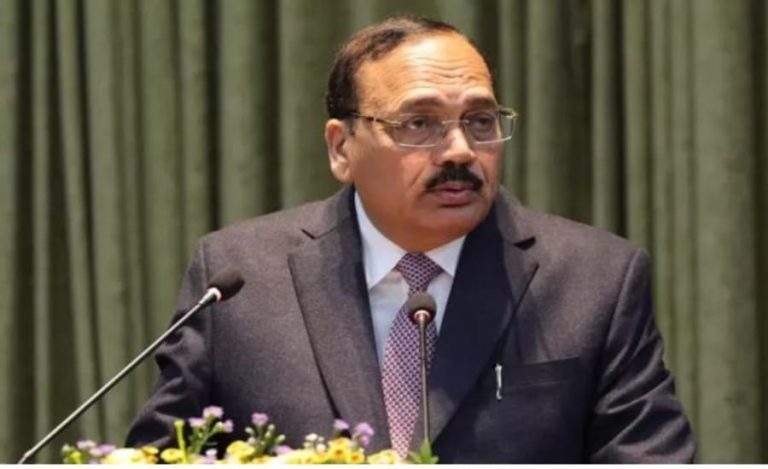
Wayanad: Dr Raju Narayana Swamy, an IAS officer of 1991 batch and Kerala’s well-known anti-corruption crusader and firebrand officer, has highlighted the extraordinary diversity of India’s cultural and historical heritage, observing that the sheer richness of the country’s traditions, languages, religions and historical experiences presents both an opportunity and a challenge when attempting to capture its essence.
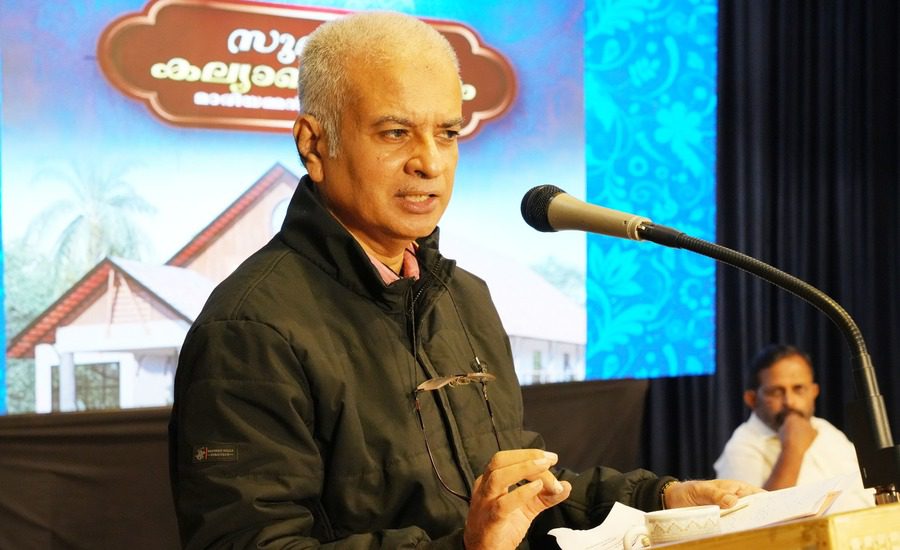
Dr Swamy was speaking on the topic “Indian Culture and Heritage: Views and Vistas” at a function titled “Seethayanam” held at Panamaram in Wayanad.
According to him, India’s cultural and historical landscape is characterised by its vast and diverse tapestry, with centuries of history, multiple traditions and a wide range of cultural expressions coming together to shape the identity of the country.
India’s Vast Cultural Heritage
Dr Swamy said the sheer richness of Indian traditions, languages, religions and historical events provides a plethora of material, but this very diversity makes it a daunting task to condense the country’s cultural heritage into a coherent short speech.
He pointed out that any meaningful attempt to understand Indian culture requires navigating through centuries of history, including the rise and fall of empires, evolution of art and literature, and the myriad cultural practices that have shaped Indian society.
The country’s heritage, he noted, cannot be understood through a single narrative because its cultural identity has evolved through numerous historical and social influences over a long period.
Read also: IAS Officer Dr Raju Narayana Swamy Launches 37th Book on Intellectual Property Rights in Chicago
Understanding Art, Dance, Music and Architecture
Dr Swamy emphasised that delving into the intricacies of India’s various art forms requires careful research and a nuanced understanding of the country’s cultural evolution.
He referred to the richness of classical dance forms, music and architecture, all of which represent different dimensions of India’s civilisational heritage.
Understanding these traditions in their proper historical and cultural contexts, he said, is essential when attempting to present India’s heritage in a meaningful and coherent manner.
The diversity of artistic traditions across different regions also adds layers of complexity to any discussion of Indian culture.
Ancient Roots and Contemporary Transformation
Another important aspect highlighted by Dr Swamy was the dynamic nature of Indian culture.
He said Indian culture has demonstrated remarkable resilience in the face of adversity and modernization. Its ancient roots continue to coexist with contemporary transformations, creating a cultural landscape that is constantly evolving.
According to him, balancing these two dimensions is essential when analysing India’s cultural identity.
“Balancing the ancient roots with the contemporary transformations requires a thoughtful approach to capture the essence of India’s cultural identity,” he observed.
He suggested that any discussion on Indian heritage should acknowledge both the civilisational foundations that have developed over centuries and the changes brought about by modern society.
Language: Both a Challenge and an Opportunity
Dr Swamy also underlined the importance of language while discussing Indian society and its heritage.
He said the country’s linguistic diversity itself represents both a challenge and an opportunity.
Choosing the right words to convey the richness and complexity of Indian heritage while maintaining clarity and coherence, he noted, is a delicate task.
He further stressed that when analysing Indian heritage, it is important to strike a balance between informative content and engaging prose so that the audience remains interested and connected with the subject.
The challenge, therefore, is not merely to provide information but to communicate the depth and diversity of Indian culture in a manner that remains accessible and engaging.
Dr Raju Narayana Swamy on Capturing India’s Cultural Identity
Dr Swamy’s remarks focused on the need for a thoughtful approach to understanding India’s cultural identity, particularly because of its enormous geographical, linguistic, religious and historical diversity.
From ancient empires and literary traditions to classical arts, music, dance and architecture, India’s heritage encompasses a wide range of experiences.
At the same time, he noted that Indian culture has continued to adapt and evolve in response to adversity, modernization and changing social circumstances.
His observations highlighted the need to view Indian heritage not as a static collection of traditions but as a living and evolving cultural landscape.
Book Released at ‘Seethayanam’ Function
The programme also included the release of a book written by octogenarian Sri S. S. Sarveswaran Nair.
Dr Raju Narayana Swamy released the book at the function.
Sri Harikumar, Convenor of “Panchajanyam”, presided over the programme.
The event brought together discussions on India’s cultural and historical heritage along with the release of the literary work, providing a platform to reflect on the country’s diverse cultural traditions and their relevance in contemporary times.
About Dr. Raju Narayana Swamy
Dr. Swamy is a senior IAS officer from Kerala, widely respected for his integrity, anti-corruption initiatives and innovative administrative work. Over the years, he has earned a reputation as one of India’s most principled and outspoken bureaucrats.
He secured All India Rank 1 in the 1990 Civil Services Examination and belongs to the 1991 Kerala cadre of the IAS. A graduate in Computer Science from Indian Institute of Technology Madras, he completed his studies with an impressive 9.41 CGPA. Known for his uncompromising administrative style, he has reportedly faced more than 30 transfers during his career in public service.
During his administrative career, Dr Swamy has served as District Collector in five districts and held several key positions, including Director of Fisheries and Principal Secretary. He was honoured with the Satyendra K. Dubey Memorial Award for his integrity in public service. Beyond administration, he is also a prolific author with more than 30 books to his credit and has received recognition from the Kerala Sahitya Akademi for his literary contributions.