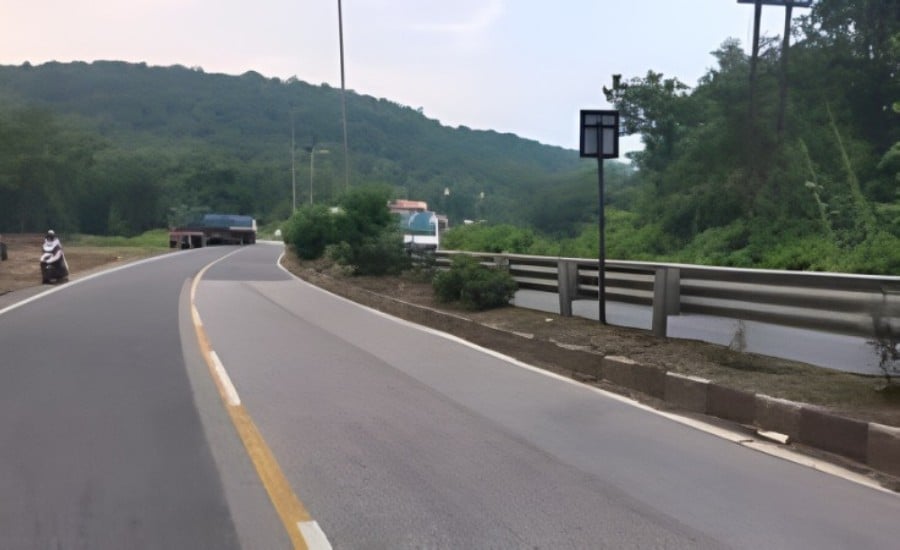
Ramgarh: Ramgarh in Jharkhand has witnessed a major transformation in road connectivity over the past 25 years, moving from poorly maintained rural roads and a dilapidated two-lane national highway network towards wider highways and improved village-level road links.
When Jharkhand was formed on November 15, 2000, Ramgarh was part of the erstwhile Hazaribagh district. At the time, several villages had limited road access, with dusty and pothole-ridden routes connecting rural areas to towns. The Ranchi-Patna stretch of NH-33 was also a deteriorated two-lane road.
Ramgarh became a separate district on September 12, 2007. Since then, its road infrastructure has seen several developments, with NH-20 (formerly NH-33) and NH-23 emerging as key routes for the district.
Hazaribagh-Ranchi Four-Lane Highway Marks Major Milestone
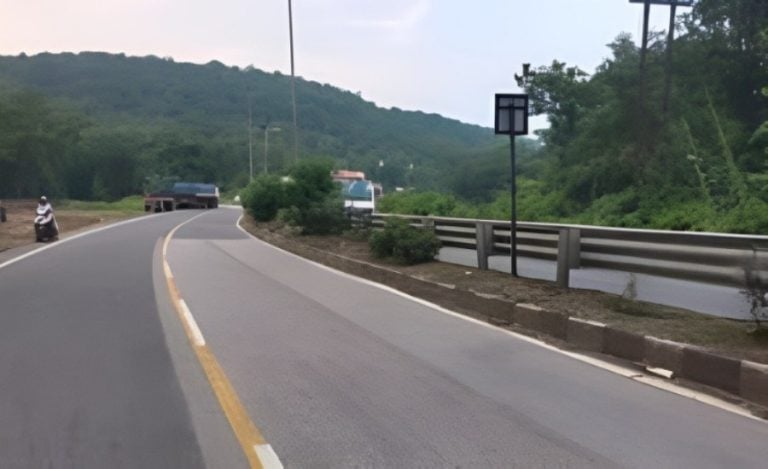
One of the significant developments in the district’s road infrastructure was the construction of the 73.8-km Hazaribagh-Ranchi four-lane highway in 2015.
Read Also: Jharkhand Identifies Five Carbon Credit Projects Across Government Departments to Boost Rural Income
The project included the Ramgarh and Kuju bypasses. The upgrade reduced travel time between Ranchi and Ramgarh from around two hours to approximately one hour.
Another road safety intervention has been undertaken at Patel Chowk, identified as a black spot on the Ranchi-Patna route. A six-lane underpass has been constructed there at a cost of ₹24.14 crore to address accident risks.
Further highway upgrades are also underway or proposed:
- Koriya Valley-Kuju-Patel Chowk: The 14-km stretch of the old NH-33 is being upgraded from a two-lane road to a four-lane highway at a cost of ₹277 crore.
- Patel Chowk-Sandi: A proposal has been made to widen the 13-km stretch into a four-lane road at an estimated cost of ₹274 crore.
PMGSY Connects Remote Villages Across Ramgarh
Rural road connectivity has also been a major focus of infrastructure development in the district.
More than 40 per cent of Ramgarh’s villages faced isolation during the monsoon around the time of Jharkhand’s formation in 2000.
Under the Pradhan Mantri Gram Sadak Yojana (PMGSY), remote settlements in blocks such as Patratu, Mandu, Dulmi, Gola and Chitarpur have been connected through all-weather roads.
Roads such as the Nayamore-Chitarpur-Sandi-Rajrappa route also connect mining areas and religious destinations in the district.
₹2,224-Crore Four-Lane Expressway Under Bharatmala Project
A major connectivity project under the Bharatmala initiative is the proposed 60-km four-lane expressway connecting Ormanjhi in Ranchi district to Jainamore in Bokaro district through Gola in Ramgarh.
The project has an estimated cost of ₹2,224 crore. It also includes five underpasses and flyovers designed to facilitate the movement of elephants.
The expressway is expected to provide a direct road link for Ramgarh with the coal-producing areas and the state capital.
PMGSY-IV to Extend Connectivity to Smaller Habitations
Future road development plans are focused on improving access to smaller and remote settlements.
The Union Government approved PMGSY-IV in 2024. Under the programme, habitations with populations of more than 100, based on the 2011 Census, in Left Wing Extremism-affected areas are also covered for road connectivity.
Settlements in the Naxal-affected areas of Barka village and Giddi in the wider region as among those expected to benefit from the initiative.
Six-Laning and Access-Controlled Highways Among Future Plans
The next phase of infrastructure planning for Ramgarh includes proposals to upgrade NH-20 and NH-23 into six-lane, access-controlled highways, along with the development of logistics hubs.
Within Ramgarh town, road widening is planned around Thana Chowk, Nehru Road and the Cantonment area. The creation of no-parking zones has also been proposed as part of efforts to address traffic congestion.
Another stated priority is to connect village roads with national highways, railway stations and agricultural markets.
Drone Surveys and Green Road Technology in Future Road Maintenance
The district’s longer-term road development vision also includes the use of technology and alternative maintenance approaches.
Proposed measures include:
- Drone surveys: Using aerial surveys for road planning and monitoring.
- Green road technology: Incorporating environmentally conscious methods in road construction.
- Women’s self-help groups: Involving women-led groups in road maintenance activities.
- Improved local connectivity: Connecting rural roads with highways, railway stations and markets.
The broader planning objective is to develop a connectivity model under which villages can access highways within 30 minutes.
From highway widening and bypass construction to rural road connectivity and proposed technology-based maintenance, Ramgarh’s road development plans outline the next phase of infrastructure expansion in the district.