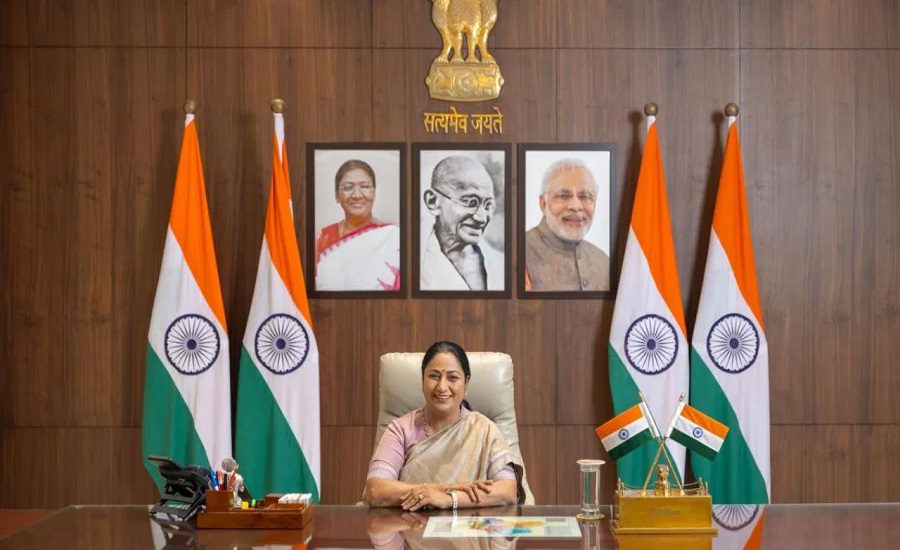
Delhi: Delhi Chief Minister Rekha Gupta has unveiled a bold plan to modernize the city’s healthcare system by integrating major government hospitals and developing state-of-the-art medical facilities. The initiative aims to provide advanced, accessible, and coordinated healthcare services, positioning Delhi as a national hub for medical excellence.
Key Hospitals to be Integrated
Under this initiative, Gurugram Tegh Bahadur Hospital (GTB), Delhi State Cancer Institute (DSCI), and Rajiv Gandhi Super Specialty Hospital (RGSSH) will be merged into autonomous institutes modeled on AIIMS. The integration will ensure better utilization of doctors, specialists, medical equipment, and infrastructure, resulting in more efficient and high-quality patient care.
Additionally, the Institute of Human Behaviour and Allied Sciences (IHBAS) will be developed into NIMHANS-2, a national center for mental health and neuroscience. The project will consolidate IHBAS’s 111.69-acre campus, with 75 acres allocated to GTB Hospital for creating an integrated healthcare campus with modern facilities.
Read also: Delhi CM Rekha Gupta Flags Off Amphibious Excavators to Clean Najafgarh and Pankha Road Drains
Addressing Bed Shortages and Patient Load
The government’s review highlighted the uneven utilization of hospital beds across Delhi:
- RGSSH has 650 beds, but only about 250 are in use, leaving 400 vacant.
- GTB Hospital operates 1,500 beds, exceeding its capacity of 1,400, while serving over 14 lakh OPD patients and 95,000 inpatients annually.
- DSCI records around 1.27 lakh OPD patients, and RGSSH serves about 2.87 lakh OPD patients each year.
This data underscores the need for coordinated hospital management to balance patient load and optimize resource use.
Strengthening Super-Specialty Services
CM Gupta outlined plans to streamline super-specialty services across the integrated hospitals:
- RGSSH: Cardiology, Pulmonology, Gastroenterology, Gastro Surgery, Nephrology, Urology, Rheumatology, Clinical Hematology.
- DSCI: Oncology services including Radiation Oncology, Surgical Oncology, Nuclear Medicine, Palliative Care, and Radio Imaging.
- GTB: Orthopedics, Internal Medicine, ENT, General Surgery, Neurosurgery, Endocrinology, Ophthalmology, and other key departments.
This consolidation will ensure patients receive specialized care at the right facility, reducing overcrowding and improving treatment outcomes.
Optimal Use of Advanced Medical Equipment
The review also revealed underutilized high-end medical equipment due to scattered resources and limited expert staff:
- RGSSH: Advanced bronchoscopy, Cath Lab, Echo Lab
- DSCI: Linear accelerator for radiotherapy
- GTB: Bone bank
The new integrated model will allow efficient use of these costly facilities, enhancing patient care and operational efficiency.
NIMHANS-2 Development at IHBAS
CM Gupta announced that IHBAS will be upgraded to NIMHANS-2, following the Bengaluru model. Plans include:
- Replacement of old structures with modern healthcare infrastructure
- New hostels, advanced laboratories (pathology, biochemistry), auditorium, and lecture theaters
- Creation of a fully integrated medical campus for research, treatment, and education
This project aims to strengthen mental health services, neuroscience research, and medical training in Delhi.
Delhi to Become a National Hub for Medical Excellence
CM Rekha Gupta emphasized that the integration of GTB, DSCI, RGSSH, and IHBAS will not only provide world-class super-specialty treatment to patients but also establish Delhi as a leader in medical research and education. The initiative reflects the government’s commitment to leveraging resources scientifically and delivering modern, accessible healthcare to all residents of the capital.
Read also: Delhi to Add 200 New Electric Buses, EV Fleet to Reach 7,500 by 2026 for Cleaner Public Transport