New Delhi: India is looking to add 100 vessels to its merchant fleet over the next five years as part of efforts to strengthen its shipping capacity and reduce dependence on foreign carriers for transporting the country’s cargo.
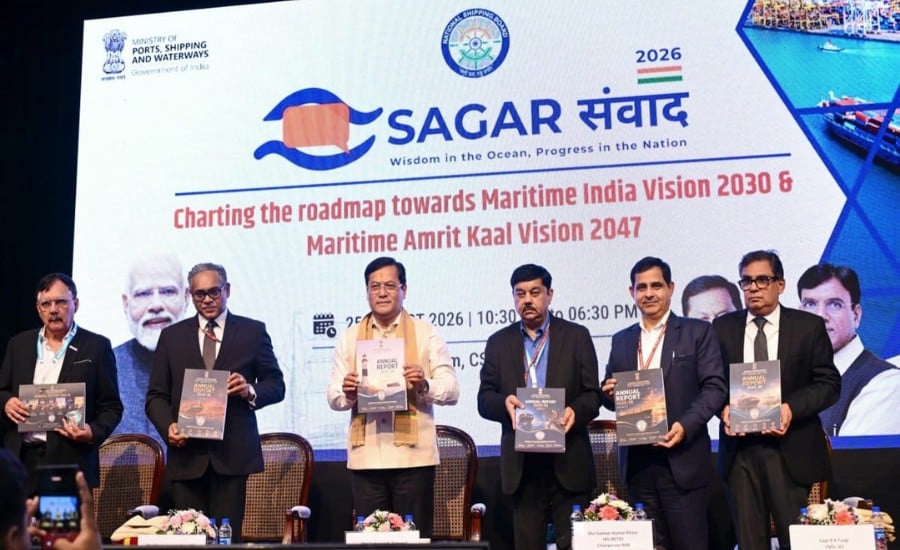
The proposal was highlighted by Union Minister for Ports, Shipping and Waterways Sarbananda Sonowal at the inaugural ‘Sagar Samvad’ organised by the National Shipping Board (NSB) in New Delhi on August 25.
The day-long dialogue, themed “Charting the Roadmap Towards Maritime India Vision 2030 and Maritime Amrit Kaal Vision 2047,” brought together government officials, shipowners, financiers, maritime experts and trainees from maritime institutes.
Five-Pillar Roadmap for Indian Shipping
The discussions identified five areas for strengthening the competitiveness of Indian-flagged vessels:
- Fiscal reforms
- Assured cargo support
- Access to competitive financing
- Regulatory streamlining
- Improved ease of doing business
The roadmap was discussed against the backdrop of the higher operating costs faced by Indian-flagged vessels.
According to the discussions at the event, Indian-flagged ships are currently 16% to 20% more expensive to operate than foreign-flagged vessels. The factors cited included taxes on ship imports and maintenance services, taxation related to seafarers’ wages and freight, and higher domestic capital costs.
The panel also pointed to the Right of First Refusal mechanism, under which Indian shipowners are required to match foreign freight rates to secure certain cargo.

India’s $75-Billion Foreign Freight Bill
Union Minister of State for Ports, Shipping and Waterways Shantanu Thakur said India pays nearly $75 billion annually to foreign shipping lines for transporting cargo, including crude oil, gas, coal and urea.
He said strengthening India’s own shipping capacity was necessary to reduce dependence on foreign carriers.
The discussions proposed that implementing the five-pillar roadmap could support the addition of 100 ships to India’s fleet within five years, contributing to the country’s longer-term maritime targets.
Sonowal Launches National Shipping Board Website
Union Minister Sarbananda Sonowal inaugurated the National Shipping Board’s official website during the event.
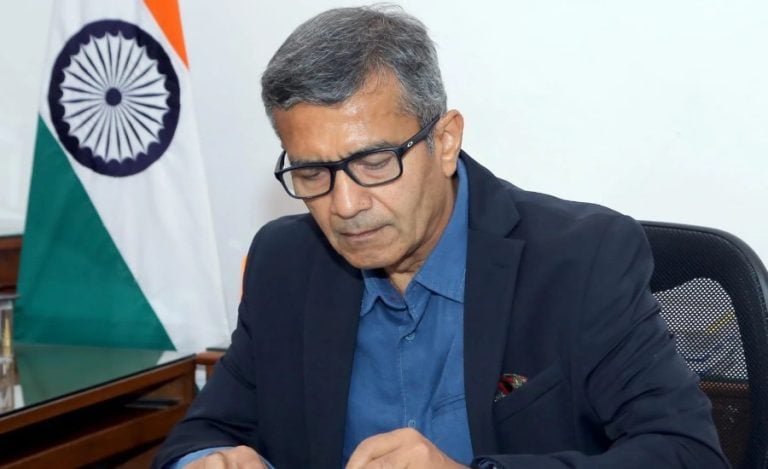
NSB Chairperson Sameer Kumar Khare also submitted the board’s 2025–26 annual report and reports of its subcommittees to the Union Minister.
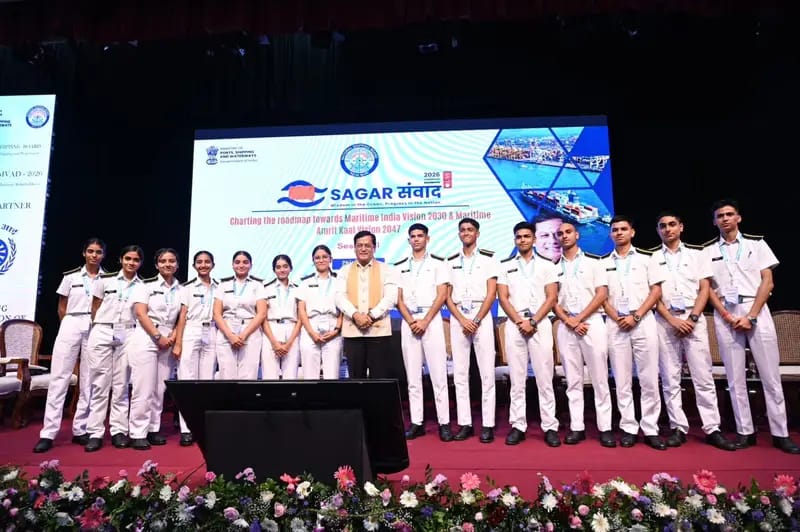
The National Shipping Board was constituted as a statutory advisory body in 1958 and currently operates under the Merchant Shipping Act, 2025 and the new National Shipping Board Rules.
Sonowal said the board’s role was to bring policymakers, industry representatives, technical experts and other stakeholders together to develop shipping policy.
Focus on Maritime Workforce and Youth
A separate session on “Maritime Labour Force: Opportunities and Challenges” was chaired by Union Minister for Labour and Employment and Youth Affairs & Sports Mansukh Mandaviya.
The discussion examined India’s seafaring workforce, including issues related to:
- Maritime employment and training capacity
- Wage taxation and pension-related concerns
- Welfare provisions for seafarers
- Gender disparity in maritime employment
- Employment opportunities in cruise shipping
- Skills required for advanced shipbuilding
Mandaviya said India should leverage global demand for skilled maritime professionals to create employment opportunities for its young workforce.
He also called for greater coordination between the government, maritime industry, trade bodies and training institutions to expand training and employment pathways.
Government Pushes Maritime Manufacturing
Sonowal also highlighted the ₹10,000-crore Container Manufacturing Assistance Scheme, noting that global shipping major Maersk has placed orders for containers manufactured in India.
He said India is targeting an increase in port capacity to 10,000 million tonnes annually by 2047.
The government is also pursuing the broader Maritime India Vision 2030 and Maritime Amrit Kaal Vision 2047, with the latter targeting India’s emergence among the world’s top five ship-owning nations.
Stakeholders Discuss Indian Tonnage
The session on “Augmentation of Indian Tonnage: Opportunities and Challenges”, chaired by Minister of State Shantanu Thakur, brought together representatives from shipowners, shipping lines, financial institutions and maritime authorities.
The discussions centred on the competitiveness of Indian shipping and ways to expand the country’s merchant fleet.
The inaugural Sagar Samvad concluded with deliberations on strengthening Indian shipping capacity, maritime workforce development and the policy measures required to support India’s long-term maritime ambitions.
Amrit Kaal Vision 2047, Maritime India Vision 2030, shipping industry India, Ministry of Ports Shipping and Waterways