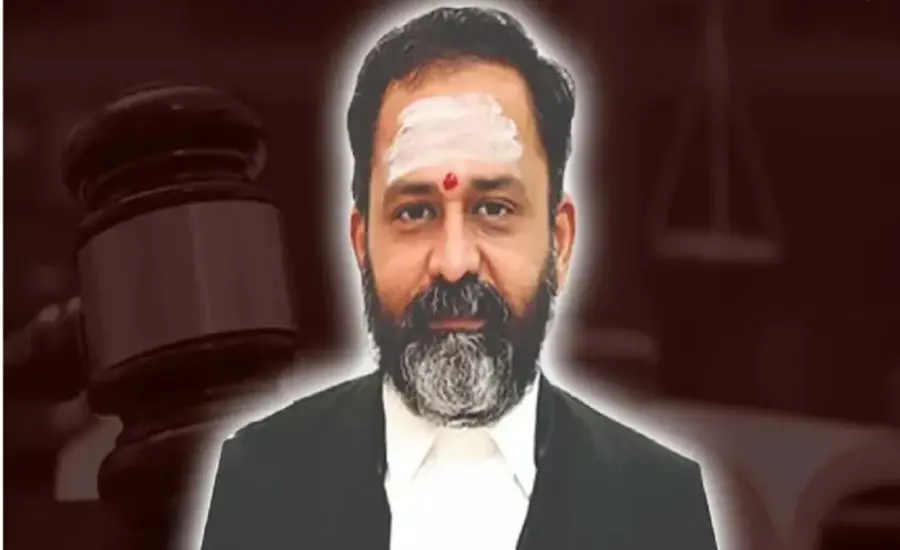
Madras: In the latest escalation of a politically charged confrontation involving the judiciary, Senior Advocate M. Sricharan Ranganathan has vehemently rejected allegations of bias in the impeachment notice filed against Justice G.R. Swaminathan of the Madras High Court. Describing the entire exercise as a “charade”, Ranganathan dismissed claims that Justice Swaminathan provided preferential treatment to him or others in court proceedings.
His rebuttal has further widened the debate around judicial independence, sparking responses from legal communities, former judges, and political factions across the country.
Background of Justice G.R. Swaminathan Impeachment Row
On December 9, 2025, a delegation of Members of Parliament from the INDIA bloc — led by the Dravida Munnetra Kazhagam (DMK) — submitted an impeachment notice to Lok Sabha Speaker Om Birla seeking removal proceedings against Justice G.R. Swaminathan.
The notice accuses the judge of judicial impropriety, bias, and gross misconduct in handling several high-profile matters before the Madras High Court.
Read also: Temple vs Dargah: Tamil Nadu Moves Supreme Court Over Thiruparankundram Hill Deepam Row
According to the motion, one of the core allegations is that Justice Swaminathan showed “undue favoritism” to a senior advocate — later identified as M. Sricharan Ranganathan — and to advocates from a particular community.
These claims, however, have now been categorically denied by the senior advocate himself.
Senior Advocate’s Response: Calling Allegations a ‘Charade’
Senior Advocate M. Sricharan Ranganathan responded to the allegations with strong words. He stated that his inclusion in the impeachment notice was a misrepresentation of facts and that normal courtroom conduct had been twisted to paint an image of impropriety.
According to Ranganathan:
- He categorically denied receiving any preferential treatment in case listings or hearings before Justice Swaminathan.
- He argued that the impeachment effort was not a sincere attempt to ensure judicial accountability but rather a targeted campaign against a judge perceived to be unyielding to political or ideological pressures.
- He described the impeachment notice as a “frontal assault on an unyielding judge” and said he was taken aback by how quickly the allegations against him and the judge gained traction.
Ranganathan added that he felt like a “soft target” in the midst of broader political conflict, emphasizing that the allegations lacked any substantive basis.
The Core of the Justice G.R. Swaminathan Impeachment Row: Judicial Decisions at the Centre of Political Backlash
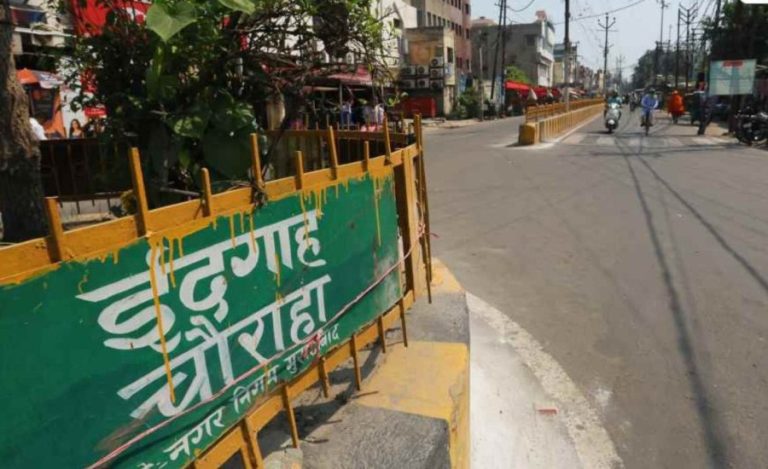
The move to initiate impeachment proceedings gained momentum following a series of controversial rulings by Justice Swaminathan. One significant flashpoint was his December 3, 2025 order permitting the lighting of the Karthigai Thiruparankundram deepam lamp Hill in Tamil Nadu — a site shared by a prominent temple and a dargah.
The decision, which allowed devotees to light the lamp despite objections from certain parties citing community concerns, drew sharp political and public scrutiny.
Opposition MPs and critics argue that several of Justice Swaminathan’s rulings reflect a pattern of bias or ideological leaning.
These include decisions on sensitive religious practices, administrative disputes, and procedural handling of cases that, according to the motion, suggest a lack of impartiality and disregard for established legal norms.
Broader Reaction: Legal Community and Former Judges Weigh In
The impeachment notice has not only polarized political opinions but has also elicited strong reactions from within the legal fraternity:
Support from Former Judges
Over 50 former judges from the Supreme Court and various High Courts have publicly condemned the impeachment effort, characterizing it as an intimidation tactic that threatens the independence of the judiciary. In a joint statement, they warned that such practices could undermine democratic foundations and coerced judicial conformity to political expectations.
Opposition Within the Legal Community
Senior lawyers and advocates practicing before the Madras High Court’s Madurai Bench have also taken a stand against the impeachment motion. In a formal memorandum submitted to Lok Sabha Speaker Om Birla, they argued that attempting to remove a sitting judge on such grounds undermines constitutional separation of powers and sets a dangerous precedent by enabling political overreach into judicial functions.
Political Dynamics and Contention Over Judicial Accountability
The case has intensified existing political fault lines in India, with different parties framing the issue through divergent lenses:
Opposition parties and MPs supporting the impeachment claim that the motion is a constitutional tool to check perceived judicial bias and uphold secular principles.
Judicial associations and legal experts argue that impeachment should not be wielded merely for disagreement with judicial decisions or ideological differences. They emphasize that the constitutional process for impeachment is an exceptional measure intended only for well-substantiated cases of misconduct.