New Delhi: The Suryastra rocket system is gaining urgent attention as the Indian Army speeds up its induction to strengthen long-range artillery capabilities. With rising security challenges and the emergence of Pakistan’s Fatah-II rocket system, India is focusing on modern, high-precision firepower.
The fast-tracking of the Suryastra rocket system aims to bridge critical artillery gaps, improve strike accuracy, and enhance battlefield readiness. This move aligns with India’s broader defense modernization push and focus on indigenous systems under “Aatmanirbhar Bharat.”
What is the Suryastra Rocket System?
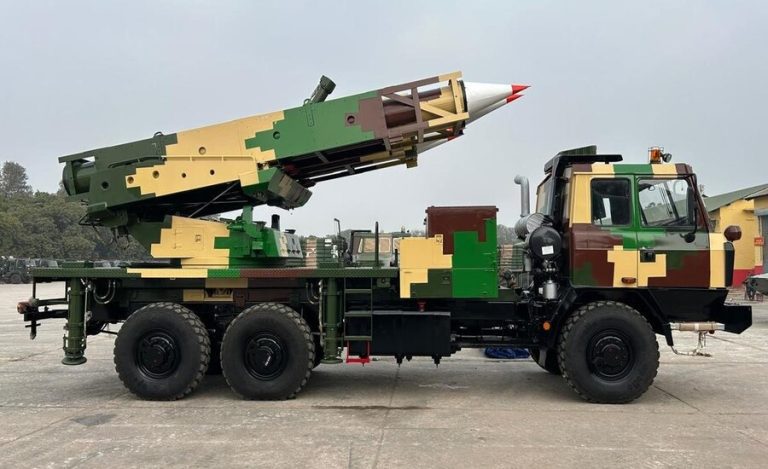
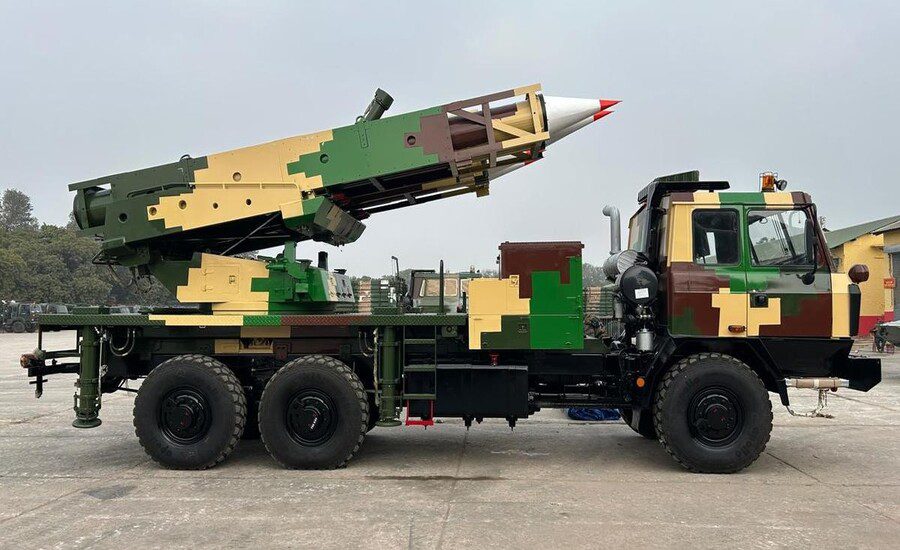
The Suryastra rocket system is an advanced indigenous long-range rocket artillery platform designed to deliver precision strikes over extended distances.
Read also: How Indian Army Plans to Turn Tank Smoke Launchers into Deadly Drone Systems for Future Warfare
What are the Features of Suryastra Rocket System
- Long-range strike capability (expected 150+ km range)
- High accuracy with guided munitions
- Quick deployment and mobility
- Ability to hit strategic and tactical targets
- Compatible with modern surveillance and targeting systems
The system is being developed to complement and enhance existing platforms like Pinaka.
Why India is Fast-Tracking Suryastra Rocket System
The Indian Army is accelerating the induction due to multiple operational needs:
1. Artillery Capability Gap
- Existing systems have limited range compared to modern threats
- Need for deeper strike capability across borders
2. Emerging Threat from Pakistan’s Fatah-II
- Fatah-II reportedly has a range of around 400 km
- It provides Pakistan with enhanced stand-off strike capability
- India requires a counter system to maintain strategic balance
3. Modern Warfare Requirements
- Precision-guided weapons are now essential
- Faster response time is critical in high-intensity conflicts
- Integration with surveillance drones and satellites is needed
How Suryastra Strengthens India’s Defense
Enhanced Strike Range
The system allows Indian forces to target enemy positions deep inside hostile territory without moving close to the border.
Improved Precision
Guided rockets reduce collateral damage and increase mission success rates.
Force Multiplication
It acts as a force multiplier by supporting infantry, armored units, and air operations.
Quick Reaction Capability
Mobile launch systems enable rapid deployment and repositioning.
Comparison: Suryastra vs Fatah-II
| Feature | Suryastra (India) | Fatah-II (Pakistan) |
| Type | Guided Rocket System | Guided Rocket System |
| Range | 150+ km (expected) | ~400 km |
| Accuracy | High (guided) | High (reported) |
| Role | Tactical + Strategic | Strategic strike |
| Status | Under fast-track induction | Operational/Testing |
While Fatah-II has a longer range, Suryastra focuses on precision and integration with India’s existing defense ecosystem.
Focus on Indigenous Defence Development
The Suryastra project reflects India’s push for self-reliance in defense manufacturing.
Key Objectives
- Reduce dependence on imports
- Promote domestic defense industry
- Strengthen long-term military readiness
This aligns with government initiatives to boost indigenous production and innovation.
Operational Impact on the Battlefield
- Strengthens deterrence against adversaries
- Improves response in border tensions
- Enhances capability in both western and northern sectors
- Supports integrated battle groups (IBGs)
Read also: Indian Navy 2035 Vision: Inside the 200 Warships Induction Under Atmanirbhar Bharat Plan