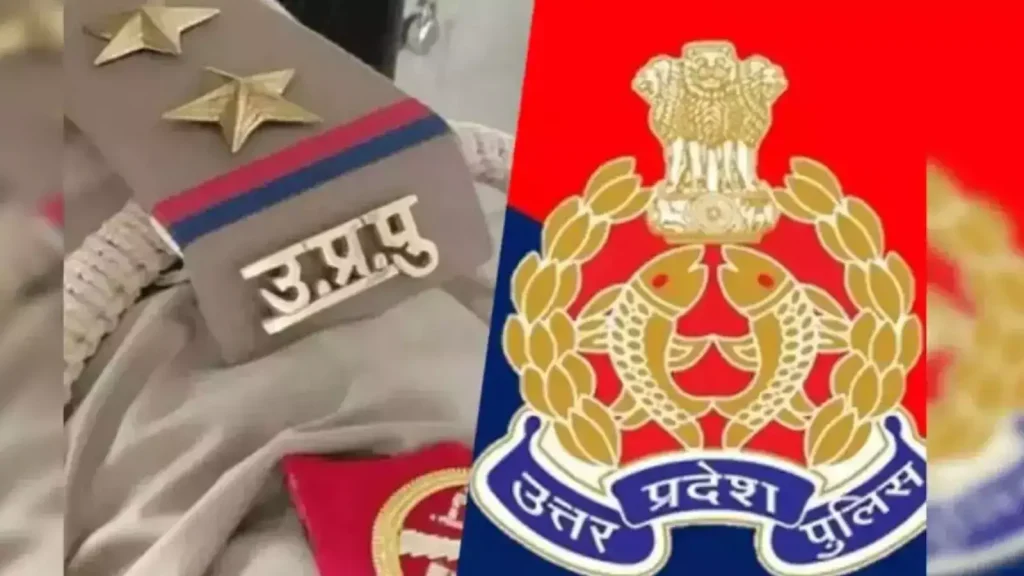
Lucknow/New Delhi: The appointment of a permanent Director General of Police in Uttar Pradesh has hit another administrative hurdle after the Union Public Service Commission returned the proposal sent by the state government, raising objections and asking for the panel to be resubmitted in accordance with applicable 2025 guidelines.
The development is likely to delay the long-pending selection of a full-time police chief in India’s most populous state, which has remained without a permanent DGP since May 2022.
At present, Rajiv Krishna, a 1991-batch IPS officer, continues to serve as Acting DGP.
UPSC Returns Entire Proposal Sent by UP Government
According to official sources, the Uttar Pradesh government had recently forwarded a panel of senior IPS officers to the UPSC for the appointment of a permanent DGP.
The proposal was sent after compiling names of officers who had completed 30 years of service, in line with established norms governing selection of state police chiefs.
However, instead of processing the panel, the Commission returned the proposal after recording objections.
The UPSC has asked the state government to send a revised proposal prepared strictly according to circulars and selection guidelines applicable for 2025.
Read also: Explained: Why LBSNAA Told New IAS and IPS Officers to Avoid Social Media Self-Promotion
Panel Included More Than Three Dozen Senior IPS Officers
Sources indicate that the state government had sent names of more than three dozen IPS officers from batches between 1990 and 1996.
This broad panel was expected to serve as the basis for shortlisting.
Under the established selection mechanism, UPSC examines eligible officers and prepares a shortlist of three names based on seniority, service record and eligibility.
That shortlist is then sent back to the state government, which selects one officer for appointment as DGP.
Why the Proposal Was Returned
The exact objections raised by UPSC have not been officially detailed, but sources suggest procedural and format-related issues linked to revised selection norms may be involved.
The Commission specifically asked that the proposal be resubmitted in accordance with 2025 circulars and updated procedural guidelines.
This indicates that the panel submitted by the state may not have fully aligned with current selection requirements.
Fresh Delay in a Long-Pending Appointment Process
Because the entire proposal has been returned rather than partially processed, the appointment process may now face another delay.
The state government will need to revise the panel and send a fresh proposal before UPSC can begin formal scrutiny again.
This means the appointment of a full-time DGP may remain pending for some more time.
Supreme Court Framework Continues to Govern DGP Selection
The process for appointing state DGPs follows the framework laid down by the Supreme Court of India.
Under these directions:
• eligible officers must have at least 30 years of service
• UPSC prepares a shortlist of three names
• state government selects one officer from the panel
• appointment is made to ensure fixed tenure norms
The Yogi government had initiated the present process under these judicial requirements.
Rajiv Krishna Among Leading Contenders
Among senior officers under consideration, Rajiv Krishna has emerged as one of the strongest contenders for the permanent post.
He currently serves as Acting DGP and belongs to the 1991 IPS batch.
Given his present role and seniority, his name has remained central to discussions surrounding the permanent appointment.
UP Without Permanent DGP Since 2022
Uttar Pradesh has not had a permanent Director General of Police since May 2022.
Successive interim arrangements have continued while the formal appointment process remained unresolved.
The prolonged absence of a permanent DGP has frequently drawn attention because of the administrative importance of the post in a state as large and complex as Uttar Pradesh.
Acting Arrangement Continues for Now
Rajiv Krishna has been serving as Acting DGP since June 2025.
Until UPSC completes scrutiny and the state government receives a valid shortlist, the acting arrangement is expected to continue.
What Happens Next
The Uttar Pradesh government must now:
• revise the proposal
• align it with 2025 UPSC guidelines
• resubmit eligible names
• await fresh scrutiny by UPSC
Only after this can the Commission prepare the final shortlist.
Administrative Significance of the Delay
The DGP post is among the most critical positions in state administration, particularly in Uttar Pradesh where policing involves extensive law-and-order management, election preparedness, communal sensitivity and large-scale security coordination.
A delay in permanent appointment means continuity remains dependent on interim arrangements.
Political and Bureaucratic Attention on Final Selection
Given the strategic significance of the post, the eventual selection will continue to attract close bureaucratic and political attention.
The fresh UPSC objections have effectively reopened the process.