Lucknow: Uttar Pradesh is targeting more than 500 Global Capability Centres (GCCs) by 2031 as it seeks to attract multinational companies and expand its technology, research and business-services ecosystem.
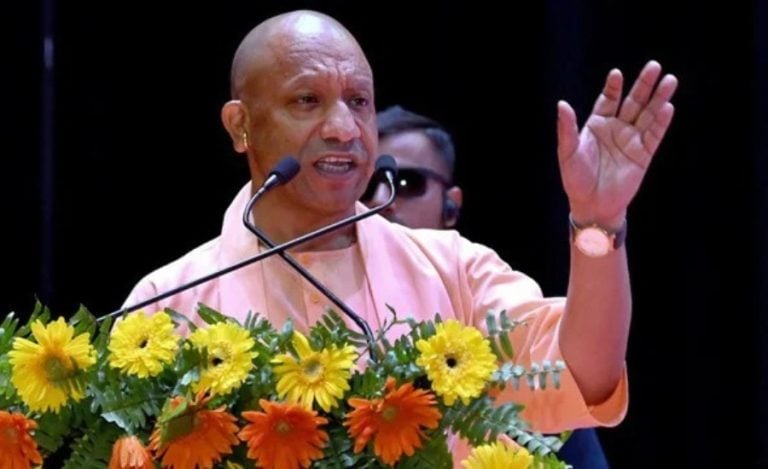
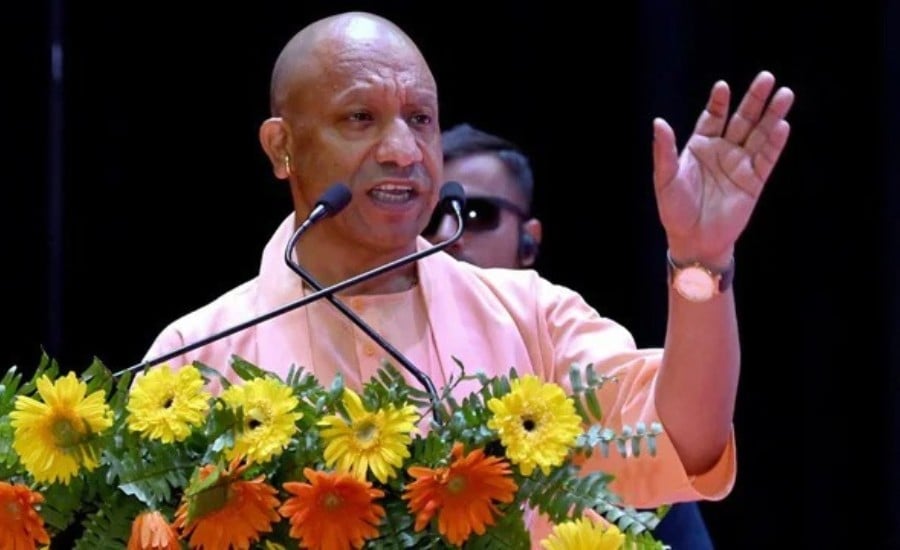
Chief Minister Yogi Adityanath will inaugurate the UP GCC Innovation Summit 2026 in Lucknow on October 26. Organised by the IIT Kanpur Alumni Association in collaboration with Invest UP and HCLTech, the event is expected to bring together more than 100 industry representatives, GCC executives, investors, policymakers and academic and infrastructure-sector stakeholders.
The summit is expected to witness the signing of 15 memoranda of understanding (MoUs) and the issuance of five Letters of Comfort (LoCs) to prospective investors. These are planned outcomes of the event, rather than confirmed operational investments.
UP Targets More Than 500 GCCs by 2031
Uttar Pradesh currently has more than 200 operational GCCs across sectors including banking and financial services, engineering, manufacturing, healthcare, semiconductors and technology, according to figures cited in the summit announcement.
Read Also: LuLu Group Plans Another ₹10,000 Crore Investment in Uttar Pradesh, Opens Greater Noida Hypermarket
GCCs are centres established by companies to manage specialised functions for their parent organisations. Their activities can include technology development, research and development, data analytics, engineering, finance and other business services.
The state government aims to attract new centres while encouraging existing facilities to expand and take on more specialised functions.
GCC Policy Offers Capital and Land Subsidies
The Uttar Pradesh GCC Policy 2024 forms part of the state’s strategy to attract investment in technology-intensive operations.
According to the published policy, eligible projects can receive a capital subsidy of up to 25% of eligible capital investment, subject to category-specific limits and conditions. The policy also provides for land subsidies ranging from 30% to 50% through state industrial development authorities or other government agencies.
Other incentives available to eligible projects include:
- Operational subsidy: 20% of specified operating expenses, subject to prescribed limits.
- Interest subsidy: 5% on eligible term loans, within the policy’s limits.
- Payroll support: Reimbursement for eligible employees, subject to applicable conditions.
- Skill development assistance: Support for specified training programmes.
- Research and innovation support: Incentives for eligible centres of excellence and academic partnerships.
Noida and Greater Noida Remain Key Technology Hubs
Noida and Greater Noida are central to Uttar Pradesh’s efforts to attract GCCs, supported by their location within the National Capital Region and established commercial and technology infrastructure.
The state is also seeking to expand opportunities in Lucknow and other cities, including Kanpur and Varanasi. A wider geographical spread could give companies additional locations for specialised operations, depending on infrastructure, workforce availability and business requirements. The government’s investment-promotion material identifies these cities as part of its broader GCC development strategy.
Access to skilled professionals is another consideration in attracting companies that undertake advanced technology and research functions.
Institutions such as IIT Kanpur, IIT (BHU) Varanasi and IIIT Lucknow could contribute through industry partnerships, specialised training and applied research.
MoUs With Academic Institutions Planned
The summit is also expected to promote collaboration between industry and educational institutions. According to the event details, MoUs involving around 13 universities and academic institutions are planned to support industry-academia partnerships and help align education and training with changing workforce requirements.
The proposed collaborations are intended to address the skills needed for technology-oriented roles and strengthen links between employers and academic institutions.
AI and Advanced Technology to Feature at Summit
Artificial intelligence, digital transformation, product engineering and innovation are expected to feature prominently in the summit’s discussions.
Sessions are planned around the changing role of GCCs, which increasingly undertake specialised activities beyond traditional service delivery. These can include technology development, engineering, analytics and research for global operations.
Discussions are also expected to cover workforce reskilling and skills in areas such as AI, cybersecurity, analytics and digital engineering.
Government departments dealing with investment promotion, information technology, electronics, industrial development, education and skill development are expected to participate in discussions on investment facilitation and the infrastructure required for GCC operations.
Converting Investment Interest Into Operational Centres
Uttar Pradesh’s target of more than 500 GCCs by 2031 will depend on attracting new companies, enabling existing centres to expand and meeting investors’ requirements for infrastructure and skilled talent.
The October 26 summit is intended to strengthen engagement between the state government, global enterprises, investors and academic institutions. The proposed MoUs and Letters of Comfort will be among the announcements to watch as the state pursues its GCC expansion target.
Read Also: UP Steps Up Investment Clearances as Commissioner Deepak Kumar Reviews Project Bottlenecks