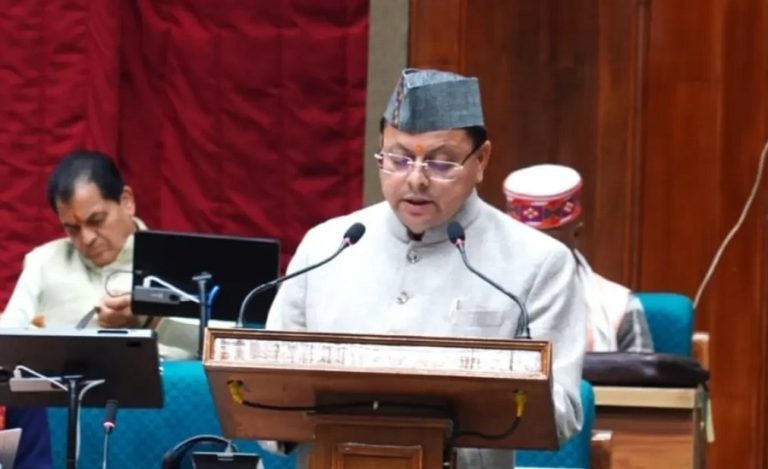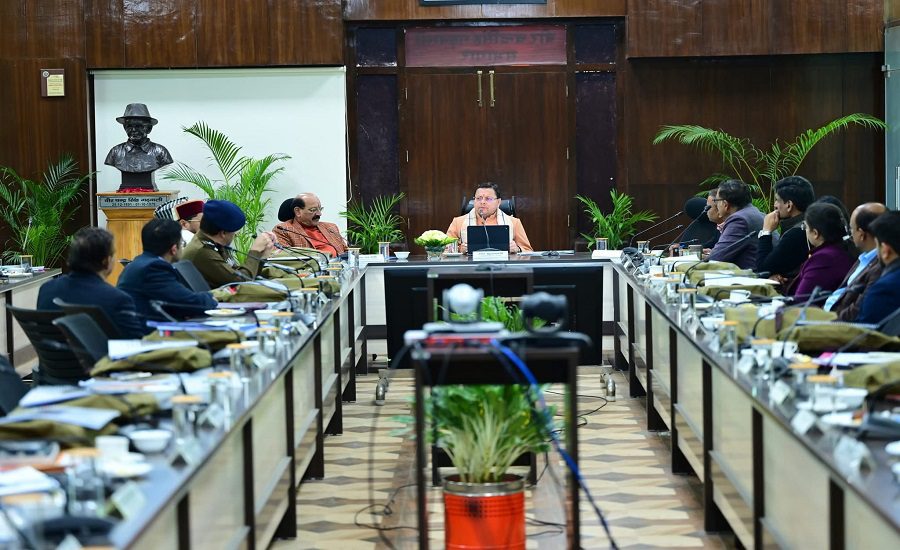
Dehradun: Chief Minister Pushkar Singh Dhami chaired the 22nd meeting of the Uttarakhand State Wildlife Board, emphasizing the growing concern over human-wildlife conflicts in the state. The CM called for stronger and more effective measures to mitigate risks, particularly in areas prone to encounters with bears, leopards, tigers, and elephants. He instructed the Forest Department and district administrations to ensure coordinated monitoring and vigilance.
Enhanced Monitoring and Safety Measures
CM Dhami directed regular patrolling in sensitive zones, deployment of digital surveillance, and the full activation of early warning systems. He stressed the installation of protective measures in affected villages, including solar fencing, bio-fencing, honey bee fencing, watchtowers, and other safety mechanisms. Awareness camps were also recommended to educate local communities on vigilance and safety protocols.
Additionally, the Rapid Response Teams (RRTs) are to remain fully operational to respond swiftly to wildlife incidents.
Read also: Uttarakhand CM Dhami Highlights BIS Role in Quality and Consumer Protection at 79th Foundation Day
Protection of Wildlife Corridors and Infrastructure
The CM highlighted the importance of safeguarding all wildlife corridors, including elephant and tiger corridors, ensuring safe passage for animals. Measures such as animal passes, underpasses, and overpasses along migratory routes are to be implemented more effectively. He also instructed relevant departments to propose amendments to current wildlife protection laws, if needed, for better management.
At the district level, Wildlife Coordination Committees under the leadership of District Magistrates are to be kept active, with hotspot mapping of sensitive districts, blocks, and villages completed promptly. Safety measures near schools, anganwadis, water sources, and pedestrian paths were also emphasized.
Focus on Waste Management and Eco-Tourism
CM Dhami stressed that proper solid waste management in villages is crucial to prevent bears and other wildlife from being attracted to human settlements. He urged the strengthening of eco-tourism infrastructure, not only in reserve forests but also across wildlife sanctuaries and conservation reserves.
Veterinary support is to be provided in territorial forest divisions to reduce human-wildlife conflicts and ensure public safety.
Approval of Projects and Wildlife Conservation Plans
During the meeting, nine proposals related to forest land transfer were approved, including:
- Four drinking water projects in Kedarnath Wildlife Sanctuary, Rudraprayag
- Two additional water supply projects
- Two highway projects linked to Rajaji National Park
- One optical fiber project related to Ramnagar forest division
Moreover, 22 proposals concerning minor mineral extraction within 10 km of protected areas were referred to the National Wildlife Board for further consideration.
Forest Minister and Wildlife Officials’ Remarks
Forest Minister Subodh Uniyal described the board’s decisions as comprehensive and forward-looking steps to balance wildlife conservation with human safety, strengthening Uttarakhand’s overall wildlife management framework.
Principal Chief Conservator of Forests Ranjan Kumar Mishra highlighted approvals granted by the National Wildlife Board for:
- Redevelopment of Chaurasi Kutia
- Restoration of damaged access routes to Mansa Devi Temple
- Construction of Rishikesh Neelkanth Mahadev Ropeway
- Special restoration of Laldhang-Chillarkhal forest highway
From July to December 2025, 56 forest land transfer proposals were approved under the Wildlife Management Plan, while 29 proposals received No Objection Certificates. Compensation for human fatalities due to wildlife incidents has been increased from ₹6 lakh to ₹10 lakh.
Rapid Response and Rescue Infrastructure
To address human-wildlife conflicts promptly, 93 Quick Response Teams (QRTs) have been formed across 32 forest divisions. Approval was also granted to propose the establishment of Wildlife Rescue Centers in Pithoragarh, Champawat, and Rudraprayag to the Central Zoo Authority.
CM Dhami’s directives aim to enhance wildlife conservation while ensuring community safety, promoting a sustainable coexistence between humans and wildlife in Uttarakhand.
Read also: Uttarakhand CM Pushkar Singh Dhami Transfers ₹140 Crore to Over 9 Lakh Pension Beneficiaries via DBT