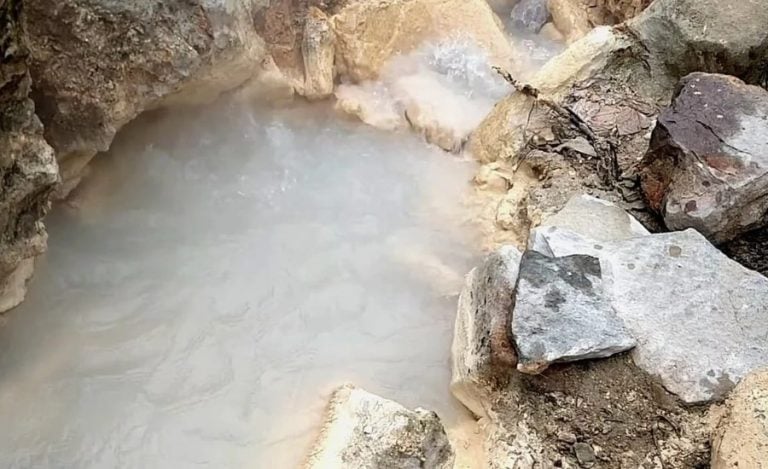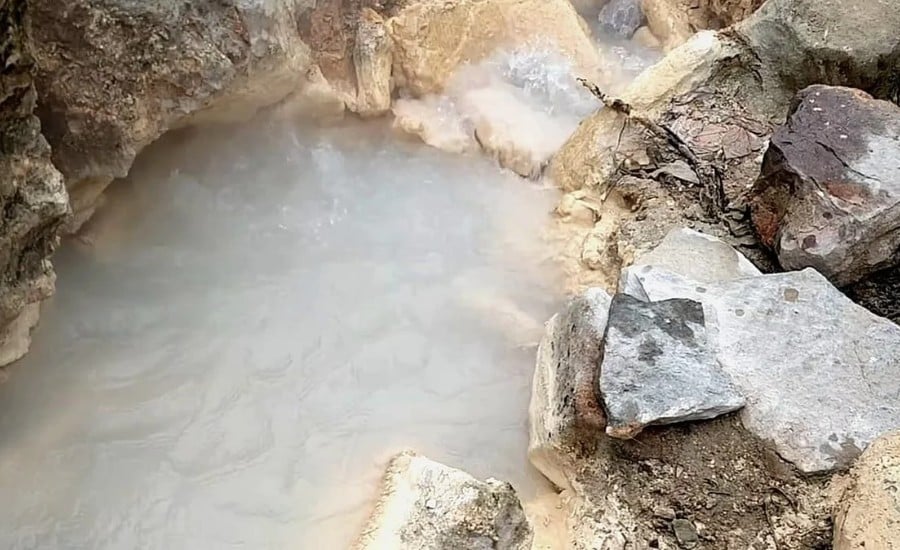
Dehradun: Uttarakhand is planning to develop its natural geothermal springs as tourism destinations, with Madkot in Pithoragarh district emerging as the proposed first location for a dedicated bathing facility.
The Tourism Department is preparing a project that would allow visitors to bathe in naturally heated spring water. The initiative could eventually be extended to other suitable sites, depending on the outcome of the initial development.
Tourism Minister Satpal Maharaj has highlighted the potential of the state’s hot springs to provide a relaxing stop for pilgrims and travellers navigating the mountainous region.
Madkot Project to Include Bathing and Visitor Facilities
The proposed development at Madkot centres on creating a geothermal bathing pool, alongside accommodation and other facilities for visitors.
The Uttarakhand tourism planning documents also identify Madkot hot spring for potential site improvements, including an entry plaza, parking, pathways and trails along the river, as well as outdoor furniture.
Read Also: Beyond Char Dham: Uttarakhand Unveils New Tourism Calendar for Year-Round Trave
The project aims to make the natural spring more accessible to tourists and potentially integrate it into the state’s wider tourism circuit. However, the proposed facilities should not be confused with a fully operational tourist destination; the department is still preparing the project.
If the initiative proves successful, the state could consider similar developments around other geothermal springs.
Uttarakhand Has at Least 40 Identified Geothermal Springs
Research by scientists at the Wadia Institute of Himalayan Geology in Dehradun has identified 40 active geothermal springs in Uttarakhand. Additional sources may remain undocumented.
According to institute scientist Dr Sameer Kumar Tiwari, the Kumaon region contains a notable concentration of these springs. A geothermal belt near the Gori Ganga river extends for approximately 13 kilometres and contains around 10 springs.
Their potential applications extend beyond tourism. Geothermal springs can be explored for:
- Wellness and bathing: Facilities such as geothermal spas and balneotherapy, which involves bathing in mineral-rich water.
- Agriculture and horticulture: Potential applications in greenhouse cultivation and certain agricultural activities.
- Aquaculture: Opportunities to explore temperature-controlled water environments for aquatic farming.
- Energy: Research into geothermal resources for heating and electricity generation, subject to site-specific assessments.
The Wadia Institute’s research programme includes assessing Himalayan geothermal resources for potential electricity generation and local energy use.
The proposed tourism initiative therefore forms part of a broader conversation about how Uttarakhand can make use of its natural geothermal resources.
The development of individual sites will require appropriate planning and assessment of water quality, environmental conditions, accessibility and visitor safety. The proposed Madkot project could provide an initial model for determining whether selected hot springs can be developed into sustainable tourism attractions.