New Delhi: Defence Minister Rajnath Singh has called for greater private sector participation, higher investment in research and development (R&D), and stronger manufacturing capacity to make India a leading global defence production hub. His remarks come as the country’s defence exports reached a record ₹38,424 crore in the financial year 2025–26.
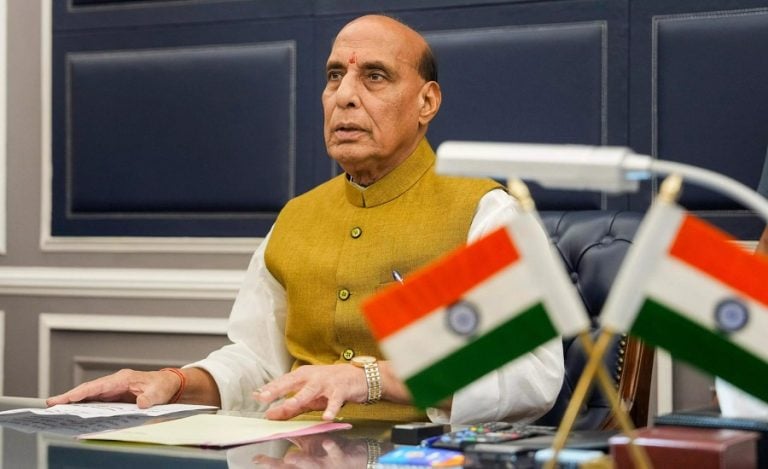
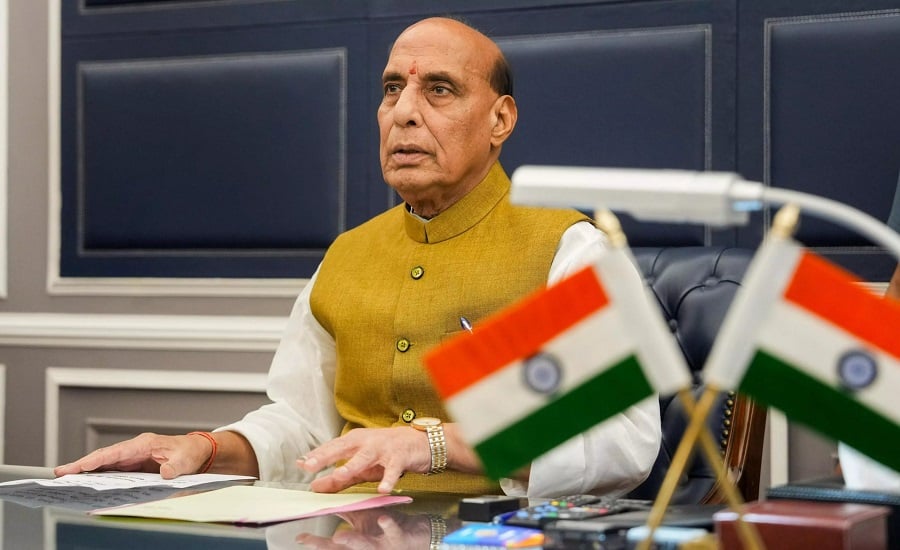
Speaking at the 8th Annual Session of the Society of Indian Defence Manufacturers (SIDM) in New Delhi on October 9, 2026, Singh presented the SIDM Champion Awards 2026 to organisations recognised for their contributions to indigenous technology, product innovation, design, import substitution, manufacturing excellence and exports.
A total of 15 awards were presented at the event, which brought together government officials, defence industry leaders and representatives of Indian and international defence companies.
Singh said national security increasingly depends on India’s ability to design, develop, manufacture and control the technologies and equipment required by its armed forces. He expressed confidence that the country’s talent pool, young workforce, industrial capabilities and policy support could help India emerge among the world’s leading defence manufacturing nations.
India’s Defence Exports Cross ₹38,000 Crore
India’s defence exports reached a record ₹38,424 crore in FY 2025–26, marking growth of more than 60% compared with the previous financial year, according to the Defence Ministry’s announcement.
The rise reflects the expanding role of Indian manufacturers in supplying military equipment and related products to international markets. It also highlights the growing importance of domestic defence production in India’s industrial and economic development.
Singh reiterated the target of achieving ₹50,000 crore in defence exports by 2029. Meeting this target will require manufacturers to improve product quality, develop advanced technologies and increase their ability to meet the requirements of overseas buyers.
India’s defence industry has traditionally relied heavily on imported equipment for several critical requirements. The government is now seeking to strengthen domestic manufacturing so that Indian companies can supply more equipment to the armed forces while expanding their presence in global markets.
Read also: India-France Rafale M Deal: How India Plans To Integrate Its Own Weapons in Rafale M Fighter Jets
Rajnath Singh Calls for Greater Private Sector Participation
The defence minister stressed that private companies must play a larger role in India’s defence production ecosystem.
He recalled his earlier call to increase the private sector’s share of total defence production from approximately 24% to 50%. Singh noted that private industry participation had grown significantly over the past 12 years and urged industry leaders to set progressive milestones towards this objective.
Greater private participation can bring additional investment, specialised expertise and competition into defence manufacturing. It can also open opportunities for startups, engineering companies and micro, small and medium enterprises (MSMEs) that develop components, software, sensors and other defence technologies.
The minister assured industry representatives that the government would continue to support the sector’s growth while maintaining necessary standards of regulation, safety, quality and accountability.
A stronger private defence industry could also help broaden domestic supply chains and create opportunities for skilled workers, engineers, researchers and technology professionals.
R&D Investment Crucial for Defence Self-Reliance
Singh highlighted research and development as a key requirement for building a technologically advanced defence industry. He urged manufacturers to treat R&D expenditure as a strategic investment that strengthens operational preparedness, improves competitiveness and contributes to national security.
Modern warfare increasingly depends on advanced technologies, including drones, missiles, air defence systems, software and communications equipment. Developing these capabilities within India can reduce dependence on foreign suppliers and give the armed forces greater access to technologies suited to their operational needs.
Investment in indigenous research can also help Indian companies move beyond manufacturing existing products towards designing and developing advanced systems of their own.
For the defence industry, stronger R&D capabilities could improve product performance, encourage innovation and help Indian manufacturers compete for international contracts. The minister’s message was that long-term competitiveness depends not only on production volumes but also on the ability to develop reliable and advanced technology.
Operation Sindoor Highlights Need for Faster Production
Referring to Operation Sindoor, Singh emphasised the importance of ensuring that domestic manufacturing facilities can rapidly increase production when required.
He urged defence companies to develop innovative solutions that allow them to expand output quickly and respond to changing operational demands.
The ability to scale up production is important during periods of heightened security requirements, when the armed forces may need equipment and supplies within limited timeframes. Flexible manufacturing systems and reliable domestic supply chains can help companies respond to such requirements.
Strengthening production capacity can therefore support both routine defence procurement and urgent operational needs. It can also help reduce delays that may arise when equipment or components depend on overseas supply chains.
Singh’s call for enhanced production capacity places industrial readiness alongside technology development and export growth as important priorities for India’s defence sector.
Government Reforms Aim to Strengthen Domestic Manufacturers
The minister acknowledged the role of the Society of Indian Defence Manufacturers in bringing industry stakeholders together and supporting dialogue between policymakers and companies.
Established in 2017, SIDM represents large enterprises, MSMEs, startups, academia and foreign original equipment manufacturers. The organisation provides a platform for discussing industry requirements and the policies needed to strengthen domestic defence manufacturing.
Singh also referred to government reforms and initiatives designed to expand the capabilities of India’s private defence industry. These include:
- Defence Acquisition Procedure: Provides a framework for defence procurement.
- Defence Procurement Manual: Sets out procurement guidelines and processes.
- Positive Indigenisation Lists: Identify defence items targeted for domestic sourcing and manufacturing.
- SRIJAN portal: Helps identify opportunities for indigenisation in defence.
- Innovations for Defence Excellence (iDEX): Encourages startups and innovators to develop defence-related technologies.
These measures aim to expand opportunities for Indian manufacturers, encourage domestic innovation and support the development of indigenous defence equipment.
SIDM Champion Awards Recognise Defence Innovation
The SIDM Champion Awards 2026 recognised organisations for achievements in indigenous technology development, product innovation, design capabilities, import substitution, manufacturing excellence and exports.
By recognising these contributions, the awards highlighted the role of domestic companies in strengthening India’s defence industrial base.
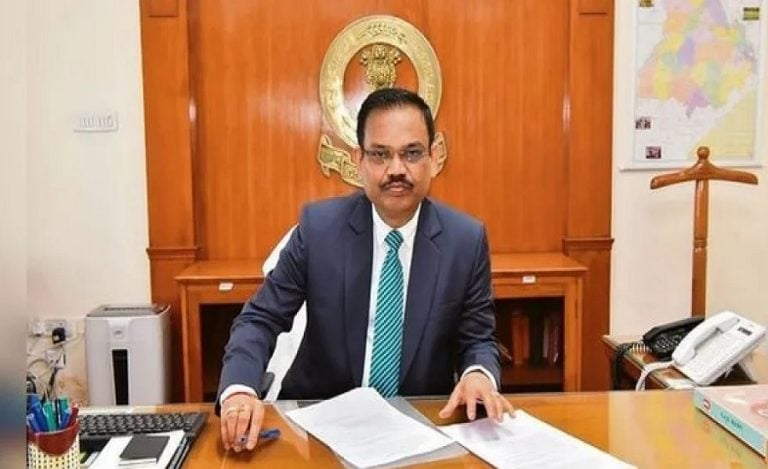
The event was attended by Defence Secretary Rajesh Kumar Singh, Director General (Acquisition) A. Anbarasu, SIDM Founder President Baba Kalyani, SIDM President Arun Ramchandani, senior government officials, representatives of the Defence Forces and leaders of Indian and international defence companies.
The annual session was held under the theme, “Sovereign Capabilities, Contested Frontiers: Accelerating India’s Strategic Autonomy in an Era of Disruption.” The theme reflected the growing importance of developing domestic capabilities as military technology and security requirements continue to evolve.
India’s Next Phase of Defence Manufacturing Growth
India’s record defence exports provide a foundation for the government’s next phase of defence industry expansion. However, reaching the ₹50,000-crore export target by 2029 will require continued improvements in manufacturing capacity, technology, product quality and global competitiveness.
Greater private sector participation, investment in R&D and stronger production systems could help India reduce import dependence while creating opportunities for domestic companies and skilled professionals.
The broader objective is to build a defence ecosystem that supports the operational needs of the armed forces, strengthens the domestic industrial base and expands India’s role in the international defence market.
Read also: Why India And Greece Are Strengthening Coastal Security And Maritime Cooperation