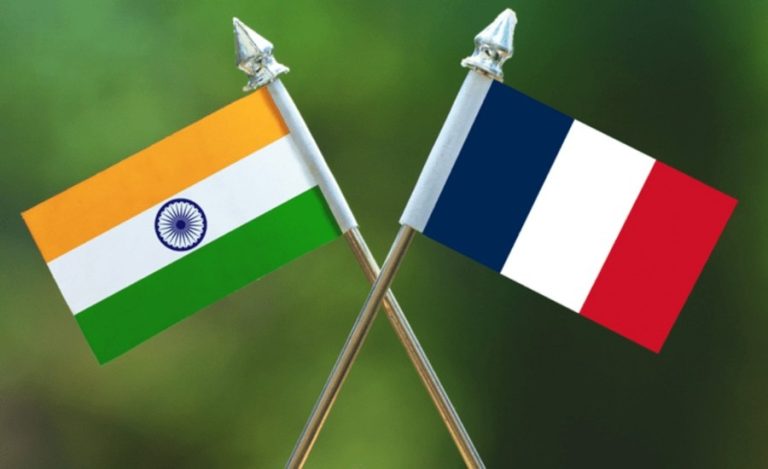
New Delhi: India’s Rafale-M deal with France includes a technology transfer clause that will help India integrate its own weapons into the French-made naval fighter jet. The agreement supports India’s efforts to strengthen domestic defence technology and reduce dependence on foreign suppliers.
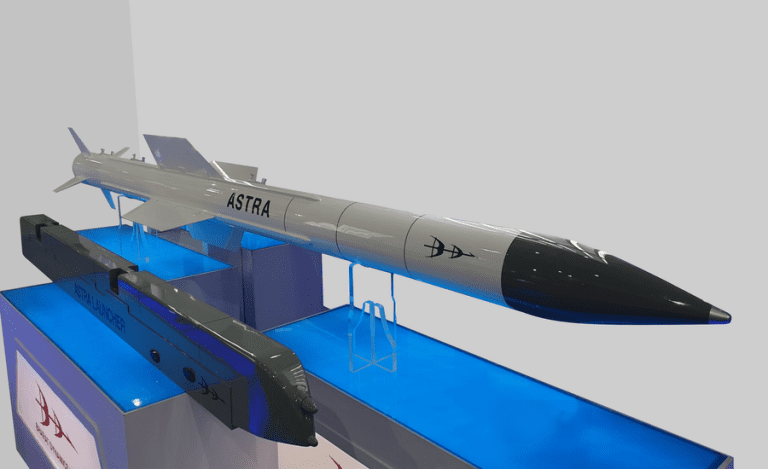
According to the Indian Ministry of Defence, the deal also covers aircraft, weapons, pilot training, simulators and long-term support. The provision could help Indian-developed weapons work with the Navy’s future Rafale-Marine fleet, although the final list of weapons for integration has not been officially confirmed.
India-France Rafale-M Deal: What Has Been Confirmed
The Indian Ministry of Defence confirmed the key terms of the agreement signed between India and France on April 28, 2025. The agreement covers the purchase of 26 Rafale-Marine fighter aircraft for the Indian Navy.
Read also: How DRDO Missile Technology Transfer Could Create India’s Next Defence Manufacturing Boom
According to the government’s official announcement, the agreement includes technology transfer for integrating indigenous weapons in India. It also provides for local production and maintenance facilities to support the Rafale programme.
The deal is part of India’s wider Aatmanirbhar Bharat initiative, which aims to strengthen domestic manufacturing and reduce dependence on imported defence technology.
Key Details Of The India-France Rafale-M Deal
The agreement includes the following major elements:
- Total Aircraft: 26 Rafale-Marine fighter jets.
- Single-Seat Aircraft: 22.
- Twin-Seat Aircraft: 4.
- Agreement Date: April 28, 2025.
- Manufacturer: Dassault Aviation of France.
- Technology Transfer: Support for integrating Indian-developed weapons.
- Local Manufacturing: A planned production facility for Rafale fuselages.
- Maintenance Facilities: Planned facilities in India for aircraft engines, sensors and weapons.
- Delivery Deadline: The government stated that deliveries would be completed by 2030.
The official agreement also includes training, simulators, associated equipment, weapons and performance-based logistics support.
Why Indian Weapons Integration Matters
Weapons integration means making sure that a fighter aircraft can safely use weapons developed by another manufacturer or country. This process involves more than attaching a missile to an aircraft. Engineers must ensure that the aircraft’s computers, sensors, mission software and weapon-control systems can communicate correctly.
The aircraft must also be tested to confirm that the weapons work safely and reliably under different flight conditions. For India, this capability could create opportunities to use domestically developed weapons on modern foreign-made fighter aircraft.
Rafale-Marine: Why The Indian Navy Needs It
The Rafale-Marine is a carrier-based fighter aircraft designed to operate from aircraft carriers. It is manufactured by France’s Dassault Aviation.
Unlike a conventional land-based fighter, a carrier-based aircraft must be designed to take off from and land on a ship. It must operate under demanding conditions at sea.
India plans to use its Rafale-Marine aircraft to strengthen the combat capabilities of its aircraft carriers, INS Vikrant and INS Vikramaditya. The aircraft will provide the Navy with a modern platform for maritime air operations, helping protect naval forces and support missions over the sea. The new aircraft will also share important common features with the Rafale jets already operated by the Indian Air Force, potentially helping streamline training and logistics.
Read also: Why DRDO LM2500 Gas Turbine Technology Transfer Matters For India’s Naval Future
FAQs
India has agreed to procure 26 Rafale-Marine aircraft for the Indian Navy. The order includes 22 single-seat aircraft and four twin-seat aircraft, with deliveries scheduled to be completed by 2030.
Yes. The agreement signed on April 28, 2025, includes technology transfer to support the integration of indigenous weapons into Rafale aircraft in India. The final list of weapons approved for integration has not been specified in the cited announcement.
Technology transfer can help Indian engineers develop the expertise needed to integrate domestic weapons with the aircraft. It also supports India’s efforts to strengthen local defence manufacturing and reduce dependence on foreign technical support.