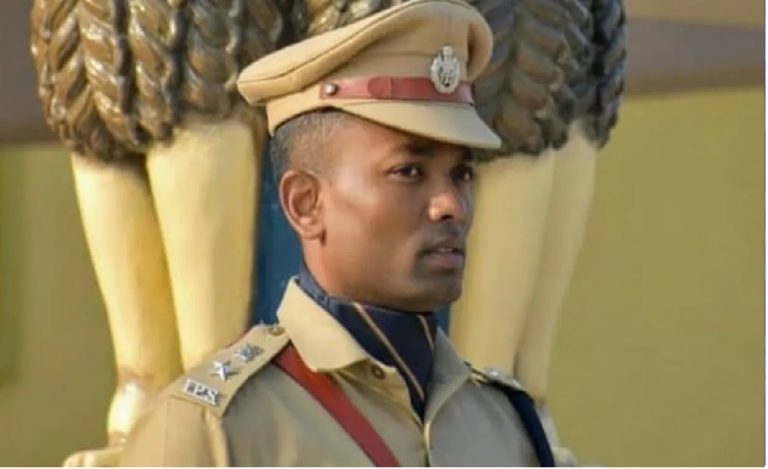
In a significant bureaucratic dispute, two senior IPS officers from Uttarakhand – Neeru Garg and Arun Mohan Joshi – have moved to the Central Administrative Tribunal contesting their central deputation orders. The move comes after the Uttarakhand High Court advised the officers to approach the Tribunal following a dispute over transfers that they claim were imposed against their will and resulted in a lower-ranking posting.
Officers Argue Deputation Demoted Them
Neeru Garg and Arun Mohan Joshi, both serving as Inspectors General (IG) in Uttarakhand, were directed to take up postings in central paramilitary forces:
- Neeru Garg to the Indo-Tibetan Border Police (ITBP)
- Arun Mohan Joshi to the Border Security Force (BSF)
However, the deputation orders reduced their rank to Deputy Inspector General (DIG), effectively lowering their official status. The officers argued that they neither requested nor consented to the transfer.
Controversy Over State Exemption
The deputation stirred controversy because both officers had previously received exemptions from central postings. Despite this, the Uttarakhand state government forwarded their names to the Ministry of Home Affairs, prompting the transfer orders.
The officers claim the action violates established norms of service, including rights under the Administrative Tribunals Act, which governs grievances of central and state service officers.
High Court Advises Central Administrative Tribunal Filing
The Uttarakhand High Court, while hearing the matter, directed that the officers withdraw their petition from the High Court and pursue their dispute through the Central Administrative Tribunal. The HC clarified that the CAT is the proper forum for service-related disputes of this nature.
This step ensures that the officers’ challenge will follow a legally recognized administrative route for resolution, while also maintaining the separation of judicial and administrative oversight.
Implications for Bureaucratic Deputations
The case highlights ongoing tensions between state cadres and central postings, particularly when:
- Officers are transferred to central paramilitary forces without consent
- Deputation orders affect rank and pay
- Prior exemptions are overridden by state or central authorities
Observers note that this matter could set a precedent for other senior officers resisting central deputation that affects rank or career progression.
Next Steps
Neeru Garg and Arun Mohan Joshi are expected to file their petitions with the CAT, arguing:
- Illegal demotion from IG to DIG rank
- Violation of service norms and prior exemptions
- Need for reassessment of forced deputation
The Tribunal’s decision will be closely watched by state cadres and the central government for its implications on future deputation policies.
Read also: UPSC Shortlists 3 IPS Officers for Telangana DGP Post; CV Anand Emerges Front-Runner