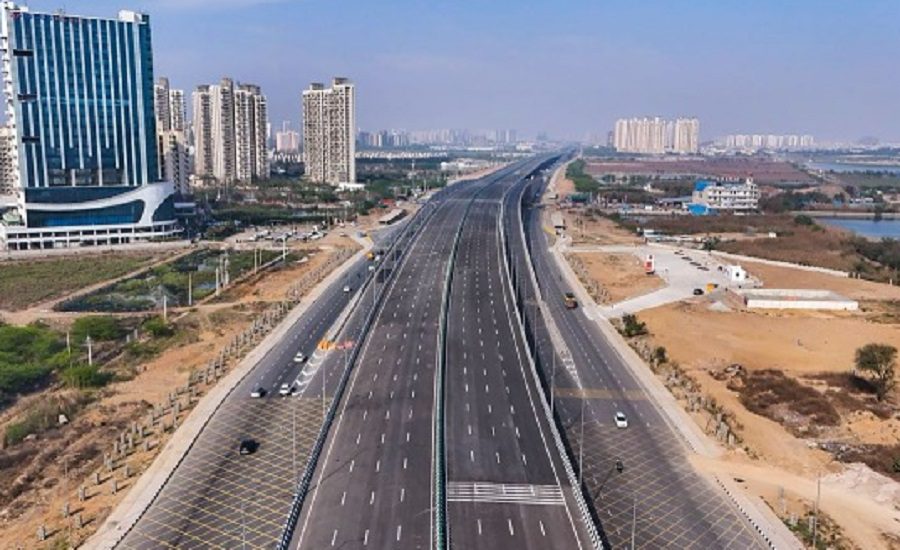
Dehradun: Uttarakhand is set to achieve a modern, safe, and resilient road network by 2026, with the state government focusing on upgrading national and state highways, completing the Char Dham All-Weather Road Project, and improving rural and urban connectivity. The plan emphasizes sustainable, disaster-resilient, and smart infrastructure to enhance travel, tourism, and access to remote regions.
Completion of Char Dham All-Weather Roads
By 2026, the remaining stretches of the Char Dham All-Weather Road Project are expected to be finalized, with a strong focus on durability and safety. Measures such as slope stabilization in landslide-prone areas, improved drainage systems, and tunnel-based solutions in selected locations will be implemented. Additionally, feeder routes connecting villages to the Char Dham will be upgraded to national standards to ensure uninterrupted and safe access, reducing both travel time and accidents.
Upgradation of National Highways
The state will accelerate the expansion and quality improvement of national highways. The Dehradun-Paonta Sahib National Highway is progressing toward four-laning, which will enhance connectivity from Dehradun to Himachal Pradesh and industrial hubs. On the Rishikesh-Badrinath route, new bypasses, bridges, and parking hubs are planned, while the Rudraprayag-Gaurikund route will see multi-level parking, enhanced road safety measures, and passenger facilities for pilgrims.
State Highways Expansion and Safety Improvements
Key state highways are also set for widening, reconstruction, and safety enhancements. Major routes including Dehradun-Mussoorie, Haldwani-Nainital, Kotdwar-Pauri, Srinagar-Gopeshwar, and Chamba-Tehri will undergo upgrades. Infrastructure improvements such as viewpoints, crash barriers, reflectors, and better drainage systems will help reduce congestion and accidents during peak tourist seasons.
Strengthening Rural Connectivity
The Pradhan Mantri Gram Sadak Yojana (PMGSY) will play a major role in improving rural connectivity by 2026. Efforts will focus on connecting remote and underserved villages with all-weather roads, upgrading old rural roads, and constructing small bridges and culverts. Linking rural roads directly to state and national highways will improve access to markets, health services, and education for village communities.
Urban Roads, Flyovers, and Ring Roads
Urban mobility will also see significant improvements. In Dehradun, work on new flyover sections and ring roads is expected to continue, while industrial corridors such as Haridwar-Rudki and bypasses in Haldwani will help reduce city traffic congestion. Smart traffic signals, wider sidewalks, and pedestrian-friendly road designs are planned to enhance urban mobility and safety.
Focus on Disaster-Resilient and Sustainable Roads
Across the state, road construction projects will prioritize disaster resilience and sustainability, ensuring that infrastructure can withstand landslides, floods, and extreme weather. The integrated approach aims to improve travel efficiency, safety, and tourism potential while supporting economic growth in border and rural areas.
Uttarakhand’s comprehensive roadmap for 2026 reflects the government’s commitment to a modern, safe, and inclusive road network, integrating national and state highways, rural connectivity, and urban transport solutions for the benefit of citizens and tourists alike.
Read also: Uttarakhand CM Pushkar Singh Dhami Calls VB-GRAMG Act a Historic Reform for Rural Employment